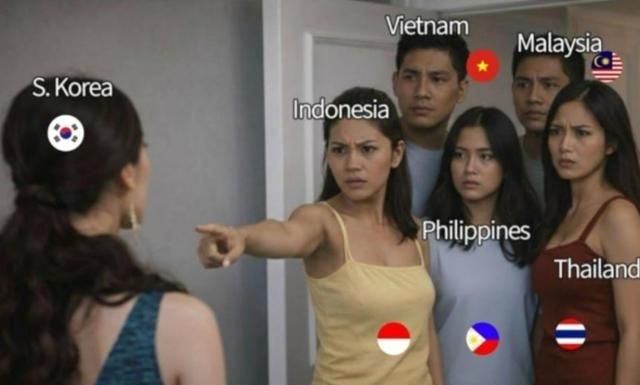
A wave of online tension is building ahead of K-pop group Seventeen’s upcoming concert in the Philippines on March 21st, as a dispute between fans in Southeast Asia and South Korea escalates. What began as criticism of concert etiquette has spiraled into broader accusations of cultural insensitivity and even alleged racism, prompting calls for boycotts and raising concerns about the group’s performance at the Philippine Sports Stadium in Bulacan. The situation highlights the complexities of K-pop’s global reach and the potential for online conflicts to spill into real-world events.
The current friction stems from incidents that began in January, following a Day6 concert in Malaysia. Reports indicate that some Malaysian fans posted photos of the band members online, accompanied by critical comments about their appearance. This sparked a backlash from Korean fans, who responded with posts perceived as disparaging towards Southeast Asian fans’ appearance and culture. The conflict quickly broadened to include fans from Vietnam and Thailand, with accusations of South Koreans being “addicted to plastic surgery” fueling the fire. The dispute has evolved into a larger “Korea versus Southeast Asia” dynamic, playing out across social media platforms.
The Rise of ‘SEAbling’ and Calls for Boycotts
The online conflict has manifested in increasingly visible ways, including a growing boycott movement targeting K-pop and Korean products in Southeast Asia. Fans are uniting under the hashtag “SEAbling,” a portmanteau of “Southeast Asia” and “sibling,” to demonstrate solidarity and push back against perceived Korean arrogance. This hashtag represents a coordinated effort to amplify Southeast Asian voices and challenge what they see as unfair criticism.
Illustrative examples of this discontent are circulating online. One Indonesian user posted a video to social media showing a K-pop album photocard being cut with scissors, a symbolic act of protest. In the Philippines, a social media account with over 40,000 followers shared a video stating, “Don’t travel to Korea. There’s nothing to see there. It just feels like a province of Japan, and the people are all racist and will treat you like a monkey.” The post garnered over 660,000 views. Another Filipino account called for a ban on cameras and cards at the Seventeen concert, urging Korean fans to stay away from the venue and even avoid entering the Philippines. These examples, while representing a vocal minority, demonstrate the intensity of the negative sentiment.
Seventeen’s Tour Continues Amidst Rising Tensions
Despite the escalating online conflict, Seventeen is proceeding with its ‘SEVENTEEN WORLD TOUR [NEW] IN ASIA.’ The group is scheduled to perform at the Philippine Sports Stadium on March 21st, following successful shows in Bangkok, Thailand, on March 14th and 15th, as reported by Sports Kyunghyang. They will then conclude their seven-month world tour with encore concerts at the Incheon Asiad Main Stadium in South Korea on April 4th and 5th. The group has been lauded for their live performances, with CNA Lifestyle stating that their concerts “showed once again why they are still considered the strongest in K-pop live performances.”
Seventeen’s success is underscored by their status as the first K-pop artist to hold consecutive solo concerts in the Philippines, solidifying their position as a “global top-tier artist,” according to KBS World. The Philippine Sports Stadium will be hosting the group for the third year in a row, beginning in 2024.
The Broader Context of K-Pop and Cultural Exchange
This incident isn’t isolated. It reflects a growing awareness of cultural sensitivities within the K-pop fandom and the challenges of navigating international fanbases. K-pop’s global popularity has led to increased interaction between fans from diverse backgrounds, and with that comes the potential for misunderstandings and conflicts. The issue of “sasaeng” fans – those who engage in obsessive and intrusive behavior towards idols – also plays a role, as the original post referencing potential detention of such fans suggests. While the claim about potential detention requires independent verification from Philippine authorities, it highlights the concerns surrounding fan behavior and security at concerts.
The current situation also touches upon broader issues of cultural appropriation and representation. Some critics argue that K-pop, while embracing global influences, sometimes fails to adequately acknowledge or respect the cultures it draws from. This can lead to feelings of resentment and marginalization among fans from those cultures. The accusations of racism leveled against some Korean fans underscore the demand for greater cultural awareness and sensitivity within the K-pop community.
What Happens Next?
As Seventeen prepares to take the stage in the Philippines, the situation remains fluid. It is unclear whether the boycott movement will significantly impact concert attendance, but the online discourse suggests a heightened level of scrutiny and potential protest. The concert will be closely watched, not only by fans but also by industry observers, as a test case for managing cultural sensitivities in the age of globalized K-pop. The next major event will be the encore concerts in Incheon on April 4th and 5th, which will provide an opportunity to assess whether the tensions have subsided or continue to simmer.
The long-term implications of this conflict remain to be seen. However, it serves as a stark reminder of the importance of fostering mutual respect and understanding within the K-pop fandom and beyond. Addressing the underlying issues of cultural sensitivity and representation will be crucial for ensuring the continued success and sustainability of K-pop’s global reach.
We will continue to monitor the situation and provide updates as they become available. Share your thoughts on this developing story in the comments below.
Keep reading