The Silent Toll of Stress: How Anxiety & Insomnia Weaken Your Natural Defenses
(Updated December 15, 2023) – In today’s relentlessly paced world, stress, anxiety, and sleep deprivation are becoming all to common. But beyond the immediate feelings of overwhelm and fatigue, these conditions are quietly impacting a critical component of your health: your immune system. Specifically, emerging research highlights a concerning link between anxiety, insomnia, and a decline in Natural Killer (NK) cell activity – your body’s first line of defense against illness.
As a content strategist specializing in health and wellness, I’ve been closely following the growing body of evidence demonstrating the profound connection between mental and physical wellbeing. This article delves into the science behind this connection, exploring recent findings and offering insights into how to protect your immune health in the face of modern stressors.
What are Natural Killer (NK) Cells and Why Do They Matter?
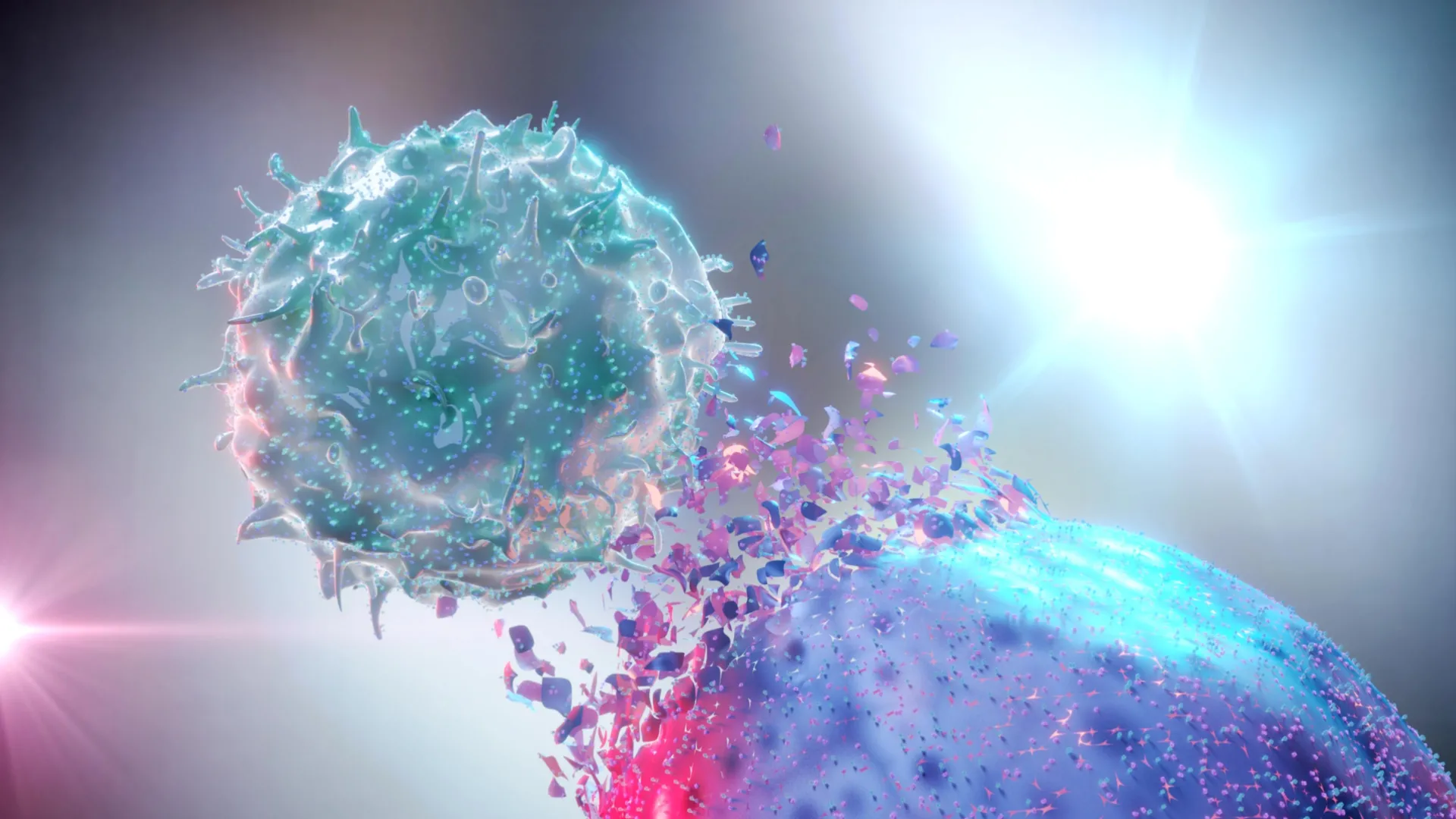
Natural Killer cells are a type of cytotoxic lymphocyte – a specialized white blood cell – crucial for innate immunity.Think of them as your body’s rapid response team. Unlike other immune cells that need to be “trained” to recognize specific threats, NK cells are always on patrol, identifying and eliminating:
* Virally infected cells: Preventing viruses from replicating and spreading.
* Cancer cells: Detecting and destroying early-stage cancerous growths.
* Damaged cells: removing cells that are malfunctioning or pose a threat.
* Foreign materials: Targeting and neutralizing harmful invaders.
These cells circulate throughout the bloodstream and reside in tissues, constantly monitoring for abnormalities. A healthy NK cell count and robust activity are vital for maintaining immune competence and preventing illness. When NK cell numbers dwindle, your body becomes more vulnerable to infections, chronic diseases, and even certain cancers.
New Research Links Anxiety & Insomnia to Reduced NK Cell Activity
A recent study published in Frontiers in Immunology by researchers at Taibah University in Saudi Arabia sheds light on the specific impact of anxiety and insomnia on NK cell levels in young women. The study, led by Dr. Renad Alhamawi, an assistant professor of immunology and immunotherapy, revealed a meaningful correlation between these psychological stressors and immune function.
The research involved 60 female students aged 17-23. Participants completed detailed questionnaires assessing anxiety and insomnia symptoms, and blood samples where analyzed to measure NK cell populations. The findings were striking:
* insomnia & NK Cell Decline: Students reporting insomnia symptoms exhibited a decrease in both the total number and percentage of NK cells, including key subtypes.
* Anxiety & Circulating NK Cells: Students experiencing anxiety symptoms also showed a reduction in circulating NK cells and their subtypes compared to their symptom-free peers. Importantly, the severity of anxiety directly correlated with the degree of NK cell reduction. Moderate to severe anxiety resulted in a more pronounced decrease than mild symptoms.
* The Interplay: Interestingly, higher anxiety scores were observed in students with insomnia, further contributing to a lower proportion of peripheral NK cells.
understanding the NK Cell Subtypes
To fully grasp the implications of these findings,it’s crucial to understand the two main subtypes of NK cells:
* CD16+CD56dim NK Cells: These are the most abundant type,representing the majority of NK cells in circulation. They are highly cytotoxic, meaning they directly kill infected or cancerous cells.
* CD16+CD56high NK Cells: Less common, these cells play a crucial role in immunoregulation – releasing chemical messengers that coordinate and fine-tune the immune response.
both subtypes are essential for a well-functioning immune system, and a decline in either can compromise your body’s defenses.
Why Does This Matter? The Consequences of a Weakened Immune System
A compromised NK cell response has far-reaching implications for your health.Reduced NK cell activity is linked to:
* Increased susceptibility to infections: From common colds to more serious viral illnesses.
* Elevated cancer risk: A weakened ability to detect and eliminate early-stage cancer cells.
* Chronic inflammation: Contributing to a range of chronic diseases.
* Mental health challenges: Emerging research suggests a bidirectional relationship between immune dysfunction and conditions like depression.
As Dr. Alhamawi explains, “Understanding how these psychological stressors influence the distribution and activity of immune cells…may provide valuable insights into the mechanisms underlying inflammation and tumorigenesis.”
Limitations & Future Research
While this study provides valuable insights,it’s critically important to acknowledge its limitations. The research focused solely on young female students, a demographic experiencing a disproportionate rise in anxiety and sleep problems. Further research is needed to determine if these findings apply to a broader population, including different age groups, sexes, and geographic locations.
Protecting Your Immune Health: Lifestyle Strategies
The good news is that you can take
Keep reading