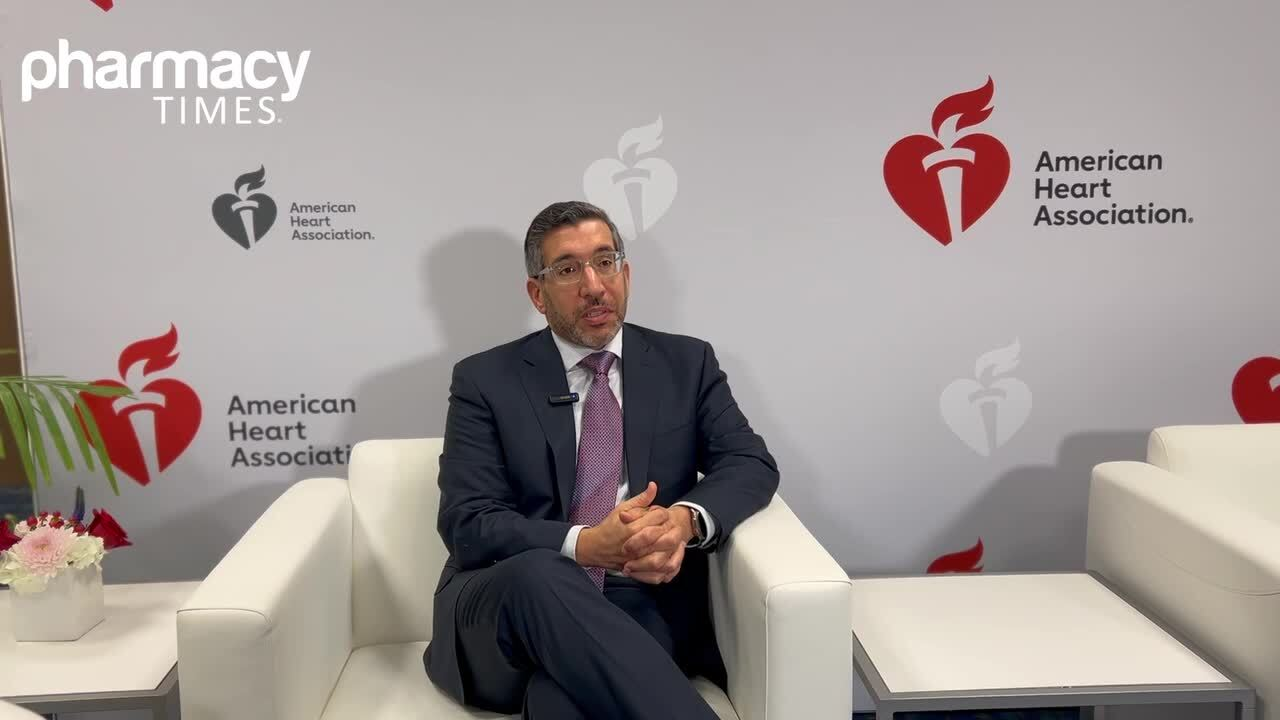
Decoding the Silent Threat: Understanding & Addressing Aortic Stenosis & Valvular Heart Disease
Are you noticing subtle changes in your energy levels, or is a loved one experiencing a gradual decline in their ability too keep up with daily activities? It’s easy to dismiss these as simply “signs of aging,” but they could be indicators of a serious, often overlooked heart condition: aortic stenosis or other forms of valvular heart disease. This article delves into the growing concern of these conditions, the importance of proactive evaluation, and the exciting advancements being made to improve patient outcomes – particularly through initiatives like the Target: AS programme and hospital certification.
The Rising Tide of Valvular Heart Disease: A Silent Epidemic
Valvular heart disease, encompassing conditions like aortic stenosis, mitral regurgitation, and tricuspid stenosis, affects millions worldwide.Its prevalence is dramatically increasing, largely due to the aging global population. Recent data from the American Heart Association estimates that over 12.3 million Americans have some form of valvular heart disease, and this number is projected to rise substantially in the coming decades. https://www.heart.org/en/about-us/heart-valve-disease
Aortic stenosis, a narrowing of the aortic valve, is particularly concerning. It restricts blood flow from the heart to the aorta, forcing the heart to work harder. Initially, the heart can compensate, leading to a lack of obvious symptoms.This is where the danger lies – the condition can progress silently for years, significantly impacting quality of life and perhaps leading to heart failure or even sudden cardiac death.
Beyond “Just Getting Old”: Recognizing the Subtle Signs
The challenge in diagnosing valvular heart disease, especially in older adults, lies in differentiating symptoms from the natural effects of aging. Many patients,and even their spouses,attribute a gradual decline in functional capacity to simply “getting older.” However,a key indicator is the pace of decline.
“Aging is not usually associated with a rapid decline in functional capacity over a month or two,” explains Sammy Elmariah, MD, MPH, FAHA, a leading expert in valvular heart disease. “When those sorts of subtle changes start to happen, you really have to pay attention, think about what is wrong, and get evaluated.”
These subtle changes can include:
* Fatigue: Feeling unusually tired, even after adequate rest.
* Shortness of Breath: Experiencing breathlessness with exertion, even mild activities like walking or climbing stairs.
* Chest pain (Angina): Discomfort or pressure in the chest, often triggered by activity.
* Dizziness or Fainting: Feeling lightheaded or losing consciousness, particularly during exercise.
* Swelling in Ankles and Feet: Fluid retention due to the heart’s inability to pump efficiently.
It’s crucial for healthcare professionals to actively inquire about these subtle changes, especially in patients over 65, and to consider valvular heart disease as a potential cause. A thorough evaluation, including an echocardiogram, can accurately diagnose the condition.
The Target: AS Initiative & Hospital Certification: A New Era of Quality Care
Recognizing the need for improved awareness and standardized care, the Target: AS initiative has gained significant momentum. this program, and the subsequent progress of hospital certification programs, aims to address critical gaps in the diagnosis and treatment of aortic stenosis.
Dr. Elmariah emphasizes the power of self-assessment: “What it is hopefully going to do…is allow hospitals to learn how they are actually doing, wich may be surprising, as few hospitals actually recognize their performance.” The certification process provides a framework for hospitals to evaluate their current practices, identify areas for improvement, and ultimately deliver higher-quality care.
this isn’t simply about achieving a certification; it’s about fostering a culture of continuous improvement. The “carrot” of certification encourages centers to actively strive for better outcomes, benefiting patients through more accurate diagnoses, timely interventions, and optimized post-operative care. the initiative also focuses on identifying and overcoming barriers to care, ensuring equitable access to treatment for all patients.
Proactive evaluation: Who is at Risk?
While anyone can develop valvular heart disease, certain individuals are at higher risk:
* Older Adults: Age is the most significant risk factor.
* Individuals with a History of Rheumatic Fever: This inflammatory condition can damage heart valves.
* People with congenital Heart Defects: Structural abnormalities present at birth can lead to valve problems.
* Those with High Blood Pressure or Cholesterol: These conditions can accelerate valve degeneration.
* Individuals with Diabetes: Diabetes increases the risk of
Keep reading