Sudan’s maternal Health Crisis Deepens as conflict Rages On
The ongoing conflict in Sudan has created a catastrophic humanitarian crisis, with pregnant women and new mothers bearing a disproportionate burden. Recent events, particularly the attack on the last functioning maternity hospital in el-Fasher, underscore the rapidly deteriorating conditions and the urgent need for international attention. This article will detail the harrowing realities faced by Sudanese women and explore the escalating threats to maternal health.
The Devastating Attack on el-Fasher Maternity Hospital
Reports indicate a horrific assault on the maternity hospital in el-Fasher,resulting in the deaths of approximately 460 patients and their caregivers. This attack effectively eliminated the sole remaining source of vital maternal care in the region. Consequently,over 6,000 pregnant women now lack access to the life-saving services they desperately need.
The violence has triggered a mass exodus, forcing tens of thousands to flee their homes in search of safety. Many are embarking on risky journeys toward already overcrowded displacement camps.
Personal Stories of Loss and Resilience
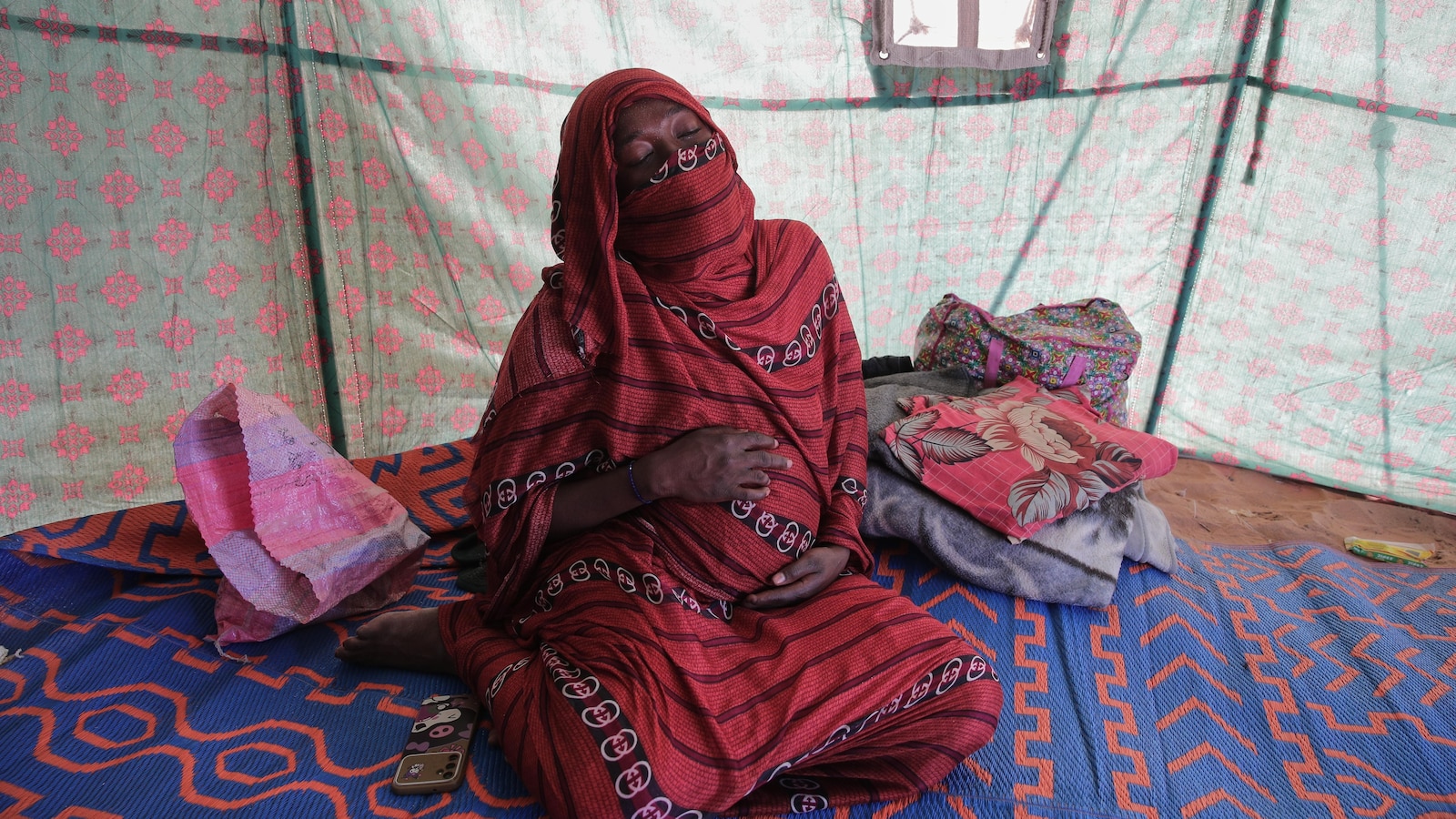
Rasha Ahmed, eight months pregnant, recently arrived in Tawila, a town 60 kilometers west of el-Fasher, with a heartbreaking story. She shared with the International Committee of the Red Cross that her husband is missing after their home was struck by shelling.
“I have arrived heavily pregnant,and I don’t have anything to help me after giving birth – nothing for my postpartum period,” ahmed stated,revealing the immense challenges ahead.Tragically, she also sustained a partial injury to her ear during the shelling.
Ahmed’s experience is not unique. The Rapid Support Forces (RSF) are accused of confiscating belongings, leaving families with nothing as they flee.She recounts how even basic necessities like bed sheets were denied to those escaping the violence.
Widespread Malnutrition and its Impact
Currently, more than 100 pregnant women have sought refuge in Tawila, according to Sudan’s Doctors Network.However, the challenges extend beyond simply finding shelter. Pregnant and lactating women are facing alarming rates of malnutrition across the country as food insecurity continues to rise.
Doctors Without Borders examined 66 pregnant or lactating women arriving in Tawila between October 27th and November 3rd. A staggering 60% were found to be suffering from global acute malnutrition.
Across Sudan, nearly 74% of women do not receive the minimum recommended dietary diversity. This deficiency severely impacts both maternal and child health. desperate for sustenance, women are resorting to foraging for wild plants, exposing themselves to increased risks of violence, including abduction and sexual assault, as highlighted by the United Nations.
The Broader Context of the Sudanese Conflict
The current war began in 2023,stemming from escalating tensions between the RSF and the Sudanese military. These two former allies were initially tasked with overseeing a transition to democracy following the 2019 uprising.
The fighting has already claimed the lives of at least 40,000 people, and displaced 12 million more, according to the World Health Association. However, aid organizations believe the actual death toll is substantially higher.
What You Can Do:
* Stay Informed: Continue to follow reliable news sources for updates on the situation in Sudan.
* Support Humanitarian Organizations: Consider donating to organizations providing aid to Sudanese women and families.(Doctors Without Borders, International Committee of the Red cross, Sudan’s Doctors Network)
* Advocate for Action: Contact yoru elected officials and urge them to prioritize diplomatic efforts and humanitarian assistance for Sudan.
The situation in Sudan demands immediate and sustained attention. Protecting the health and well-being of pregnant women and new mothers is not only a humanitarian imperative but also crucial for the future of the nation.
Related reading