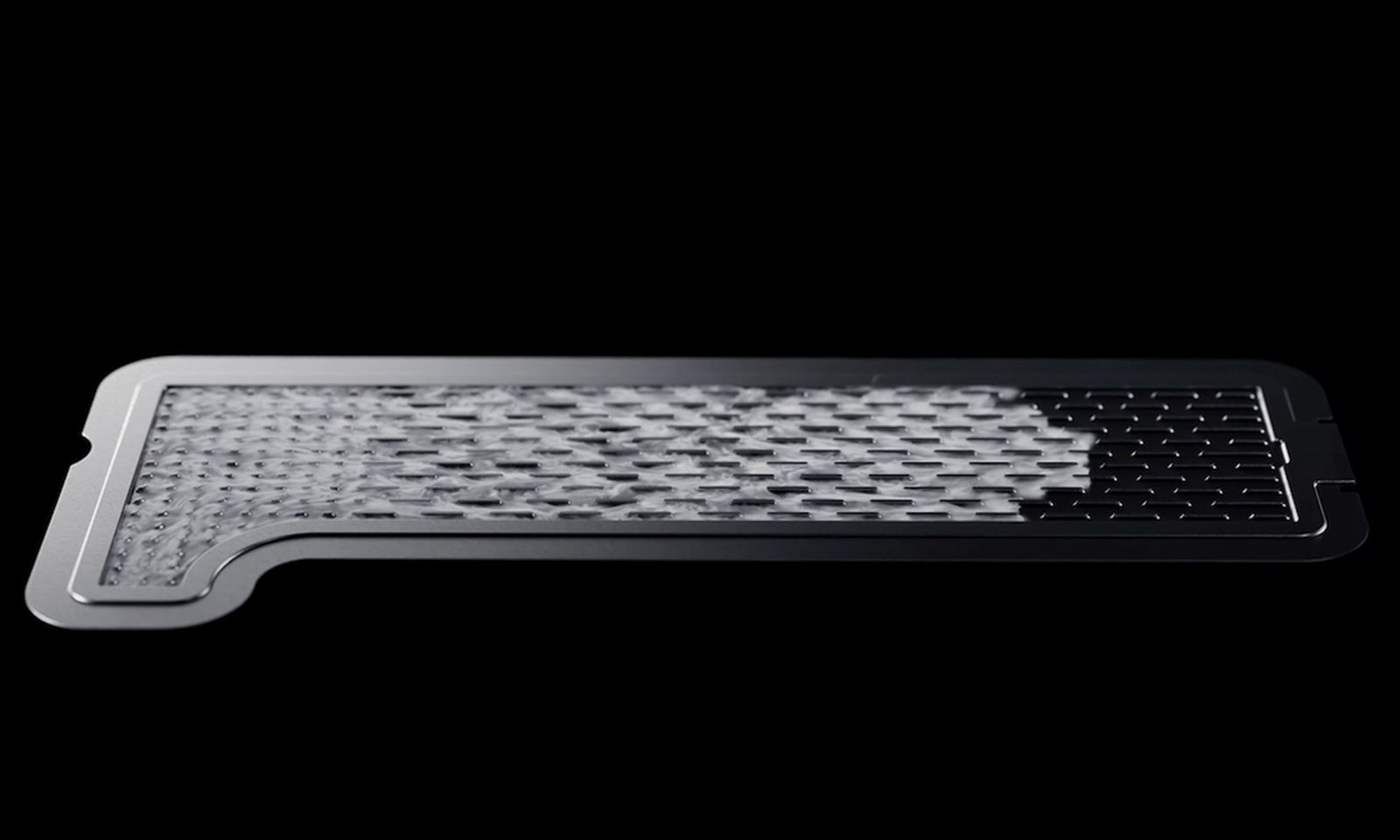
Apple has reportedly scaled up its procurement of vapor chamber cooling components in anticipation of future high-performance iPhone models, including potential “Ultra” branding and commemorative devices. This shift in thermal management strategy suggests a move to accommodate more powerful silicon and increased processing demands in upcoming hardware iterations, according to industry reports tracking supply chain activity.
The integration of vapor chamber technology—a specialized cooling mechanism designed to dissipate heat more efficiently than traditional graphite sheets—marks a significant departure from standard iPhone thermal architectures. While Apple has historically relied on localized heat spreaders, the move to vapor chambers indicates a design priority shift as the company pushes the performance limits of its A-series and Pro-branded chips. These cooling solutions are increasingly necessary to prevent thermal throttling, which can degrade performance during intensive tasks like high-fidelity gaming, on-device artificial intelligence processing, or sustained video rendering.
Thermal Management in Future Hardware
The reported increase in orders for these thermal components aligns with broader industry speculation regarding an “iPhone Ultra” tier, a hypothetical top-of-the-line model that would sit above the current Pro and Pro Max lineup. By incorporating vapor chambers, Apple aims to maintain peak clock speeds for longer durations, a critical requirement for devices marketed toward power users and creative professionals. Such hardware adjustments are consistent with Apple’s internal testing protocols for devices requiring advanced thermal headroom, as noted in supply chain analysis provided by firms like DigiTimes.

Furthermore, the focus on these components extends to plans for upcoming milestone releases. Industry analysts have pointed to the 20th anniversary of the iPhone—which will occur in 2027—as a potential window for a significant hardware overhaul. The procurement of specialized cooling hardware suggests that Apple is already in the prototyping phase for these future devices, ensuring that internal space and thermal dissipation are optimized well in advance of mass production cycles.
Industry Context and Silicon Evolution
Apple’s move to sophisticated cooling reflects a wider trend in the smartphone sector, where competition is increasingly defined by raw computational power. As mobile processors approach the performance metrics of traditional laptop silicon, thermal management becomes the primary bottleneck for sustained output. According to data from Apple’s official hardware specifications, modern devices like the iPhone 16 Pro already utilize advanced thermal sub-systems, but the transition to vapor chamber technology represents a more comprehensive approach to heat distribution.

This technical evolution is critical for users who rely on their devices for professional-grade workflows. Without effective heat dissipation, high-performance silicon must reduce its power draw to stay within safe operating temperatures, directly impacting the user experience. By investing in vapor chamber supply chains now, Apple is positioning itself to support more ambitious software features that require sustained, high-intensity hardware utilization.
Strategic Implications for the Supply Chain
The increase in orders for these components also signals Apple’s intent to secure long-term capacity with key suppliers. By scaling up early, the company minimizes the risk of component shortages that often plague the launch of redesigned, high-end hardware. This proactive supply chain management is a hallmark of Apple’s operational strategy, ensuring that when new hardware architectures are finalized, the necessary thermal infrastructure is already at scale.
For consumers, these reports offer a glimpse into the hardware priorities driving Apple’s product development. While the company has not confirmed the existence of an Ultra-branded iPhone, the technical requirements for such a device—namely, enhanced cooling for high-performance chips—are becoming increasingly evident in the company’s manufacturing footprints. As Apple moves closer to its next major product cycles, the performance ceiling of the iPhone will likely be defined as much by its internal cooling as by the efficiency of its custom silicon.

Market observers and hardware enthusiasts should monitor Apple’s upcoming quarterly earnings reports and regulatory filings for further indications of shifts in capital expenditure toward these specialized components. As of now, the company continues its standard development cycle, with no official announcement regarding a specific “Ultra” device release date. Updates on supply chain shifts and component procurement will likely emerge as the company approaches its next major hardware event, typically held in the autumn. Readers are encouraged to share their thoughts on the evolution of mobile thermal management in the comments below.
Related reading