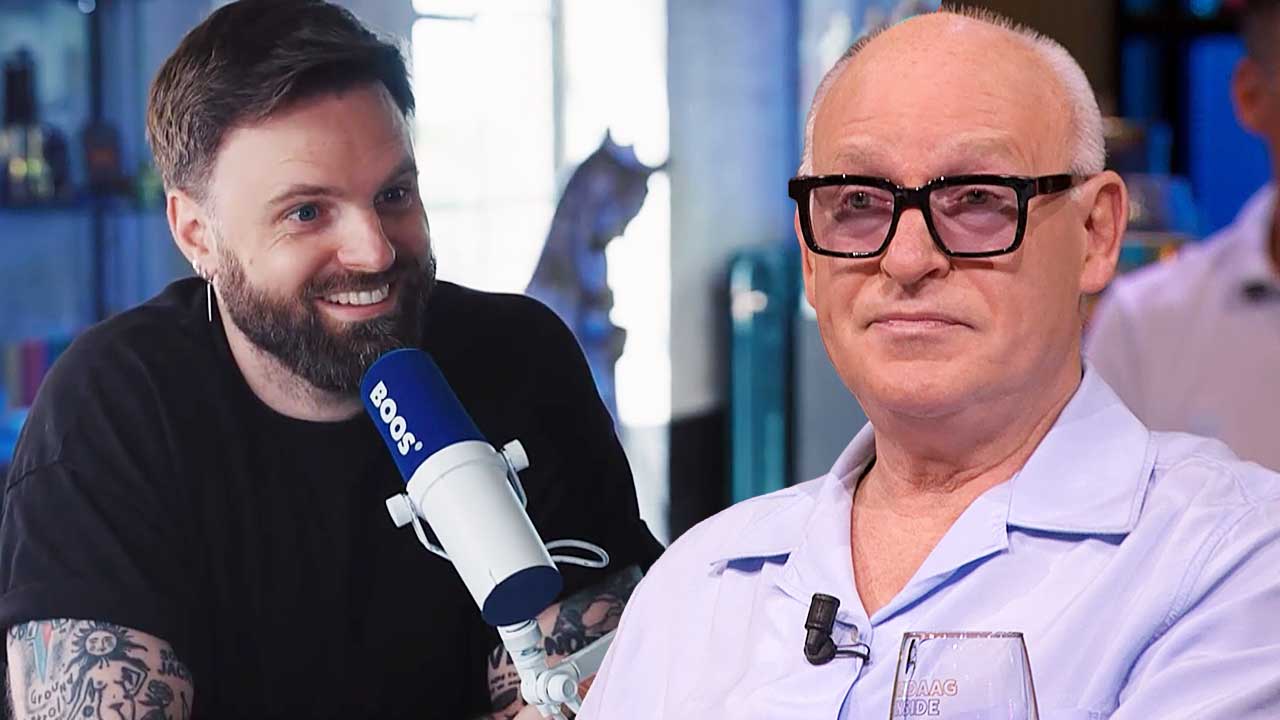
René van der Gijp, a prominent analyst on the Dutch talk show Vandaag Inside (VI), has publicly dismissed the possibility of media personality Tim Hofman appearing as a guest on the program. During a recent broadcast, Van der Gijp stated he was not impressed by Hofman’s work, effectively closing the door on a potential invitation to the long-running talk show, which is broadcast on SBS6.
The comments from Van der Gijp reflect the ongoing tension between different segments of the Dutch media landscape. Vandaag Inside, known for its unfiltered commentary on sports, politics, and current affairs, often finds itself at odds with figures like Hofman, whose investigative work—most notably the program BOOS—frequently targets institutional power structures and media figures. According to reports from various Dutch media monitoring outlets, Van der Gijp’s refusal is rooted in a fundamental disconnect regarding the professional style and public persona Hofman maintains.
The Context of Vandaag Inside and Guest Policy
Vandaag Inside, featuring Van der Gijp alongside Wilfred Genee and Johan Derksen, has maintained a high viewership in the Netherlands for years. The format relies heavily on the chemistry between the three hosts and their willingness to offer provocative opinions. The show’s editorial policy regarding guests has historically been selective, often prioritizing individuals who can engage in the specific, often combative, repartee that defines the program.

Tim Hofman, who rose to prominence through BNNVARA, has built a career on investigative journalism, including his widely publicized expose on the behind-the-scenes culture at The Voice of Holland. This investigative approach stands in stark contrast to the conversational, opinion-driven format of Vandaag Inside. When asked about potential guests, Van der Gijp emphasized a lack of personal or professional affinity for Hofman’s approach, indicating that such a guest would not align with the show’s current dynamic.
Media Reception and Public Discourse
The exchange highlights a broader debate within the Dutch media industry concerning the boundaries of entertainment versus accountability journalism. While Vandaag Inside frequently draws criticism for its blunt approach, it remains a dominant force in ratings. Conversely, Hofman’s projects often receive acclaim for their investigative rigor but are frequently criticized by those who view his methods as performative or overly aggressive.
By stating he is “not impressed,” Van der Gijp effectively signaled that he does not see a constructive role for Hofman within the studio setting of their show. This public rejection is indicative of the polarized nature of Dutch television, where distinct factions of presenters and journalists rarely intersect in collaborative environments. As noted in industry analyses, the refusal to engage with certain figures is a strategic move to maintain the specific brand identity that Vandaag Inside has cultivated over its tenure on television.
What Happens Next
There are no indications that the stance taken by the Vandaag Inside team will change in the near future. The program continues to operate under its established format, with the trio of Genee, Derksen, and Van der Gijp maintaining strict control over their guest list. For viewers and media observers, this development serves as a reminder of the rigid lines drawn between different corners of the media industry.

The next official updates regarding the programming of Vandaag Inside will be provided via the official SBS6 broadcast schedules and the show’s verified social media channels. Readers and fans of the program are encouraged to share their thoughts on the evolving dynamics of Dutch talk shows in the comments section below.
Related reading