
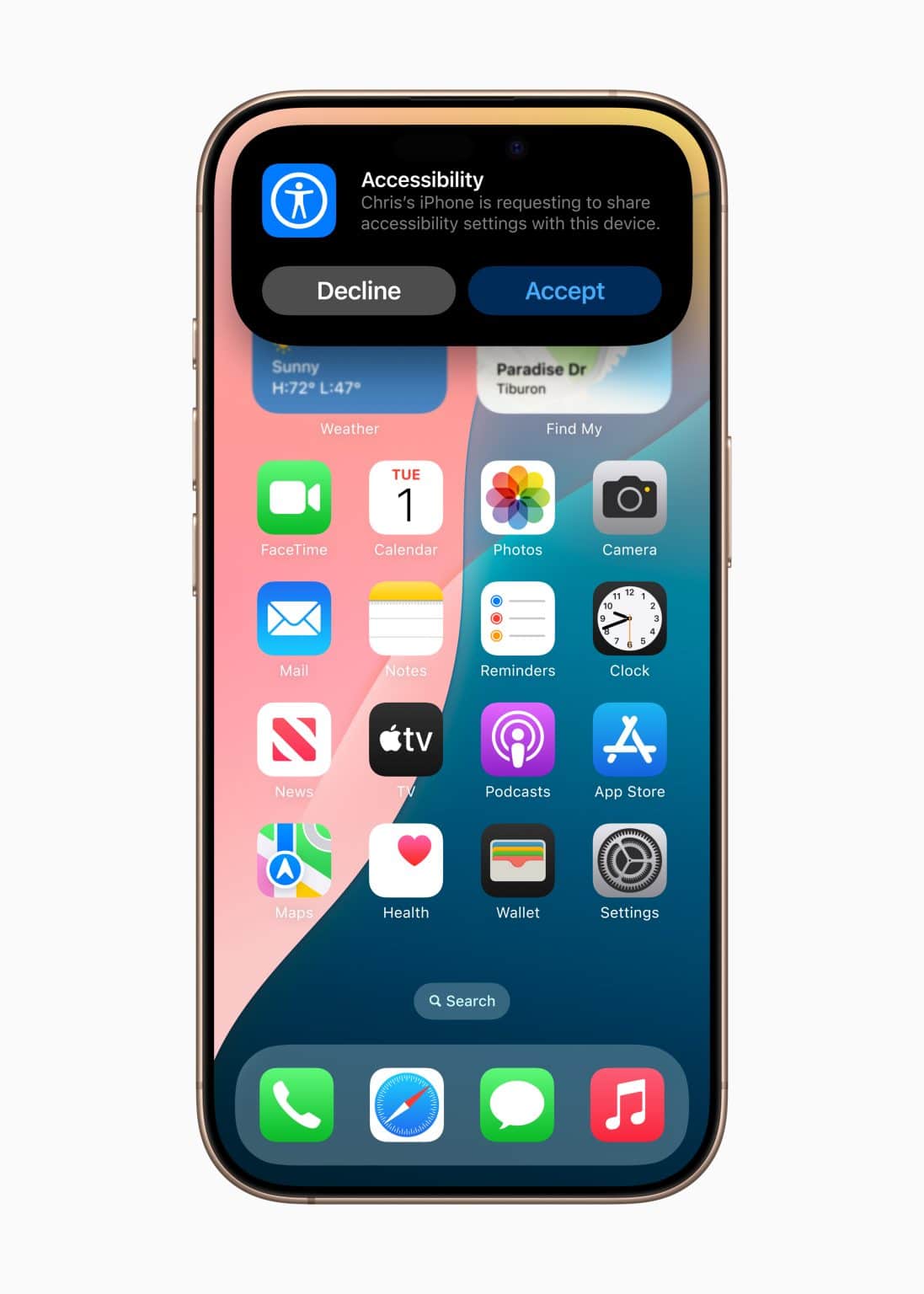
In a significant move to broaden digital inclusion, Apple has unveiled a suite of upcoming accessibility updates that leverage the power of Apple Intelligence. Announced on May 19, 2026, these advancements aim to refine how users interact with their devices, specifically targeting core features such as VoiceOver, Magnifier, Voice Control, and Accessibility Reader. By integrating on-device intelligence, the company is positioning its software to provide more nuanced, natural language navigation and detailed environmental descriptions for users who are blind or have low vision.
The update, which is scheduled for release later this year, represents a strategic shift in how artificial intelligence is applied to assistive technology. According to the official press release from Apple, these features are being developed with a foundational commitment to privacy, ensuring that the processing remains on-device. This approach aims to empower users with greater independence when exploring both their physical surroundings and the digital content displayed on their screens.
Enhancing Daily Navigation and Content Consumption
At the heart of these updates is a more robust version of VoiceOver. With the integration of Apple Intelligence, the screen reader is designed to offer more comprehensive assistance, helping users interpret onscreen images and navigate complex interfaces with greater ease. These enhancements are intended to reduce the friction often associated with digital accessibility, providing a more intuitive experience for those who rely on screen readers for their daily tasks.

the update introduces on-device generated subtitles for uncaptioned video content across the Apple ecosystem. This feature addresses a long-standing challenge for users who are deaf or hard of hearing, ensuring that video content becomes accessible regardless of whether original captions were provided by the content creator. By automating this process locally, Apple is expanding the availability of inclusive media consumption tools.
New Horizons for Apple Vision Pro
Beyond standard mobile and desktop interfaces, Apple is extending its accessibility focus to the Apple Vision Pro. The company announced a new, specialized feature that allows users to control compatible power wheelchairs using only their eyes. This innovation highlights the potential of spatial computing to provide new avenues for mobility and device control, offering a hands-free interaction model that could significantly impact the lives of users with specific motor limitations.
Sarah Herrlinger, Apple’s senior director of Global Accessibility Policy and Initiatives, noted that the accessibility features users rely on daily will become even more powerful through these updates. “Apple’s approach to accessibility is unlike any other,” added CEO Tim Cook, emphasizing the company’s long-standing philosophy of designing products that are accessible from the ground up while maintaining strict privacy standards.
Expanding the Adaptive Ecosystem
Complementing these software advancements, Apple has also focused on physical accessibility hardware. The Hikawa Grip & Stand for iPhone, an adaptive MagSafe accessory, is now available in three new colors on the Apple Store online. Designed with accessibility at its core, this accessory serves as a practical addition to the company’s broader ecosystem of adaptive tools, reflecting a holistic approach that bridges the gap between software intelligence and physical utility.
As the company prepares for the Worldwide Developers Conference (WWDC26), scheduled for June 8–12, 2026, the tech community is watching closely to see how these accessibility features will be integrated into the broader operating system updates. The focus remains on how these tools—ranging from AI-enhanced image descriptions to eye-tracking wheelchair controls—will perform in real-world scenarios once they roll out to the public later this year.
Key Takeaways
- Apple Intelligence Integration: New capabilities for VoiceOver, Magnifier, Voice Control, and Accessibility Reader will provide natural language navigation and detailed descriptions.
- Universal Subtitles: The ecosystem will gain on-device generated subtitles for uncaptioned video content.
- Vision Pro Mobility: New eye-tracking functionality will enable users to control compatible power wheelchairs.
- Privacy Focus: All new AI-powered accessibility features are designed to operate on-device to maintain user privacy.
- Availability: These updates are slated for a general release later in 2026.
For those interested in the latest developments, you can find more information on the Apple Newsroom. We encourage our readers to share their thoughts on how these AI-driven features might impact the future of inclusive technology in the comments section below.
