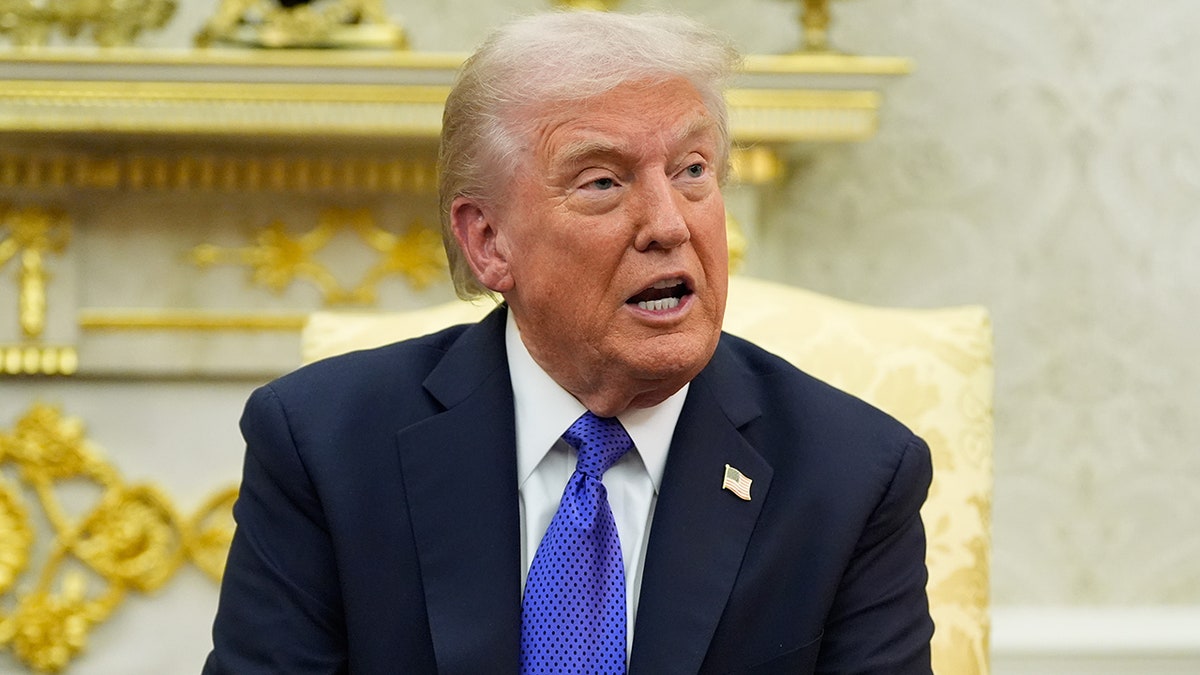
As President Donald Trump navigates the early months of his term, his administration faces a significant legislative challenge that could redefine the boundaries of executive authority. Lawmakers in both the House and Senate are currently weighing measures that would effectively restrict the President’s ability to engage in military actions involving Iran. This growing political friction underscores a broader debate within Congress regarding the constitutional role of the legislative branch in war powers and foreign policy decisions.
The current legislative movement, which has gained momentum in recent days, highlights a potential shift in how Congress approaches oversight of executive-led military operations. While the administration has sought to maintain broad discretion, a bipartisan coalition of lawmakers is increasingly signaling a desire to assert legislative control over the trajectory of potential conflicts in the Middle East. According to reporting from POLITICO, the administration is contending with its first major political test regarding war powers, as votes in the House and Senate have been organized to challenge the President’s current posture.
The Constitutional Debate Over War Powers
At the heart of the current legislative activity is a fundamental disagreement over the War Powers Resolution of 1973. This landmark statute, passed by Congress to check the President’s power to commit the United States to an armed conflict without the consent of the legislative branch, serves as the primary legal framework for the ongoing debates. Lawmakers supporting the current measures argue that any significant military engagement requires explicit congressional authorization, a position that has been reinforced by procedural votes in the Senate to take up measures aimed at curbing the President’s authority to end or escalate the Iran conflict, as noted by The New York Times.
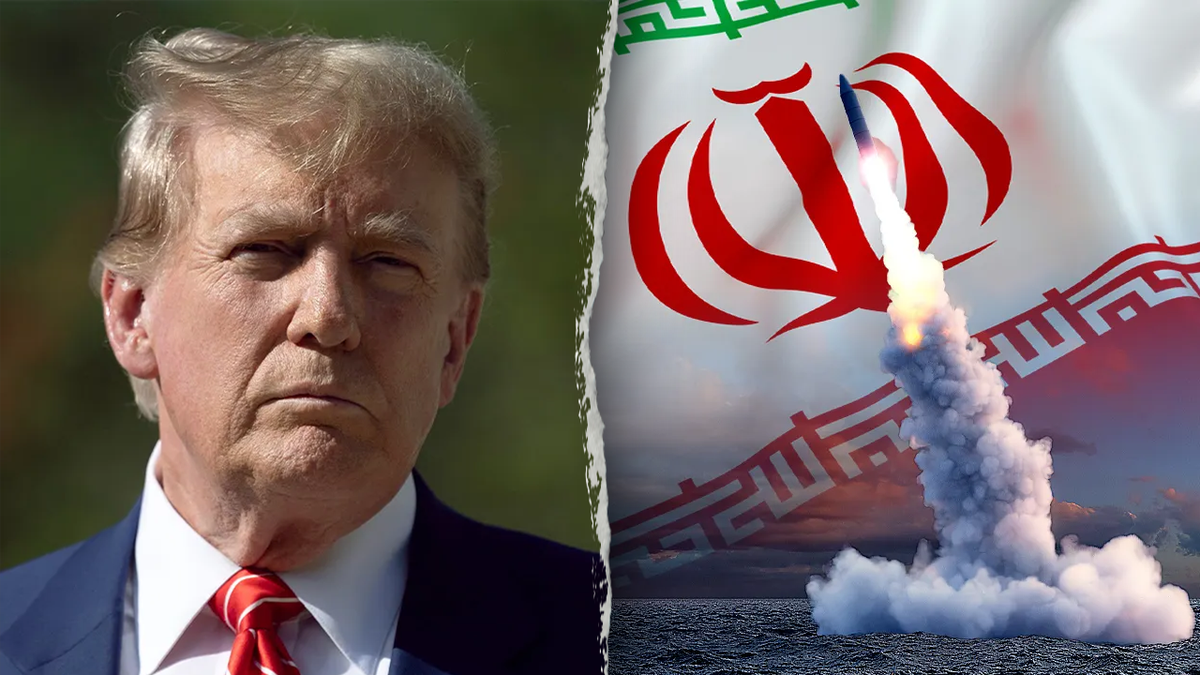
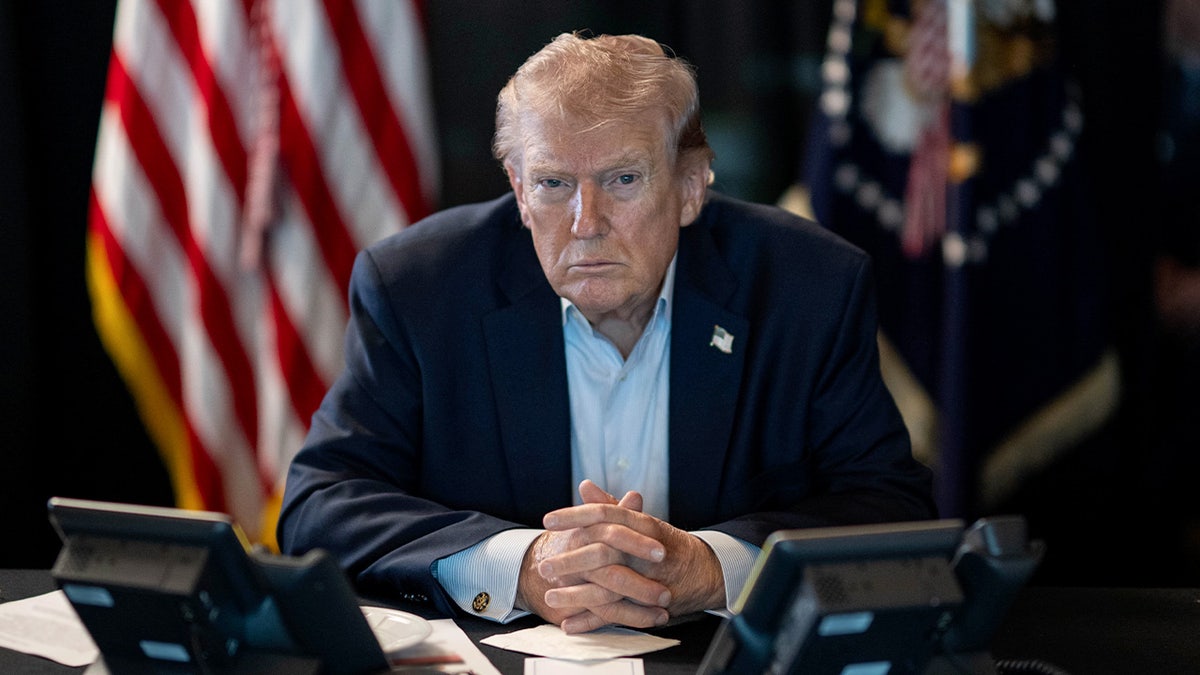
The legislative effort is not merely a partisan endeavor; it reflects a broader coalition of members from both parties who are concerned about the long-term implications of executive overreach. In the House of Representatives, Democratic leaders have expressed hope that these ongoing votes will mark a significant breakthrough in their efforts to exert oversight on foreign policy. The procedural hurdles that have historically protected executive action are now being tested as members of the Senate, including some who have traditionally aligned with the administration, begin to shift their voting patterns on these critical issues.
Shifting Alliances on Capitol Hill
One of the most notable developments in this legislative saga is the changing stance of individual senators who have previously supported the administration. Analysts have pointed to shifts in voting behavior among key figures, such as Senator Bill Cassidy, who has recently demonstrated a willingness to deviate from the administration’s preferred legislative path on issues ranging from foreign policy to domestic matters. This internal friction complicates the White House’s ability to maintain a unified front on key security issues, particularly as the administration seeks to solidify its agenda in a closely divided Congress.
The impact of these legislative maneuvers extends beyond the immediate vote tallies; it signals a potential transformation in the relationship between the executive and legislative branches. If the measures currently under consideration were to pass, they would represent a historic assertion of congressional authority, placing meaningful constraints on the President’s ability to conduct military operations without prior approval. For the international community, these developments are being watched closely, as they suggest that the United States’ foreign policy could be subject to more rigorous domestic scrutiny than in previous years.
Key Takeaways: Understanding the Legislative Landscape
- Congressional Oversight: Lawmakers are utilizing procedural tools to force a debate and vote on the limits of presidential war powers regarding Iran.
- Constitutional Authority: The debate centers on the interpretation of the War Powers Resolution and the necessity of congressional authorization for military engagement.
- Bipartisan Engagement: The movement to challenge executive authority is not limited to one party, with various members of the Senate signaling a shift in their willingness to oppose the administration.
- Legislative Momentum: Recent procedural votes in the Senate have provided a platform for lawmakers to advance measures that would curtail the President’s unilateral military options.
As the situation develops, the focus remains on the upcoming legislative calendar. While the administration continues to advocate for the necessity of executive flexibility, the persistent pressure from Congress suggests that the debate over war powers will remain a central fixture of the political landscape in the coming weeks. The next critical checkpoint will be the final floor votes on the measures currently moving through the committee and procedural stages in both the House and the Senate.

We invite our readers to share their perspectives on the balance of power between the executive and legislative branches. How do you believe Congress should exercise its authority in matters of national security? Join the conversation in the comments section below.
- South Korean Court Sentences Yoon Suk Yeol to Prison Term with Probation Over False Statements
- To Kill a Mockingbird DVD – Starring Gregory Peck (NTSC)
- US Crypto Ownership Drops Despite Trump Push and ETFs (archyworldys.com)
- Trump Ordina Pausa Negli Attacchi Stati Unitesi contro l’Iran (archynewsy.com)