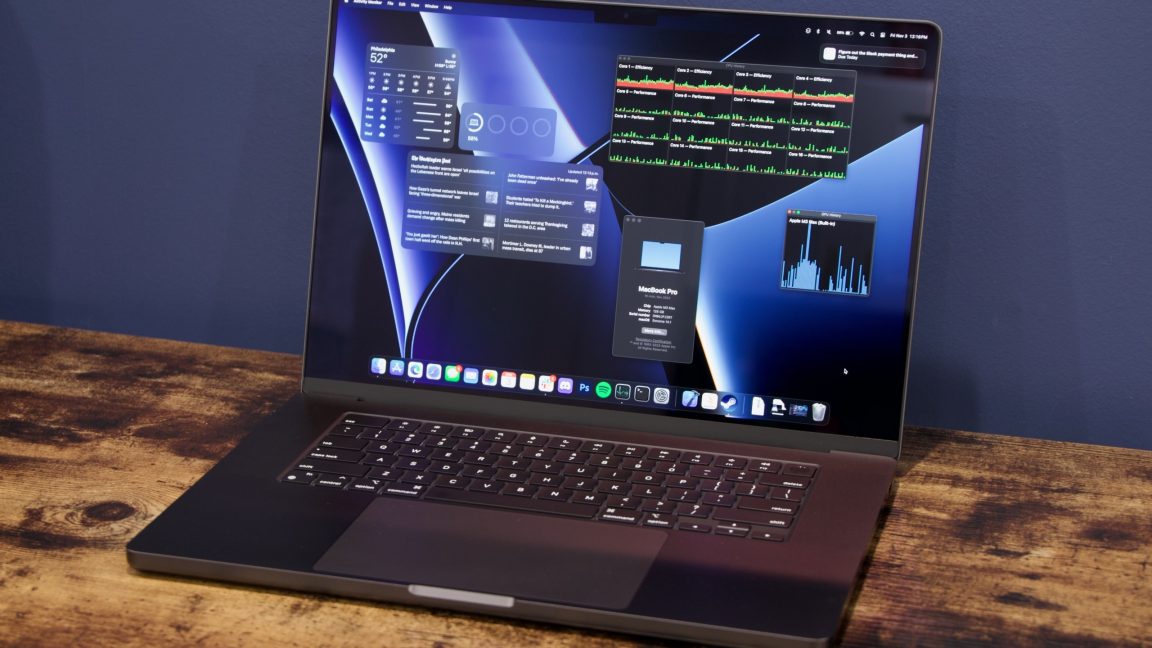
apple Finally Embraces Touchscreen Macs: What you Need to Know
For years, Apple has publicly dismissed the idea of touchscreen Macs. Yet, the rumor mill consistently churns, fueled by credible sources hinting at a change of heart. Now, it appears the shift is finally happening.Are you ready for a new era of Mac interaction?
Recent reports indicate touchscreen MacBook Pros are slated for mass production by late 2026. This isn’t just about adding touch capability; it’s a important overhaul that includes a move to OLED display panels, replacing the current Mini LED technology. Let’s dive into what this means for you and the future of Apple’s laptops.
Why the Change of Heart?
apple’s resistance to touchscreen Macs stemmed from a belief that the form factor didn’t align with the Mac experience. However, several factors seem to have influenced this decision.
* iPad User Behavior: Apple has been closely observing how users interact with their iPads. The increasing popularity of keyboard and trackpad accessories for iPads demonstrates a desire for versatile input methods.
* iPadOS Evolution: The latest iPadOS 26 update further blurs the lines between touch-first and conventional computing. This suggests Apple recognizes the benefits of combining both input styles.
* Market Trends: The Windows PC market has embraced touchscreens since 2012, with devices like microsoft’s Surface line proving their viability. Apple often responds to market trends, albeit on its own timeline.
Essentially, Apple is acknowledging that touch input can enhance the computing experience, and it’s time to bring that functionality to the Mac.
What to Expect: OLED Displays and Beyond
The transition to OLED displays is a crucial part of this update. OLED technology offers several advantages over Mini LED:
* Superior Contrast: OLED delivers true blacks and vibrant colors, resulting in a more immersive visual experience.
* Faster Response Times: This translates to smoother motion and reduced blur, especially noticeable in fast-paced content.
* Improved Power Efficiency: OLED displays can consume less power than Mini LED, possibly extending battery life.
These improvements, combined with touchscreen capabilities, promise a significant upgrade to the MacBook Pro experience. Imagine the creative possibilities for artists, designers, and anyone who benefits from direct manipulation of on-screen elements.
A History of Hesitation
Apple’s journey toward touchscreen Macs hasn’t been straightforward. Executives have repeatedly expressed skepticism, citing concerns about ergonomics and the Mac’s established user interface. However, the company’s willingness to experiment and adapt suggests that these concerns have been addressed.
Remember, Microsoft initially pushed a touch-centric interface with Windows 8, which faced significant backlash. However, the company learned from those mistakes and successfully integrated touch functionality into its Surface devices and subsequent Windows versions. Apple likely aims to avoid similar pitfalls by carefully considering the user experience.
Evergreen Insights: The Future of Mac input
The integration of touchscreens into Macs represents a broader trend toward more versatile and adaptable computing devices. We’re moving beyond the limitations of traditional input methods, embracing a future where you can interact with your devices in the way that best suits your needs.
This shift also raises fascinating questions about the future of macOS. Will Apple develop a new user interface optimized for touch? Will existing mac apps need to be redesigned? These are questions we’ll be exploring in the coming years.
FAQ: Touchscreen Macs – Your questions Answered
1.will all future macbook Pros have touchscreens?
While the initial rollout is expected for the Pro models in late 2026, it’s likely Apple will expand touchscreen functionality to other MacBook lines in subsequent years.
2. what are the benefits of an OLED display on a MacBook Pro?
OLED displays offer superior contrast, faster response times, and potentially improved power efficiency compared to Mini LED, resulting in a more vibrant and responsive visual experience.
3. Has Apple ever considered touchscreen Macs before?
Yes, Apple has explored touchscreen technology for Macs on multiple occasions, but executives have historically expressed reservations about its suitability for the Mac experience.
4.How will touchscreen functionality change the way I use my Mac?
Touchscreens will allow for more direct interaction with applications, enhancing creative workflows and providing a more intuitive user experience for tasks like photo editing, design, and note-taking.
**5. Will existing Mac apps
Worth a look