
In the rapidly evolving landscape of digital audio, speculation has intensified regarding potential shifts in the pricing strategy for Apple Music. As a technology editor who has tracked the trajectory of Cupertino’s services division for nearly a decade, I have observed that Apple frequently evaluates its subscription models to maintain a competitive edge against rivals like Spotify and Amazon Music. Recently, rumors have circulated within industry circles regarding the possibility of a free, ad-supported tier or a more aggressive entry-level pricing structure for the platform.
While Apple has traditionally maintained a premium, subscription-only model for its music service, the pressure to capture a broader global user base remains a significant driver for innovation. Currently, Apple Music operates on a standard tiered subscription system, offering individual, family, and student plans, with pricing typically starting at $10.99 per month for individuals in the United States, according to the official Apple Music support documentation. Unlike its primary competitor, Spotify, which utilizes a “freemium” model, Apple has historically prioritized privacy and user experience over ad-supported revenue streams.
The Evolution of the Streaming Market
The global music streaming market is no longer in its infancy; it is a mature, highly contested arena. According to the International Federation of the Phonographic Industry (IFPI) Global Music Report 2024, streaming revenue continues to dominate the industry, accounting for a significant majority of total recorded music revenue. For Apple, the challenge lies in converting users who are accustomed to free, ad-supported audio experiences into paying subscribers within the walled garden of the Apple ecosystem.
Introducing a lower-cost or free tier would represent a fundamental shift in Apple’s philosophy. Historically, the company has leaned into its “Services” segment, which includes the App Store, iCloud, and Apple Music, to offset hardware sales fluctuations. As noted in the Apple Q2 2024 financial results, services revenue reached an all-time record, underscoring the importance of high-margin subscription models to the company’s fiscal health.
Market Dynamics and Competitive Pressures
Why would Apple consider changing a model that has clearly been lucrative? The answer likely lies in market penetration. While Apple Music remains a dominant force in North America and parts of Europe, emerging markets often favor ad-supported platforms that do not require a recurring monthly commitment. By potentially offering a more accessible entry point, Apple could theoretically increase its total addressable market and strengthen the lock-in effect of its ecosystem.
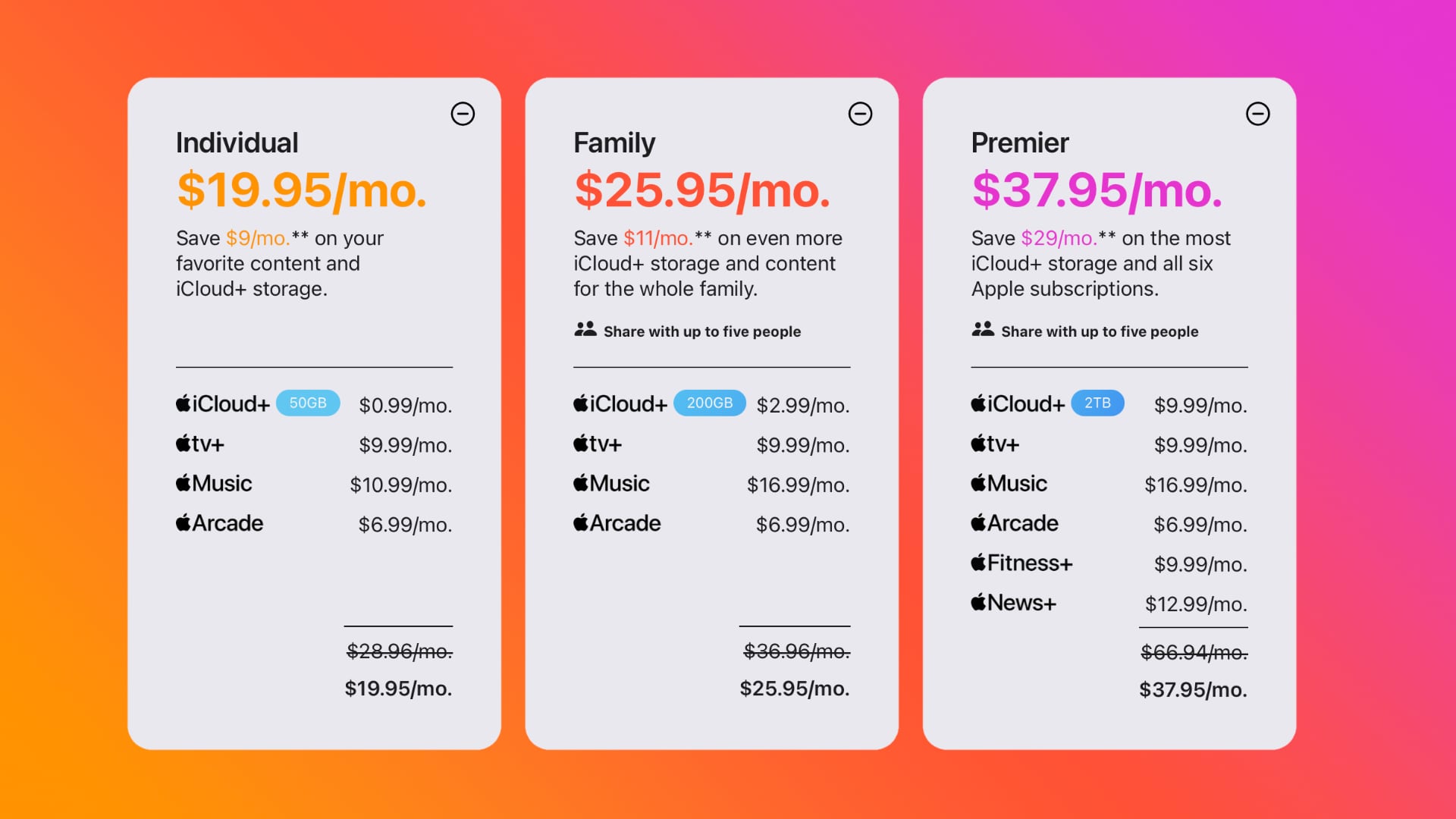
However, industry analysts remain divided on whether a free tier aligns with Apple’s brand positioning. The company has long marketed its subscription services—including Apple Music, Apple TV+, and Apple Arcade—as premium, ad-free experiences that respect user privacy. Any move to introduce an ad-supported tier would require a delicate balance to avoid diluting the brand’s value proposition. The complexities of music licensing and royalty payments mean that a free tier is not merely a technical change, but a significant legal and financial negotiation with major record labels and independent distributors.
What So for the User
For the average listener, the current status remains unchanged. Apple Music continues to offer a high-fidelity, spatial audio experience that differentiates it from lower-quality competitors. If Apple were to experiment with a lower-cost tier, it would likely be introduced as a regional pilot program or a limited-feature offering, rather than a global overhaul. This strategy aligns with Apple’s historical approach to testing new services, such as the initial limited rollout of various Apple Pay features or regional Apple News+ availability.
Readers should remain cautious of speculation regarding “free” tiers. Apple has not issued any official statement or regulatory filing indicating a move away from its subscription-first model. In the technology industry, patents and leaked code snippets—often the source of such rumors—are frequently indicative of internal experimentation rather than a confirmed product roadmap. Keeping an eye on the official Apple Newsroom is the only way to verify changes to service offerings.
Looking Ahead: The Path Forward
As we monitor the situation, the focus for Apple remains on enhancing the value of its existing subscriptions. Features like Apple Music Classical, which was launched as a standalone app to cater to a specific niche of audiophiles, demonstrate that Apple is more interested in vertical expansion than in broad, low-barrier-to-entry mass market tactics.

We will continue to track any official announcements regarding changes to the Apple Music business model. For now, the service remains a premium, subscription-only platform. If you have thoughts on whether you would prefer a free, ad-supported Apple Music or if you value the current ad-free environment, please share your perspective in the comments below. We encourage a thoughtful discussion on the future of digital audio.
Note: This article is based on current market data as of mid-2024. As of this writing, there are no confirmed reports from Apple regarding a transition to a free or reduced-cost streaming tier.
Keep reading
- La momia’ en Blu-Ray 4K: analizamos la película con posiblemente el mejor sonido Dolby Atmos del año – AVPasión
- Is HBM Dead Due to AI Efficiency?” The Unexpected Twist from Google and Moonshot AI
- Apple AirPods 4 Price Drop: Target and Amazon Offer Big Discounts in 2026 (archynewsy.com)
- Apple iOS 16.2 Update Causes User Complaints (world-today-news.com)