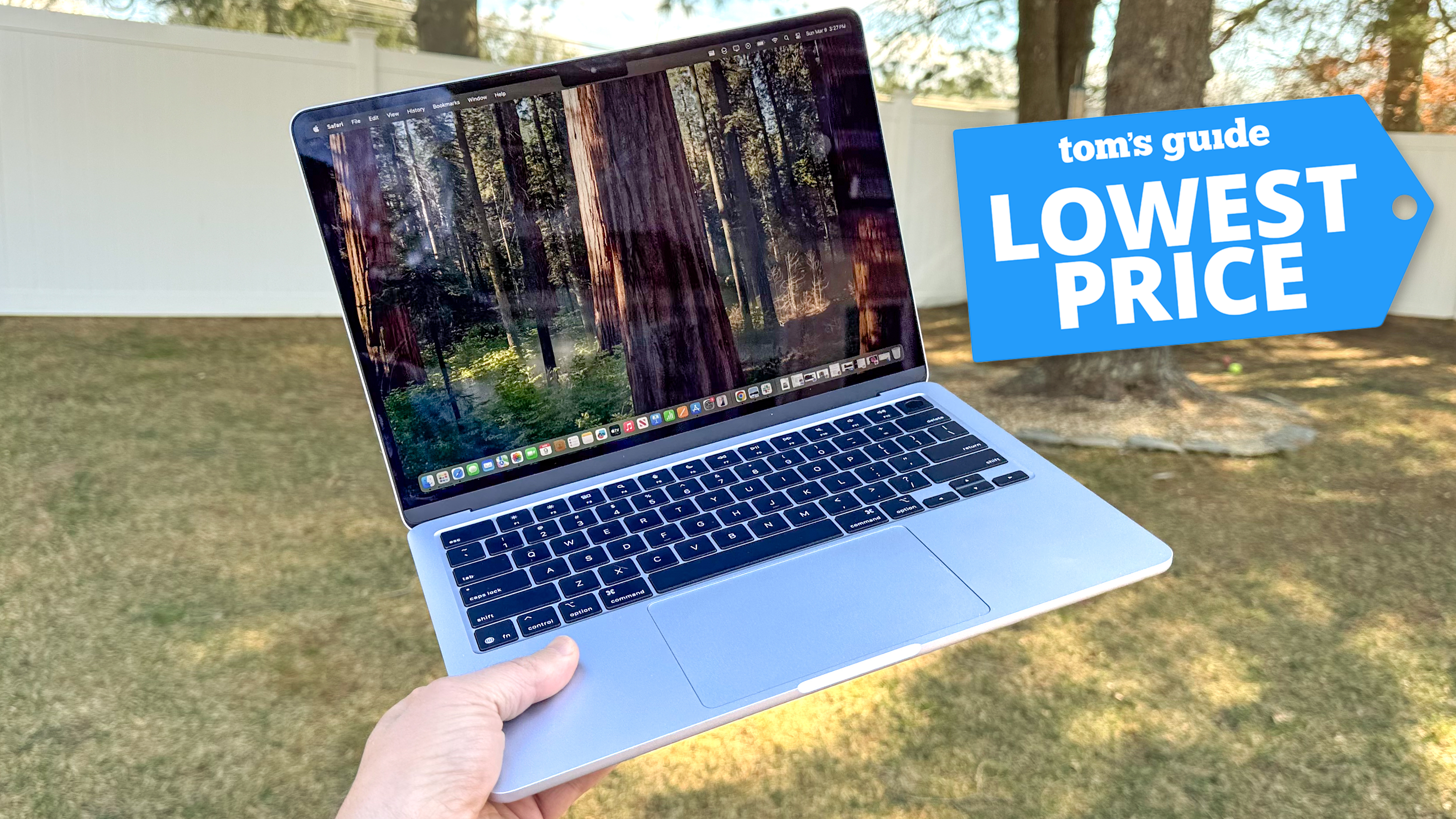
Consumers looking to purchase high-end consumer electronics are increasingly navigating a complex landscape of fluctuating retail prices, supply chain shifts, and localized taxation. Recent observations regarding the pricing of the Apple MacBook Air 15-inch model highlight a broader trend in the tech industry: the gap between advertised base pricing and the final cost to the consumer at checkout. For many buyers, the final invoice price is influenced by regional value-added taxes (VAT), currency exchange rate adjustments, and specific hardware configurations that shift the total cost significantly from the entry-level price point.
The pricing strategy for premium hardware, such as the MacBook Air 15-inch, is managed through a combination of global corporate policy and regional economic factors. According to Apple’s official corporate communications, pricing structures are determined by taking into account various market conditions, including import duties and local tax requirements. When a user configures a device—adjusting memory, storage, or processor specifications—the price scales accordingly, often moving the product into a different tax bracket or shipping category depending on the jurisdiction.
Understanding Hardware Configuration and Pricing
When a consumer saves a specific configuration of a laptop on a manufacturer’s website, they are effectively locking in a price based on real-time inventory and regional pricing models. A configuration that carries a specific price tag in one market may differ in another due to the Value Added Tax (VAT) policies mandated by local governments. In the European Union, for instance, VAT is included in the final retail price, whereas in many parts of the United States, sales tax is calculated at the point of sale, making the advertised price appear lower than the actual cost incurred by the buyer.
The MacBook Air 15-inch, which was introduced to the market to fill the demand for a larger-screen ultraportable, represents a mid-to-high tier investment for most users. As noted by Reuters, the introduction of this model followed a strategic shift to provide more screen real estate without moving to the heavier MacBook Pro chassis. For the consumer, the “hidden” costs often arise not from the base model, but from the necessity of upgrading Unified Memory or SSD storage to ensure the machine remains functional for professional workflows over several years.
Market Factors Influencing Tech Costs
Several macroeconomic variables contribute to why the price of a configured machine may seem higher than expected. Currency volatility is a primary driver; because tech giants often report earnings and set pricing in U.S. dollars, a weakening local currency against the dollar can lead to periodic price adjustments in international markets. According to reports from Bloomberg, Apple maintains significant pricing power, but even that power is subject to the realities of inflation and increased logistics costs that have impacted the broader electronics manufacturing sector since 2022.

Furthermore, the “cost of ownership” is often misunderstood by consumers who look only at the sticker price. Factors such as extended warranty programs (like AppleCare+), mandatory environmental levies in certain European countries, and the cost of necessary peripherals—such as high-speed adapters or external storage—can add a significant percentage to the total expenditure. These costs are rarely reflected in marketing materials, which typically highlight the starting price of the base configuration.
How Consumers Can Track Price Changes
For those aiming to optimize their spending, several strategies are often employed. Monitoring official manufacturer websites for refurbished inventory is one common approach, as these units are often tested to the same standards as new hardware but carry a lower price point. Additionally, educational discounts offered by Apple and other major retailers to students and faculty can reduce the total cost by a notable margin, usually ranging from 5% to 10% depending on the region and the time of year, according to Apple’s Education Pricing portal.
It is also essential for consumers to distinguish between “list price” and “street price.” While official channels maintain fixed pricing, third-party authorized resellers occasionally offer promotions or bundles that include software or services, effectively lowering the barrier to entry. However, buyers should always verify that a retailer is an authorized partner to ensure the validity of the manufacturer’s warranty.
Future Market Outlook
As the tech industry moves toward more integrated silicon, the ability to upgrade components post-purchase has diminished. This shift requires consumers to make more accurate decisions at the time of the initial order. Future price updates are typically tied to the release of new product cycles, which usually occur annually. For the most current information on local pricing and availability, consumers are encouraged to consult the official regional portals provided by the manufacturer.
The next major update regarding product lines and pricing is expected during the company’s scheduled quarterly earnings calls and major product launch events. Readers are invited to share their experiences with regional pricing discrepancies in the comments section below.
Worth a look