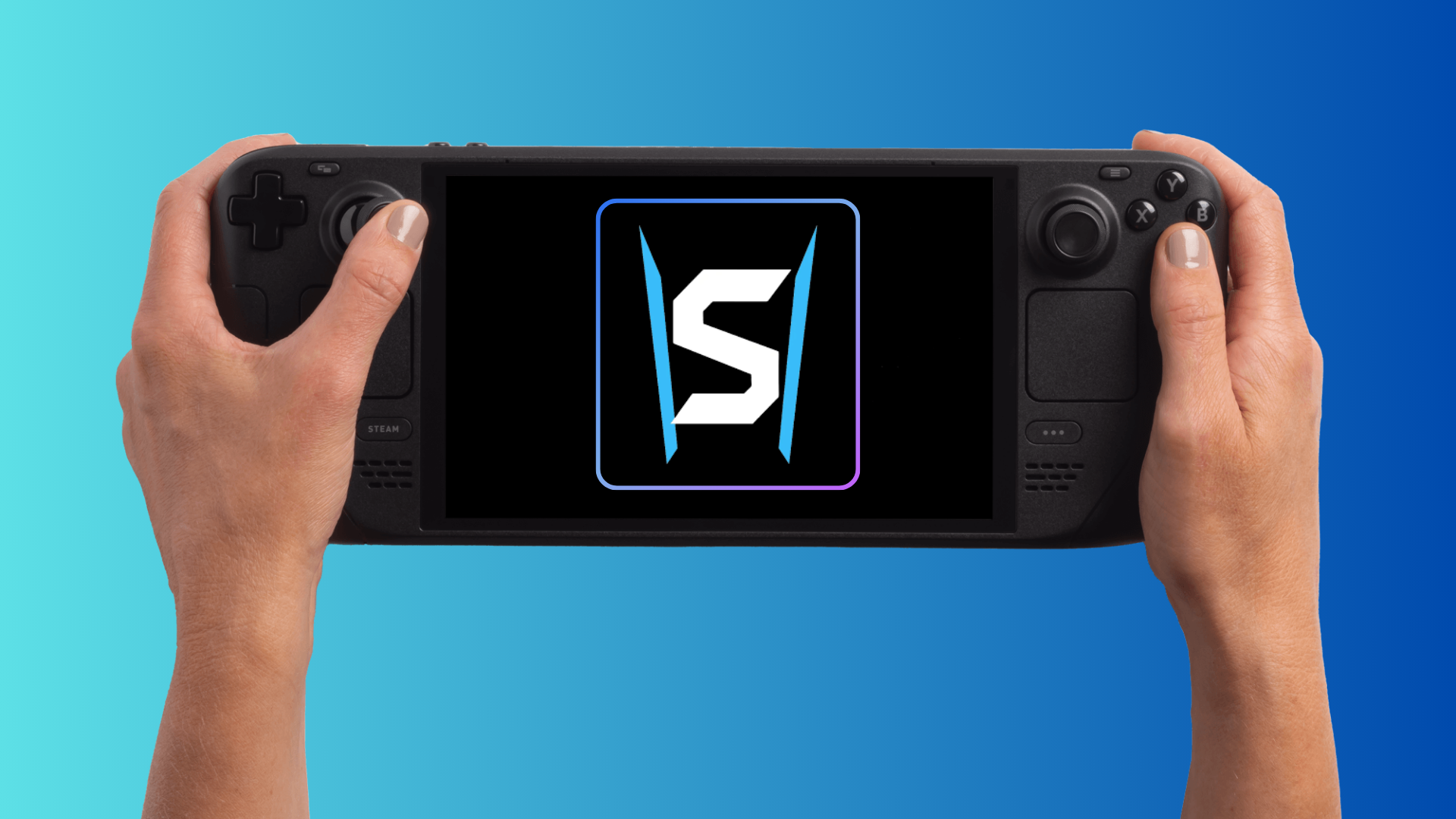
PlayStation 5 emulation achieved a notable, if entirely unplayable, milestone as developers successfully booted the console’s built-in software title Astro’s Playroom on a Valve Steam Deck. The open-source project, known as SharpEmu, managed to initialize the platform’s user interface and display the PlayStation Studios loading screen on Linux-based SteamOS hardware without relying on cloud streaming.
Understanding SharpEmu and Cross-Platform Architecture
SharpEmu is built from scratch in C# with a primary design focus on x86 computing environments. The software features native support for Linux and macOS, running on Apple Silicon devices through the Rosetta 2 translation layer and on Windows-on-Arm systems via Microsoft’s Prism layer.
On the Steam Deck, the software runs within desktop mode inside SteamOS, allowing developers to monitor system processes through diagnostic overlays. In demonstrations capturing Astro’s Playroom, performance metrics show frame rates fluctuating between 0.5 FPS and 1 FPS, accompanied by severely distorted, choppy audio. Although the software can smoothly execute lightweight 2D titles like Dead Cells and Dreaming Sarah on robust desktop hardware, executing native console code remains an experimental endeavor rather than a consumer-ready feature.
Developers have also experimented with unofficial ports for other operating systems. Testing on alternative mobile hardware, such as an Android-based OnePlus 12 running a modified fork, resulted in applications successfully rendering initial developer splash screens before encountering fatal errors that left displays frozen despite stable frame-counter readings.
Comparing Emulation Approaches Across Systems
The modern console emulation landscape features multiple competing projects tackling Sony’s hardware architecture through different technical avenues. While SharpEmu emphasizes cross-platform compatibility across Linux, macOS, and Windows-on-Arm, alternative projects have taken distinct paths regarding operating system support and hardware utilization.
The Kyty project, for instance, has historically focused on Windows environments and achieved notable milestones in booting 3D titles such as Demon’s Souls.
| Project Name | Primary Language/Design | Supported Operating Systems | Notable Achievements |
|---|---|---|---|
| SharpEmu | C# (Built from scratch) | Linux, macOS (via Rosetta 2), Windows-on-Arm (via Prism) | Boots Astro’s Playroom on Steam Deck at sub-1 FPS |
| Kyty | C++ / Proprietary | Windows | Boots 3D software titles including Demon’s Souls |
The Broader Context of Preservation and Hardware Constraints
Industry analysts note that rising manufacturing costs and hardware component shortages have driven up the retail prices of modern home consoles. Concurrently, the gradual shift away from physical media toward digital-only storefronts has heightened concerns regarding long-term digital ownership and software preservation.
Digital preservation advocates argue that community-driven emulation projects serve as an essential safeguard against platform obsolescence.
Related reading