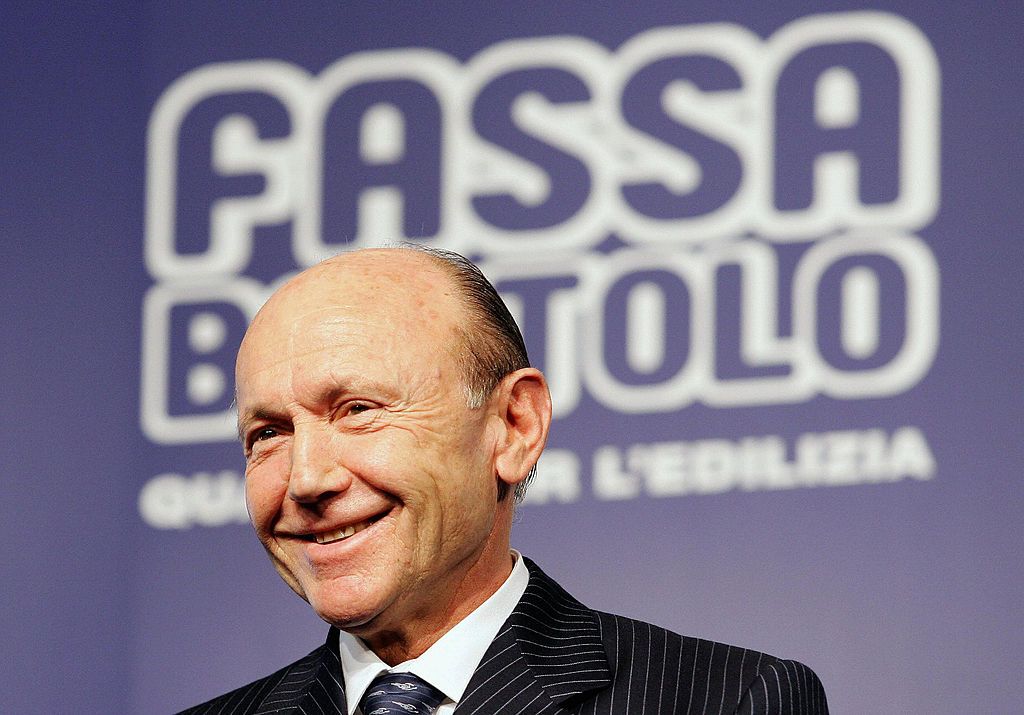
Giancarlo Ferretti, one of professional cycling’s most legendary and formidable sports directors, passed away at the age of 85, leaving behind a monumental legacy that shaped modern racing. Known across the international peloton by his nickname “Ferròn” or the “Iron Sergeant,” Ferretti combined a stern, authoritarian approach to team discipline with a deep, pragmatic understanding of the sport’s brutal physical demands. According to La Gazzetta dello Sport, across a three-decade career directing elite squads such as Bianchi, Ariostea, MG Maglificio, and Fassa Bortolo, Ferretti oversaw his riders amass approximately 900 victories, ranging from Grand Tours to cycling’s prestigious Monuments.
Born in Lugo, in the heart of Romagna, on August 9, 1941, Ferretti’s life in cycling spanned more than six decades, beginning as a professional rider from 1963 to 1970 with teams including Legnano, Sanson, and Salvarani, as noted by Tuttobiciweb. Though he never claimed a professional victory of his own during those years, serving instead as a loyal teammate and trusted lieutenant to Felice Gimondi, that early brush with the fragility of individual success laid the foundation for his managerial philosophy. Ferretti’s later work behind the wheel of team cars established him as a master tactician who could extract peak performance from some of the greatest champions in cycling history, including Fabian Cancellara, Michele Bartoli, Alessandro Petacchi, and Ivan Basso.
Tributes from across the sport poured in following news of his death on his 85th birthday. Former riders and colleagues remembered a figure whose tough exterior masked a profound wisdom, sharp humor, and unwavering loyalty to his athletes. Juan Antonio Flecha, a former Tour de France stage winner who raced under Ferretti at Fassa Bortolo in 2004 and 2005, described him as the single greatest influence on his career. “He was without a doubt the director who had the most influence on me and who inspired me the most,” Flecha recalled in an interview with Cyclingnews, highlighting Ferretti’s unmatched experience and grounded realism.
Tactical Vision and the Fassa Bortolo Era
Ferretti’s reputation for strict discipline was matched only by his innovative and unconventional racecraft. While public perception often focused on his demanding demeanor, inside the team bus and over race radios, Ferretti acted as a strategic mastermind. Flecha recalled instances where the sports director ordered counter-intuitive tactics—such as Fassa Bortolo teammates attacking one another in a small leading group simply to fracture opposing teams and secure a victory at the Giro di Lazio.
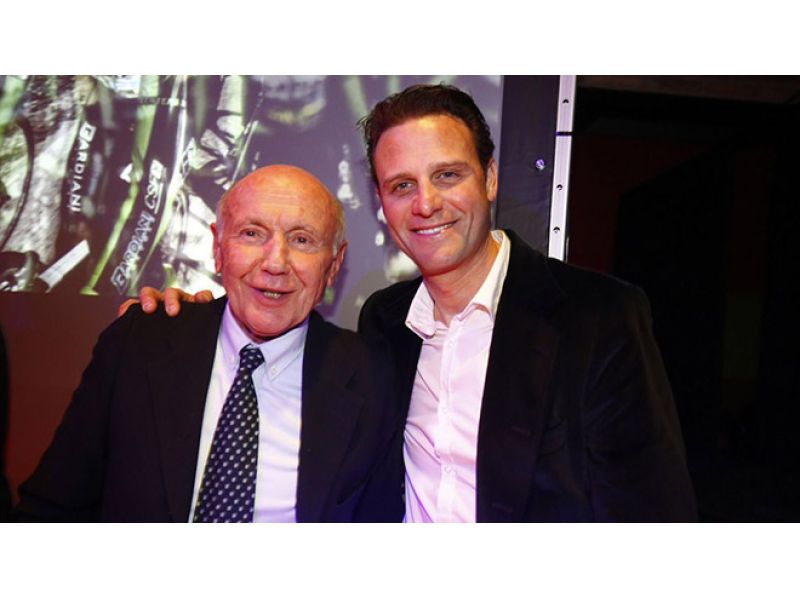
During the 2005 edition of Gent-Wevelgem, Ferretti’s decisive radio call instructed Flecha to launch an immediate attack after bridging to breakaway rider Nico Mattan, a move that split the front of the race and positioned Flecha for a shot at the win. Beyond tactics, Ferretti maintained strict adherence to traditional cycling etiquette, requiring riders to secure proper clearances when transferring between teams and fiercely defending his squad’s interests when procedural controversies arose on the road.
His tenure at the helm of Fassa Bortolo from 2000 to 2005 marked the final chapter of his illustrious managerial career. The era drew to an abrupt close ahead of the 2006 season when a planned sponsorship deal fell through due to a fraudulent scheme targeting the team, abruptly ending Ferretti’s time directing in the upper tiers of the sport just as the ProTour era was restructuring professional cycling.
A Lasting Philosophy in Modern Cycling
Despite the quiet conclusion to his directorship, Ferretti’s influence continued to reverberate through generations of riders, trainers, and sports directors who adopted his collective approach to team identity. Ferretti consistently preached that success required more than raw talent; it demanded selflessness, realism regarding individual capabilities, and a commitment to supporting teammates over personal glory.
As the cycling community mourns the loss of the “Iron Sergeant,” his imprint on the sport remains indelible. From directing Felice Gimondi’s triumph at the 1976 Giro d’Italia to guiding a modern generation of Classics specialists and sprinters, Giancarlo Ferretti defined an era of professional racing defined by grit, tactical brilliance, and an enduring devotion to the team.
Keep reading