
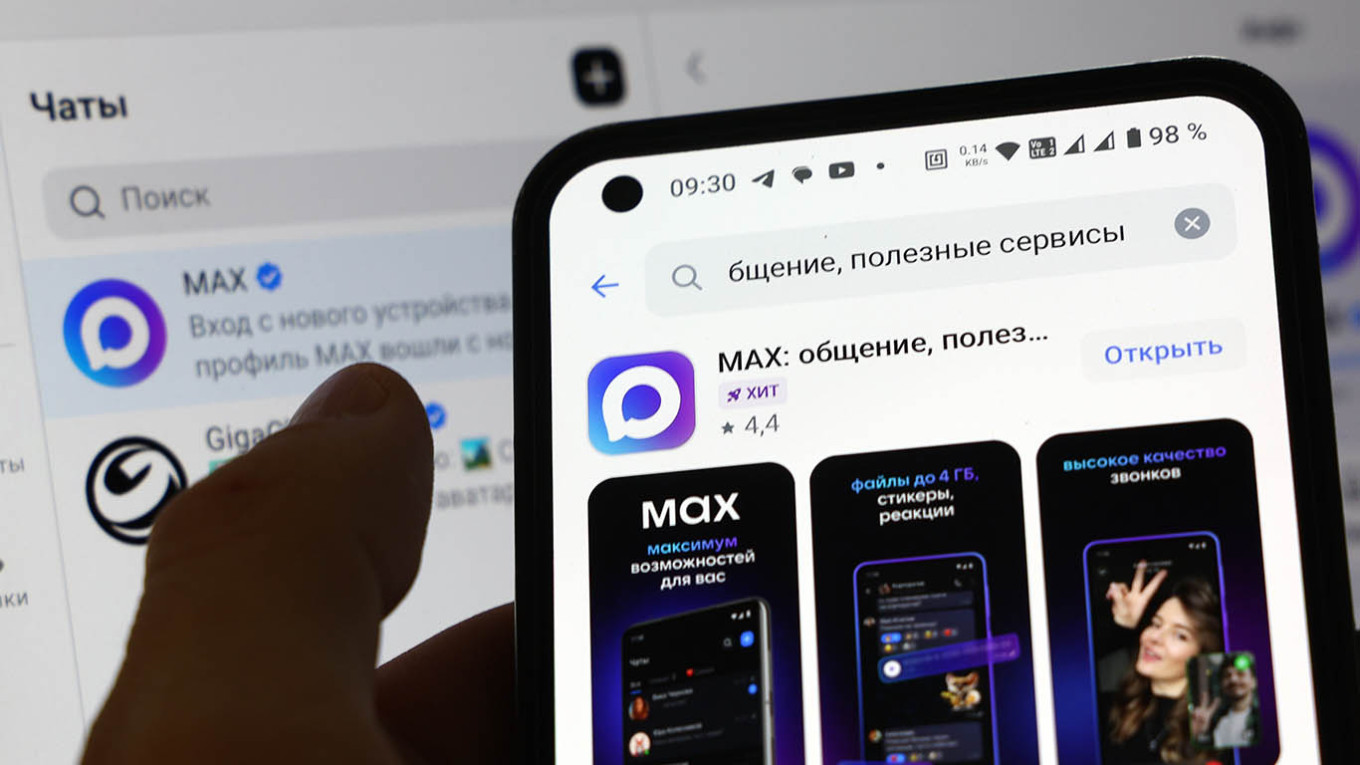
Apple has removed the messaging application “Max” from its App Store, a move that follows increasing scrutiny over software developed or promoted within the Russian market. The application, which was marketed to users as a potential alternative to widely used platforms like Telegram and WhatsApp, is no longer available for download on Apple’s ecosystem.
This decision aligns with Apple’s long-standing policies regarding app distribution and compliance with international regulatory frameworks. While the company rarely comments on specific app removals unless prompted by significant legal or safety concerns, the action reflects a broader trend of technology platforms navigating the complex intersection of digital sovereignty, local mandates and global security standards. For users, the disappearance of the app signals a tightening of the digital marketplace as major tech firms continue to evaluate the risks associated with state-promoted software.
Understanding the Context of App Store Removals
The removal of the Max messaging app underscores the significant power platforms like Apple hold in controlling the digital landscape. When an application is flagged for removal, it often follows an internal review process where the company assesses whether the software violates its App Store Review Guidelines. These guidelines are designed to ensure that apps are safe, respectful of user privacy, and compliant with the laws of the jurisdictions in which they operate.

In the case of apps promoted by state authorities, the scrutiny is often heightened. Technology companies are frequently caught between the pressure to comply with local regulations and the need to maintain global standards for user security and data protection. The removal of Max highlights the tension between developers seeking to provide localized alternatives and the gatekeepers of mobile ecosystems who must verify the integrity of the software being distributed to millions of users.
Digital Privacy and the Shift Away from State-Promoted Apps
For many years, the global messaging market has been dominated by established players that utilize end-to-end encryption to protect user communications. When a new entrant, particularly one backed or promoted by a state entity, enters the market, it often faces skepticism from the international security community. The primary concern usually centers on data sovereignty—specifically, whether the information transmitted through these apps remains private or is subject to surveillance by the promoting government.
International observers and digital rights organizations have consistently urged users to be wary of applications that lack transparency regarding their data handling practices. The removal of the Max app from the App Store effectively restricts its reach, preventing it from gaining a foothold among users who rely on Apple’s built-in security features, such as the App Tracking Transparency framework, to protect their digital footprint.
What This Means for International Users
- Platform Integrity: Apple’s decision to remove the app reinforces its commitment to maintaining a controlled environment where apps are vetted for safety.
- Security Concerns: Users are encouraged to prioritize communication platforms that have undergone independent security audits and maintain transparent privacy policies.
- Regulatory Compliance: The move demonstrates that even state-backed software is not exempt from the rigorous standards set by global technology companies.
Looking Ahead: The Future of Messaging Platforms
As the digital landscape continues to evolve, the role of messaging apps as essential tools for daily communication will only grow. However, the incident surrounding the Max messaging app serves as a reminder that the digital world is not borderless. Regulatory bodies, technology companies, and users are all engaged in an ongoing negotiation over what constitutes a “safe” and “compliant” application.

Moving forward, industry analysts expect to see continued pressure on major tech platforms to justify the presence of various applications within their stores. As for the developers of Max and similar projects, the path to re-entry or wider adoption remains blocked by the stringent requirements of the modern App Store. Readers interested in the latest updates regarding app store policies and digital security can monitor official communications from technology regulators and company press rooms for further developments.
We invite our readers to share their thoughts on the balance between digital sovereignty and platform security in the comments section below. Stay tuned to our tech desk for more updates as this story develops.