
The landscape of wearable technology is bracing for a potential shift as reports emerge regarding Apple’s long-term product roadmap. While the tech giant has already made significant waves with the Apple Vision Pro, industry observers are now looking toward a more accessible frontier: iPhone-connected smart glasses. Current indications suggest that the company is refining its strategy for this product category, with a targeted internal timeline pushing development toward late 2027.
For those tracking the evolution of personal electronics, this pivot suggests that Apple is not merely competing with existing augmented reality (AR) headsets but is instead looking to replicate the market-disrupting success of the Apple Watch. By positioning these future glasses within a mid-tier price bracket—estimated between $200 and $500—the company appears to be targeting a mass-market adoption strategy that has defined its most successful hardware rollouts to date. This approach would place the product in direct competition with established players like Meta, which has seen success with its Ray-Ban smart glasses collaboration, according to recent market analysis and earnings reports detailing the growth of wearables and AR-focused hardware.
Beyond the Vision Pro: The Strategy for Smart Glasses
The shift toward 2027 reflects the complex engineering challenges inherent in creating lightweight, aesthetically pleasing eyewear that maintains a meaningful connection to the iPhone. Unlike the standalone computing power required by the Vision Pro, which currently retails at a starting price of $3,499, the proposed smart glasses are expected to offload significant processing tasks to the host device. This architecture is crucial for reducing weight and heat, two of the primary hurdles in the current wearable market, as noted in recent Apple corporate communications regarding the company’s commitment to integrated hardware-software ecosystems.
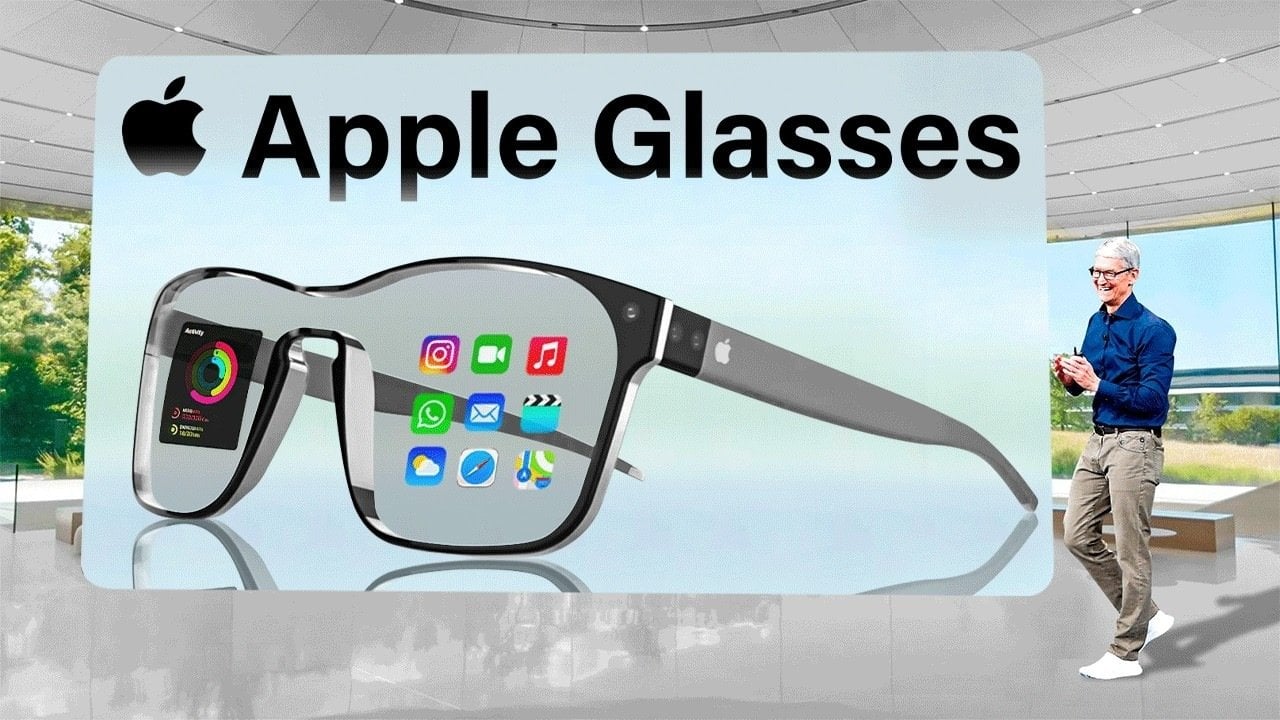
By aiming for the $200 to $500 price point, Apple is effectively signaling a departure from the “pro” tier of spatial computing. This strategy mirrors the trajectory of the Apple Watch, which evolved from a luxury accessory into a ubiquitous health and notification tool. If successful, these glasses could serve as a primary interface for Siri, navigation, and notification management, tethered seamlessly to the user’s iPhone. Analysts suggest that such a device would need to balance battery life, lens clarity, and privacy features to gain traction with a mainstream audience, a set of requirements that the industry is still actively navigating.
The Evolving Software Ecosystem
While hardware development continues, the software foundation for future Apple devices is already under active construction. The iterative development of iOS continues to serve as the backbone for these future integrations. Recent industry updates have highlighted that the company is simultaneously managing long-term cycles for iOS 27 and iOS 28, ensuring that the necessary infrastructure for wearable connectivity is baked into the operating system long before the hardware hits the shelves. This “software-first” approach is a hallmark of Apple’s development cycle, allowing for a polished user experience at launch.
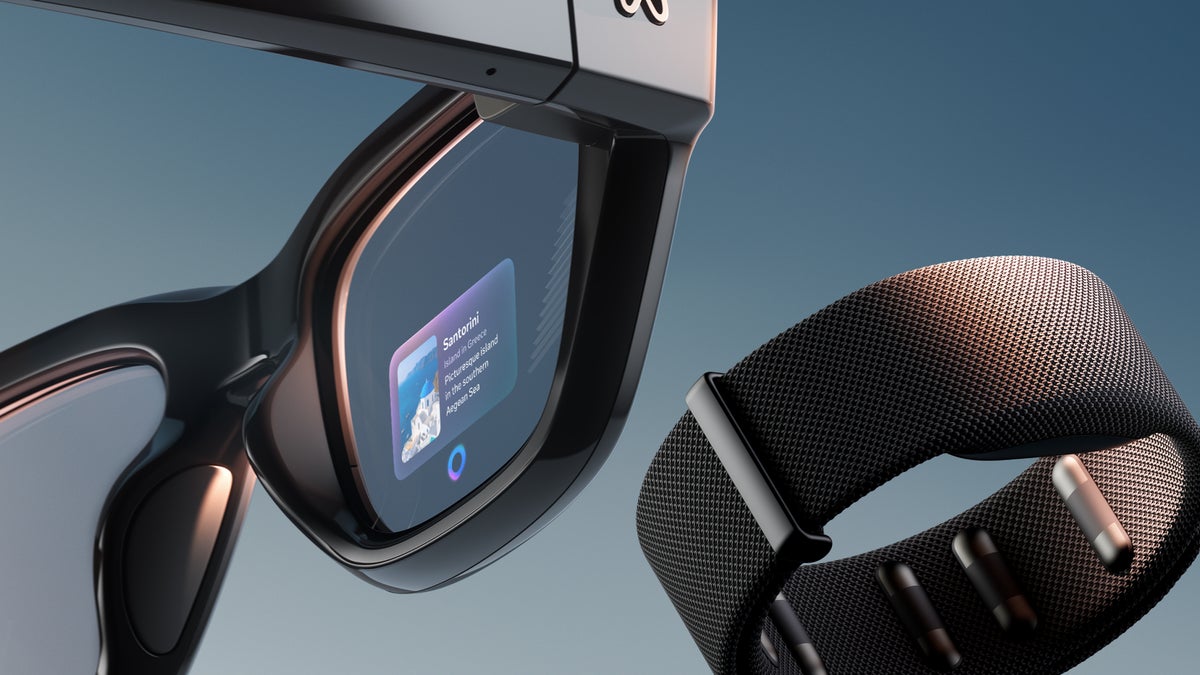
the broader ecosystem, including potential updates to the HomePod mini and Apple TV, suggests a cohesive vision for the smart home and mobile lifestyle. Integrating smart glasses into this ecosystem would likely involve leveraging existing technologies like UWB (Ultra Wideband) for spatial awareness and the latest neural engine advancements found in recent A-series and M-series chips. For a deeper look at how these internal software shifts impact consumer devices, you can explore our latest coverage on Apple’s ecosystem evolution.
Industry Competition and Market Impact
Apple’s entry into the smart glasses space is widely viewed as a challenge to Meta, which has aggressively pursued the “smart eyewear” segment. Meta’s current strategy focuses on AI-integrated glasses that prioritize social interaction and voice assistance over full-scale augmented reality. Apple’s potential arrival could force a market-wide pivot toward higher standards in privacy, display technology, and design. The competitive nature of this segment is underscored by the ongoing investment trends in AR and AI hardware reported by major financial outlets, reflecting the high stakes for big tech firms.
The focus on a mid-tier price point is particularly notable. By targeting the sub-$500 range, Apple would be courting consumers who are already invested in the iPhone ecosystem but have been hesitant to adopt high-cost, bulky headsets. This strategy relies on the glasses being perceived as a fashionable, functional accessory rather than a specialized piece of computing equipment. The success of such a product will likely depend on its ability to offer a “killer app”—a use case that makes the glasses indispensable rather than just another gadget to charge at night.
Key Takeaways for Consumers
- Timeline: Current reports point to a potential release in late 2027, though internal timelines are subject to change based on engineering milestones.
- Market Positioning: Apple is reportedly aiming for the $200–$500 price bracket, targeting the mid-tier consumer market.
- Connectivity: The device is expected to rely heavily on the iPhone for processing, allowing for a thinner and lighter form factor.
- Ecosystem Integration: The product will likely leverage advancements in iOS and the existing suite of Apple wearables to ensure seamless functionality.
As we look toward 2027, the focus remains on whether the technology can meet the high expectations set by Apple’s previous hardware successes. The company has not provided an official release date or confirmed the existence of this specific product line, and stakeholders are advised to monitor official channels for future announcements. The next major checkpoint for Apple’s software and hardware roadmap will likely be the annual Worldwide Developers Conference (WWDC), where the company traditionally outlines its long-term strategic vision. We will continue to track these developments as more information becomes available. We invite our readers to share their thoughts on the future of wearable tech in the comments section below.

Worth a look