
The relationship between personal finance and mental health has become a critical focal point for economists and public health experts alike. As global economic conditions continue to shift, the psychological burden of financial instability—often referred to as financial anxiety—is increasingly recognized as a significant driver of stress, sleep disruption, and diminished overall well-being. For many, the mere thought of managing household debt or reconciling monthly expenses can trigger a visceral emotional response that transcends simple mathematics.
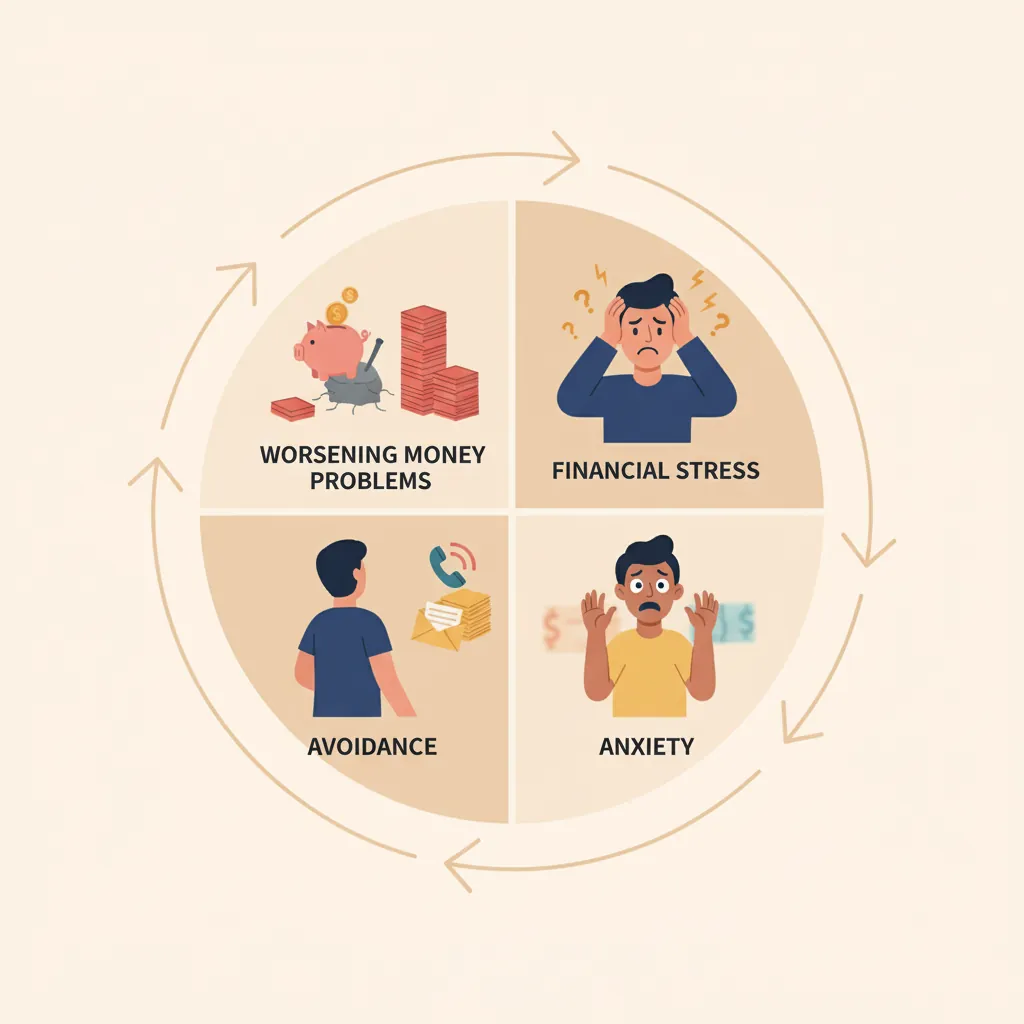
Financial anxiety is not merely a consequence of poor budgeting; it is a complex phenomenon tied to how individuals perceive their long-term economic security. Recent observations by researchers at the American Psychological Association highlight that money is consistently cited as a top source of stress for adults, impacting physical health outcomes, including tension and fatigue. When individuals feel they lack control over their financial trajectory, the resulting stress can create a cycle that is difficult to break without targeted intervention and systemic support.
The Psychological Impact of Debt and Economic Uncertainty
The distinction between net worth and liquid income is vital when analyzing why certain financial structures induce more anxiety than others. While income provides the means for daily survival, net worth represents a broader cushion against unforeseen life events. When individuals perceive their debt as an unmanageable burden, the psychological impact is often profound. Clinical studies suggest that high levels of debt-related stress are frequently associated with symptoms of generalized anxiety and, in more severe cases, clinical depression.
According to the Consumer Financial Protection Bureau (CFPB), understanding the mechanics of debt collection and repayment is a foundational step in mitigating the distress caused by financial obligations. The agency emphasizes that consumers who take proactive steps to organize their debts and communicate with creditors often experience a tangible reduction in their daily stress levels. This underscores the reality that financial anxiety is often exacerbated by a lack of clear information or the feeling of being overwhelmed by complex interest structures.
Strategic Approaches to Financial Wellness
Addressing financial anxiety requires a multi-faceted approach that combines practical debt management with cognitive strategies. Financial planners often recommend a “debt-to-income” analysis to help individuals objectively view their situation rather than reacting to it through an emotional lens. By breaking down large, daunting balances into smaller, actionable milestones, individuals can regain a sense of agency over their economic lives.
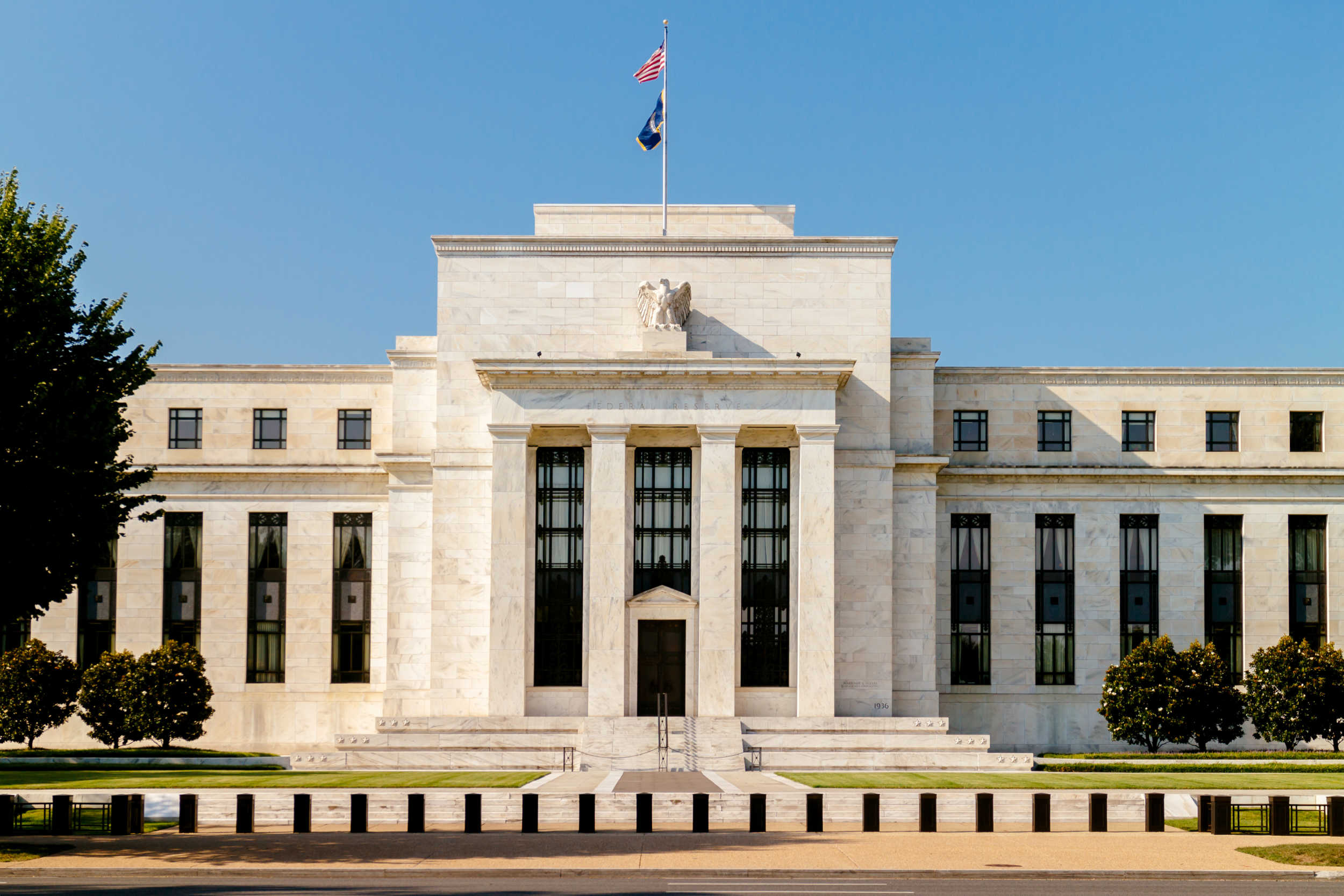
the Federal Reserve provides extensive resources on financial education, which serves as a vital tool for those attempting to navigate economic uncertainty. Building a robust emergency fund, even when debt exists, is often cited by financial professionals as a necessary psychological buffer. Knowing that a small amount of capital is set aside for emergencies can significantly reduce the “constant worry” that defines chronic financial stress.
Key Takeaways for Managing Financial Stress
- Acknowledge the stress: Recognizing that financial anxiety is a valid, common experience is the first step toward effective management.
- Inventory your obligations: Create a clear, written record of all debts and assets to remove the ambiguity that often fuels anxiety.
- Seek professional guidance: Non-profit credit counseling services can offer structured, objective advice for those struggling to manage debt independently.
- Prioritize mental health: Financial stress is a health issue; do not hesitate to seek support from mental health professionals if money worries become all-consuming.
The Role of Institutional Support
Systemic economic policy plays a decisive role in the prevalence of financial anxiety. Regulatory bodies continue to monitor household debt levels as a key indicator of economic health. For instance, the Federal Reserve’s Z.1 Financial Accounts of the United States report provides periodic data on household debt, allowing policymakers to gauge the level of strain on the average consumer. When debt-to-disposable-income ratios reach historical highs, the aggregate level of societal stress often rises in tandem.
while individual actions are essential, the broader economic environment—including interest rate policies and inflation—remains the primary driver of household financial stability. As we move through the current fiscal year, consumers are encouraged to monitor official updates from financial regulators regarding changes to consumer protection laws and credit reporting standards. Staying informed is perhaps the most effective antidote to the uncertainty that characterizes the modern economic landscape.
For those seeking to improve their financial standing, the next scheduled public hearing by the Consumer Financial Protection Bureau will provide further insights into upcoming regulatory adjustments that may affect consumer debt management. We welcome your thoughts on how your own financial planning has helped navigate these uncertain times—please share your insights in the comments section below.
Worth a look