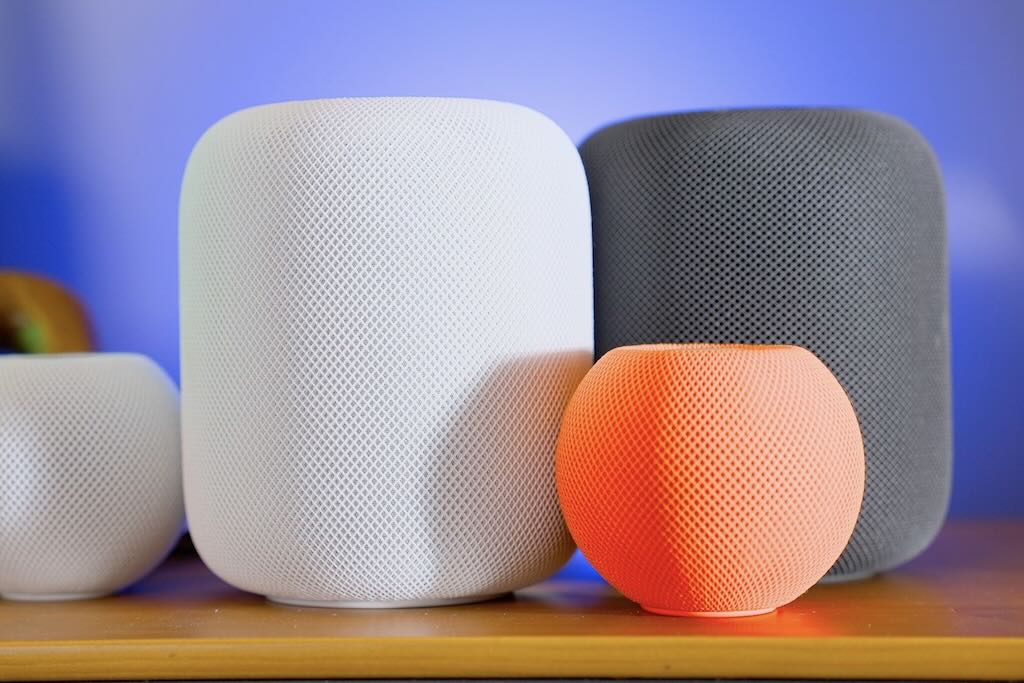
The release of Apple’s next-generation Apple TV 4K and HomePod is reportedly on hold, tied to the ongoing development of a significantly revamped Siri, the company’s virtual assistant. The delay underscores Apple’s strategic shift towards integrating advanced artificial intelligence capabilities across its product ecosystem, even if it means postponing hardware launches.
The situation, first reported by Bloomberg’s Mark Gurman on March 9, 2026, highlights the critical role Siri plays in Apple’s future hardware plans. According to Gurman, both the updated Apple TV and HomePod are linked to “new artificial intelligence features,” making the completion of the new Siri essential for their release. This isn’t the first time these devices have faced launch delays; rumors of a new HomePod mini and a refreshed Apple TV 4K have circulated since 2024, with previous expectations for a late 2025 launch proving unfounded. Apple’s early 2026 launch event, which introduced the iPhone 17e and MacBook Neo, also passed without mention of either device.
The Siri Bottleneck: A History of Delays
Apple initially aimed to debut the “Apple Intelligence” version of Siri with iOS 26.4. Yet, the rollout has been repeatedly postponed due to ongoing reliability issues. The revamped Siri is now slated for a full release alongside iOS 27, coinciding with the launch of the iPhone 18 Pro in late 2026. There is a possibility, however, that some of the new Siri capabilities could be rolled out earlier as part of an iOS 26.5 update. This iterative approach suggests Apple is prioritizing a stable and functional user experience over a rushed launch.
The challenges with Siri’s development are not new. The assistant has long been considered a weak point in Apple’s otherwise polished ecosystem, lagging behind competitors like Google Assistant and Amazon’s Alexa in terms of accuracy and functionality. The current delays suggest Apple is attempting a more substantial overhaul, aiming for a truly intelligent assistant capable of understanding natural language and providing contextually relevant responses. This ambition, while laudable, appears to be proving more complex than initially anticipated.
What to Expect from the New Apple TV 4K and HomePod
While the exact specifications of the new Apple TV 4K and HomePod remain under wraps, reports suggest significant internal upgrades. The Apple TV 4K, which hasn’t been refreshed since 2022, is rumored to receive an A17 Pro chip and Apple’s N1 networking chip, promising improved performance and connectivity. However, major design changes are not expected. The focus appears to be on enhancing the underlying technology rather than drastically altering the device’s appearance.
The situation with the HomePod is slightly more ambiguous. Gurman’s recent reporting refers to a “HomePod” without specifying the mini version, leading to speculation about whether Apple will refresh both the full-sized HomePod and the HomePod mini. Previous reports indicated that a new HomePod mini was ready for release, but it remains unclear if both models will be updated simultaneously. The integration of the new Siri is expected to be a key feature of both devices, enabling more seamless voice control and smart home integration.
The Importance of AI in Apple’s Smart Home Strategy
Apple’s decision to tie the release of these devices to the new Siri underscores the company’s broader strategy of building a cohesive smart home ecosystem. The updated Siri is intended to be the central hub for controlling and interacting with Apple’s smart home devices, offering a more intuitive and personalized experience. By synchronizing hardware and software advancements, Apple aims to deliver a seamless and unified experience across its product lineup. This approach is crucial for competing with established players in the smart home market, such as Amazon and Google, who have a significant head start in terms of voice assistant integration.
The delay also reflects a growing trend in the tech industry towards prioritizing software innovation alongside hardware advancements. Companies are increasingly recognizing that the true value of a device lies not just in its physical components but also in the software that powers it. Apple’s commitment to perfecting Siri before releasing new hardware demonstrates its understanding of this dynamic and its willingness to prioritize quality over speed to market.
Impact on Consumers and the Smart Home Landscape
The postponement of the Apple TV 4K and HomePod launches will undoubtedly disappoint consumers eager to upgrade their home entertainment and smart home setups. However, the delay could ultimately benefit users by ensuring a more polished and reliable product experience. A half-baked implementation of the new Siri could damage Apple’s reputation and hinder the adoption of its smart home ecosystem.
The situation also has broader implications for the smart home market. Apple’s entry into the space with fully functional, AI-powered devices could accelerate the adoption of smart home technology and drive innovation across the industry. However, the delays highlight the challenges of developing truly intelligent virtual assistants and the importance of prioritizing quality and reliability.
As of March 15, 2026, Apple has not provided a firm release date for the new Apple TV 4K or HomePod. The company is expected to provide further updates on the progress of the new Siri and its associated hardware at its Worldwide Developers Conference (WWDC) in June 2026. Consumers and industry observers will be closely watching for any announcements regarding the launch timeline.
The ongoing development of Siri and its impact on Apple’s hardware releases serves as a reminder that the pursuit of artificial intelligence is a complex and iterative process. While Apple’s ambition to create a truly intelligent virtual assistant is commendable, the company must balance its desire for innovation with the need to deliver a stable and reliable user experience. The success of its smart home strategy hinges on its ability to achieve this delicate balance.
Key Takeaways:
- The launch of the new Apple TV 4K and HomePod is dependent on the completion of a revamped Siri.
- Apple initially planned to release the new Siri with iOS 26.4, but the rollout has been delayed until iOS 27, coinciding with the iPhone 18 Pro launch.
- The new Apple TV 4K is expected to feature an A17 Pro chip and Apple’s N1 networking chip.
- It remains unclear whether Apple will refresh both the full-sized HomePod and the HomePod mini.
- Apple’s strategy underscores the importance of AI in its smart home ecosystem and its commitment to delivering a seamless user experience.
The next major update regarding these devices is anticipated at Apple’s WWDC in June 2026. We will continue to monitor the situation and provide updates as they grow available. What are your thoughts on Apple’s strategy? Share your comments below, and be sure to share this article with your network!
Related reading