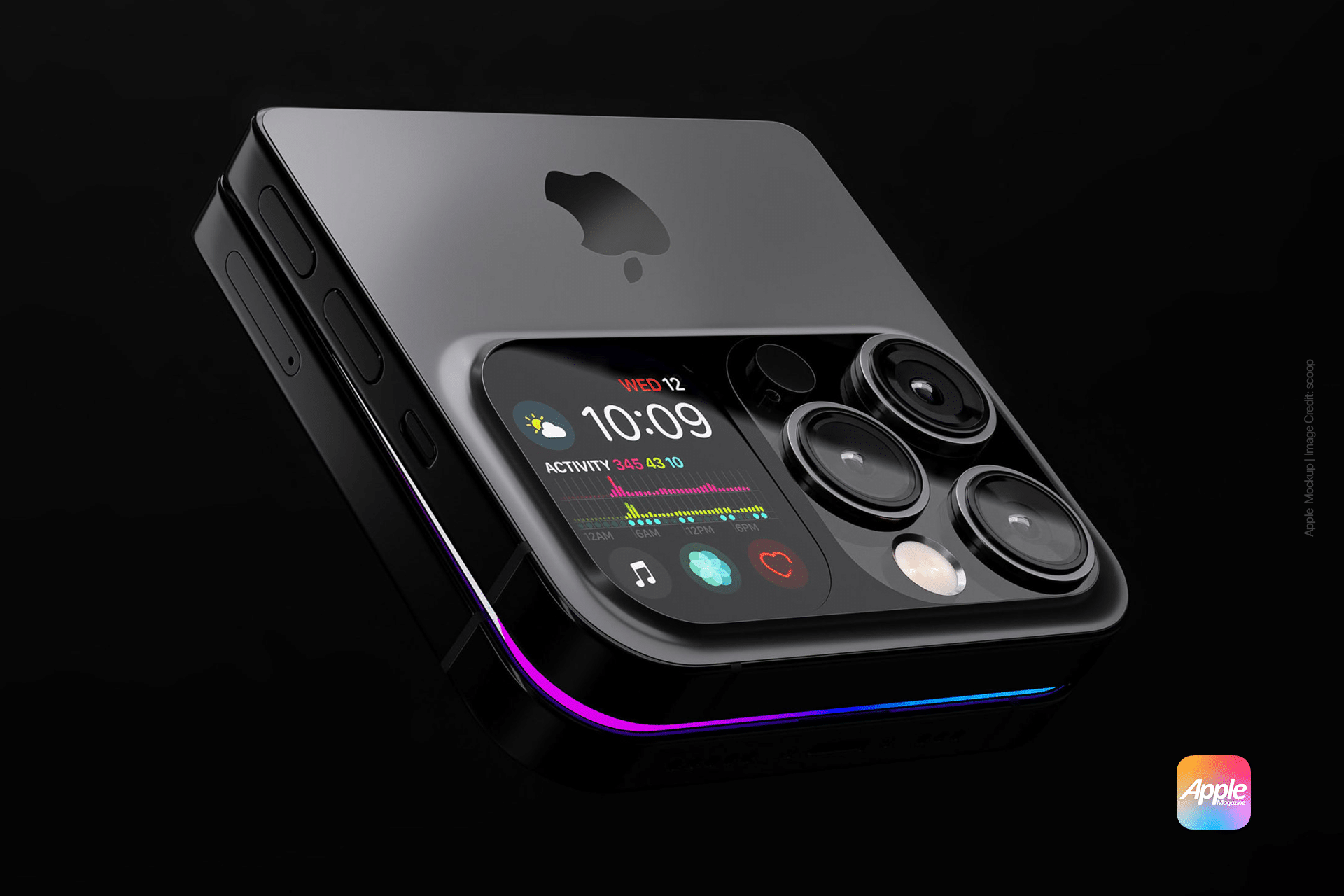
Apple’s ‘Ultra’ Era: Foldable iPhone and Touchscreen MacBook Set to Redefine Premium Tech in 2026
SAN FRANCISCO — Apple is poised to introduce its most ambitious product expansion in years, with reports confirming the launch of an “Ultra” branding tier that will sit above its existing “Pro” lineup. According to multiple verified sources, the tech giant plans to unveil its first foldable iPhone and a touchscreen MacBook in 2026, both carrying the “Ultra” moniker. This move marks a strategic shift for Apple, which has historically reserved the “Ultra” label for its highest-end Apple Watch models, such as the Apple Watch Ultra 2.
The foldable iPhone, now officially rumored to be called the iPhone Ultra, is expected to debut alongside the iPhone 18 Pro and Pro Max in September 2026. Unlike previous iPhone iterations, the Ultra model will not replace the Pro lineup but will instead serve as a premium alternative, targeting users willing to pay a premium for cutting-edge innovation. Meanwhile, the MacBook Ultra is set to redefine Apple’s laptop offerings, positioning itself above the MacBook Pro in both price and features, including a groundbreaking OLED touchscreen display.
For consumers and industry analysts alike, the introduction of the Ultra tier raises critical questions: How will these devices differ from Apple’s existing lineup? What does this mean for the future of foldable technology? And perhaps most importantly, how much will these premium devices cost? Below, we break down everything we know so far—verified through primary sources and authoritative reports.
The iPhone Ultra: Apple’s First Foldable Phone
After years of speculation, Apple’s first foldable iPhone is finally taking shape. According to a detailed report from Macworld, the iPhone Ultra will feature a book-style fold, distinguishing it from competitors like Samsung’s Galaxy Z Fold series. The device is expected to include a crease-free display, a significant engineering feat that could set it apart in the foldable phone market.
Key specifications, as reported by 9to5Mac, include:
- A 5.5-inch outer screen and a 7.8-inch inner display, offering users both compact and expansive viewing options.
- The A20 Pro chip and C2 cellular modem, ensuring top-tier performance and connectivity.
- Custom iOS 27 features designed for multitasking, including side-by-side app functionality optimized for the foldable form factor.
- Dual camera systems: a main and ultra-wide rear camera setup, along with a front camera on each display for seamless selfies and video calls.
- Touch ID integrated into the power button, a nod to Apple’s continued investment in biometric security.
The iPhone Ultra’s design and features suggest Apple is not merely entering the foldable market but aiming to redefine it. By maintaining its signature focus on user experience and hardware-software integration, Apple could address some of the common pain points associated with foldable phones, such as durability and software optimization.
The MacBook Ultra: A New Benchmark for Laptops
Apple’s ambitions extend beyond the iPhone. The company is also reportedly developing a MacBook Ultra, a device that would sit above the MacBook Pro in its product hierarchy. According to Macworld, the MacBook Ultra will feature an OLED touchscreen, a first for Apple’s laptop lineup. This innovation could bridge the gap between traditional laptops and tablets, offering users a more versatile computing experience.

While details about the MacBook Ultra remain limited, industry analysts speculate that it will include:
- An M6 chip, Apple’s next-generation silicon, which would deliver unparalleled performance for creative professionals and power users.
- A premium build quality, likely incorporating materials such as titanium or advanced alloys to justify its higher price point.
- Enhanced software features tailored for the touchscreen interface, potentially including new multitasking tools and creative applications.
The introduction of the MacBook Ultra could signal Apple’s response to growing demand for hybrid devices that combine the functionality of a laptop with the flexibility of a tablet. If successful, this product could challenge Microsoft’s Surface lineup and other high-end Windows devices that have dominated the touchscreen laptop space.
Why the ‘Ultra’ Branding Matters
Apple’s decision to expand the “Ultra” branding beyond the Apple Watch is a strategic move with significant implications. Historically, the “Ultra” label has been reserved for Apple’s most rugged and feature-rich devices, such as the Apple Watch Ultra, which is designed for extreme sports and outdoor activities. By applying this branding to the iPhone and MacBook, Apple is signaling that these products are not just incremental upgrades but represent a new tier of innovation and luxury.
This shift also reflects Apple’s broader strategy to diversify its product portfolio. As the smartphone and laptop markets mature, companies are under pressure to innovate and justify premium pricing. The Ultra tier allows Apple to cater to high-end consumers who are willing to pay for the latest and greatest technology, while still maintaining its more accessible Pro and standard models for mainstream users.
For competitors, Apple’s move could intensify the race to develop foldable and touchscreen devices. Samsung, Google, and Microsoft have all invested heavily in foldable technology, but Apple’s entry into the market could accelerate adoption and drive further innovation. Analysts predict that the foldable phone market could grow significantly in the coming years, with Apple’s involvement potentially legitimizing the category for a broader audience.
What In other words for Consumers
The introduction of the iPhone Ultra and MacBook Ultra raises several questions for consumers:
1. Pricing: How Much Will These Devices Cost?
While Apple has not officially disclosed pricing, industry experts expect the iPhone Ultra to start at around $1,999, positioning it as one of the most expensive smartphones on the market. The MacBook Ultra, given its premium features, could exceed $3,000, making it a significant investment for most users. For context, the current MacBook Pro lineup starts at $1,999, while the highest-end models can reach $3,499 with maximum configurations.
2. Target Audience: Who Are These Devices For?
The Ultra tier is clearly aimed at professionals, creatives, and tech enthusiasts who demand the best performance and cutting-edge features. The iPhone Ultra, with its foldable design, could appeal to users who want a larger screen without sacrificing portability. Meanwhile, the MacBook Ultra’s touchscreen could attract designers, video editors, and other creative professionals who rely on precision and versatility.

3. Software and Ecosystem Integration
One of Apple’s greatest strengths is its ecosystem, and the Ultra devices are expected to leverage this advantage. The iPhone Ultra’s custom iOS 27 features, for example, could include enhanced multitasking capabilities tailored for the foldable display. Similarly, the MacBook Ultra’s touchscreen could integrate seamlessly with macOS, offering new ways to interact with creative software like Final Cut Pro and Logic Pro.
4. Durability and Longevity
Foldable phones have faced criticism in the past for their durability, particularly regarding screen creases and hinge mechanisms. Apple’s reputation for build quality suggests the iPhone Ultra will address these concerns, but consumers will likely wait for real-world testing before committing to such a high-priced device. The MacBook Ultra’s touchscreen will also demand to prove its durability, especially for users who rely on their laptops for intensive function.
What’s Next for Apple’s Ultra Lineup?
While the iPhone Ultra and MacBook Ultra are the most immediate focus, Apple’s expansion of the Ultra branding could extend to other product categories. According to Macworld, the company is exploring Ultra versions of the iPad and AirPods, though details remain scarce. If these rumors materialize, Apple could create an entirely new ecosystem of Ultra devices, catering to users who prioritize premium features and performance.
For now, all eyes are on Apple’s September 2026 event, where the company is expected to unveil the iPhone Ultra alongside the iPhone 18 Pro and Pro Max. The MacBook Ultra may follow later in the year or early 2027, depending on production timelines. Industry analysts will be closely watching these launches to gauge consumer interest and assess whether the Ultra tier can carve out a sustainable niche in Apple’s product lineup.
Key Takeaways
- New Tier, New Innovation: Apple is introducing an “Ultra” branding tier for its iPhone and MacBook lines, positioning these devices above the existing Pro models.
- Foldable iPhone: The iPhone Ultra will be Apple’s first foldable phone, featuring a book-style design, a 7.8-inch inner display, and custom iOS 27 multitasking features.
- Touchscreen MacBook: The MacBook Ultra will include an OLED touchscreen, marking a significant departure from Apple’s traditional laptop designs.
- Premium Pricing: Both devices are expected to carry premium price tags, with the iPhone Ultra potentially starting at $1,999 and the MacBook Ultra exceeding $3,000.
- Target Audience: The Ultra tier is aimed at professionals, creatives, and tech enthusiasts who demand the best performance and cutting-edge features.
- Future Expansion: Apple may extend the Ultra branding to other products, including the iPad and AirPods, in the coming years.
Final Thoughts
Apple’s move into the Ultra tier represents a bold step forward in its product strategy. By introducing foldable and touchscreen devices under the Ultra brand, the company is not only expanding its lineup but also redefining what premium technology can offer. For consumers, this means more choices—and higher price points—but also the promise of innovation that could shape the future of personal computing and mobile devices.
As we approach the September 2026 launch, one thing is clear: Apple’s Ultra era is just beginning. Whether these devices will live up to the hype remains to be seen, but one thing is certain—the tech world will be watching closely.
What are your thoughts on Apple’s Ultra lineup? Would you consider upgrading to an iPhone Ultra or MacBook Ultra? Share your opinions in the comments below, and don’t forget to follow World Today Journal’s Tech section for the latest updates on Apple’s innovations.
Related reading