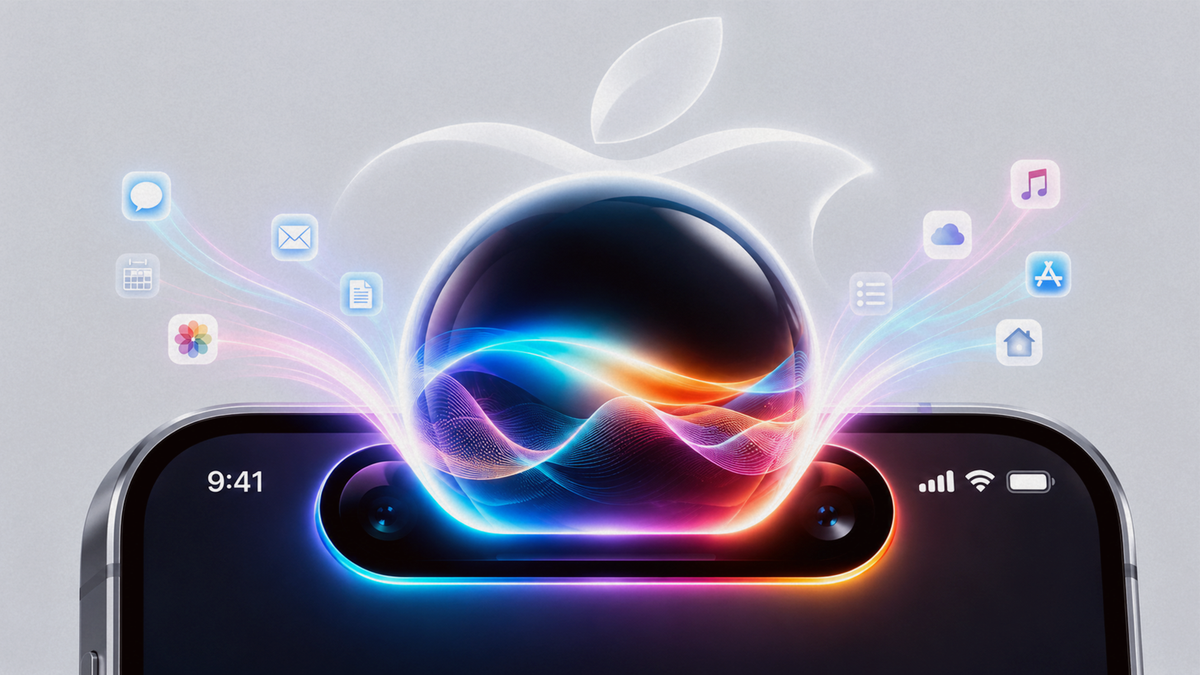
Apple has unveiled a significant overhaul to its digital assistant, Siri, integrating advanced artificial intelligence capabilities that the company describes as a new era of “personal AI.” Announced during the company’s Worldwide Developers Conference (WWDC), the update aims to transform Siri from a command-based tool into a more intuitive, context-aware companion. This shift marks a strategic move for the Cupertino-based tech giant as it attempts to catch up in a rapidly evolving AI-driven market, though the rollout faces a fragmented global landscape due to regional regulatory considerations.
As a technology journalist who has tracked Apple’s software evolution for nearly a decade, I see this move as a necessary pivot for the company. Apple’s approach, officially branded as “Apple Intelligence,” focuses on deep integration within its ecosystem, prioritizing privacy and on-device processing. While the technical promise is clear, the real-world utility will depend on how effectively these features navigate the complex privacy and data protection frameworks currently in place across different international jurisdictions.
The Evolution of Siri and Apple Intelligence
The core of the announcement centers on a redesigned Siri that leverages generative models to understand user intent with greater precision. According to official company documentation, the new Siri is engineered to handle more complex requests by tapping into the personal context of the user’s device—such as calendar events, messages, and photos—while maintaining a strict standard for data security. This is a departure from earlier versions of the assistant, which primarily relied on cloud-based processing for simple queries.
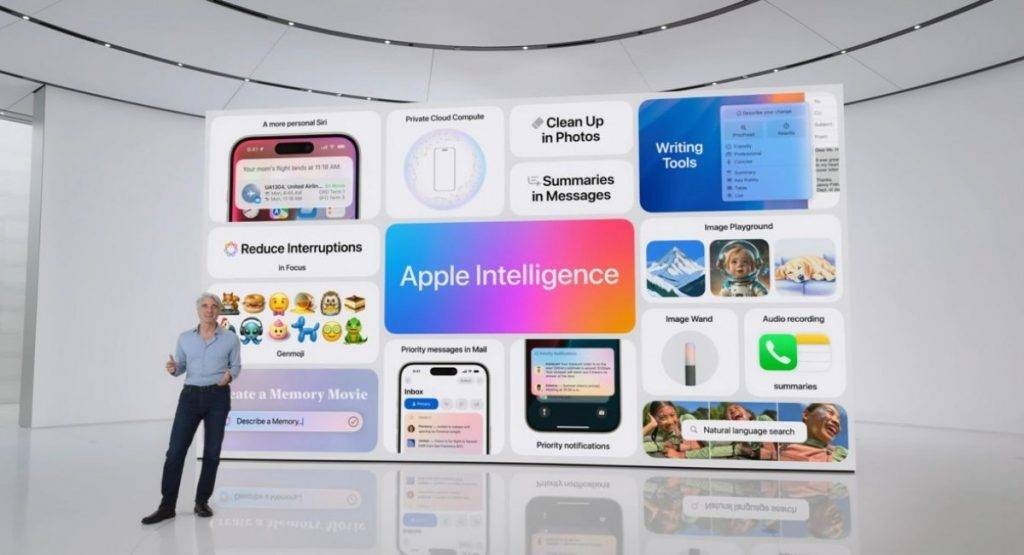
The integration of Apple Intelligence across the broader software suite is designed to streamline workflows. By utilizing the M4 and M5 chips now powering the latest iPad and MacBook Air models, the company is positioning its hardware as the primary engine for these AI tasks. This hardware-software synergy is a hallmark of Apple’s strategy, aiming to ensure that intensive AI operations do not compromise the battery life or performance that users expect from their devices. For those interested in the full scope of the company’s current lineup, more details on these advancements can be found on the official Apple website.
Navigating Global Regulatory Challenges
Despite the technical excitement surrounding the update, the availability of these features is not uniform. Reports indicate that the rollout of advanced AI capabilities will be subject to regional restrictions. This is a recurring challenge for major technology firms operating in Europe, where the Digital Markets Act and other privacy regulations impose stringent requirements on how personal data can be processed and utilized for training AI models. Consequently, users in certain regions may find that the most advanced features of the “new” Siri are delayed or unavailable at launch.
Industry analysts have noted that this creates a tiered experience for Apple’s global customer base. While the company continues to innovate in its home market, the necessity of aligning with local laws means that the global deployment of AI-powered features remains a complex, staggered process. For users, this highlights the growing influence of regulatory environments on the pace of consumer technology adoption.
What This Means for the User Experience
For the average consumer, the shift toward a more “personal” AI means that Siri will soon be better equipped to handle multi-step tasks. Instead of requiring specific, rigid phrasing, the updated assistant is intended to understand natural language nuances and provide more relevant, proactive suggestions. This is particularly relevant for managing daily schedules, surfacing documents, and interacting with third-party applications that have been optimized for the new system framework.
As the company prepares for the wider release of these updates later this year, the focus will likely remain on stability and user privacy. The integration of these features into the core operating systems suggests that Apple is banking on the idea that users will value a more helpful, intelligent assistant that operates with the same privacy protections they have come to associate with the Apple brand. Further information regarding the company’s long-term strategy and organizational structure can be found via the official corporate record.
Looking ahead, the next major checkpoint for these features will be the public release of the updated operating systems later this year. As these tools reach the hands of millions, the true test will be how well the AI performs in diverse, real-world scenarios. We will continue to monitor the situation as more information becomes available. If you have thoughts on how AI should change your digital assistant, feel free to share your perspective in the comments section below.
Worth a look