
As regional tensions in the Middle East remain volatile, recent public statements from former U.S. President Donald Trump regarding the conflict between Israel and Iran have drawn significant international attention. Trump has publicly commented on the potential for escalation, emphasizing his perspective on the diplomatic and military dynamics currently facing the administration of Israeli Prime Minister Benjamin Netanyahu.
The core of the discourse centers on the strategic positioning of the United States in the event of further military exchanges. Trump has suggested in various public remarks that his approach to the conflict would prioritize restraint, specifically indicating that he would advise against a retaliatory strike following Iranian actions. These comments arrive at a time when global leaders are closely monitoring the stability of the region and the potential for a wider, multi-front war.
The Strategic Stance of a Former President
In recent public addresses and media appearances, Donald Trump has signaled a distinct approach to the ongoing hostilities. According to reports from Sky News Arabia, the former president has indicated he would urge Prime Minister Netanyahu to refrain from escalating the conflict through direct retaliation against Iranian targets. This stance reflects a broader sentiment often expressed by the former president regarding the necessity of avoiding prolonged military engagements in the Middle East.
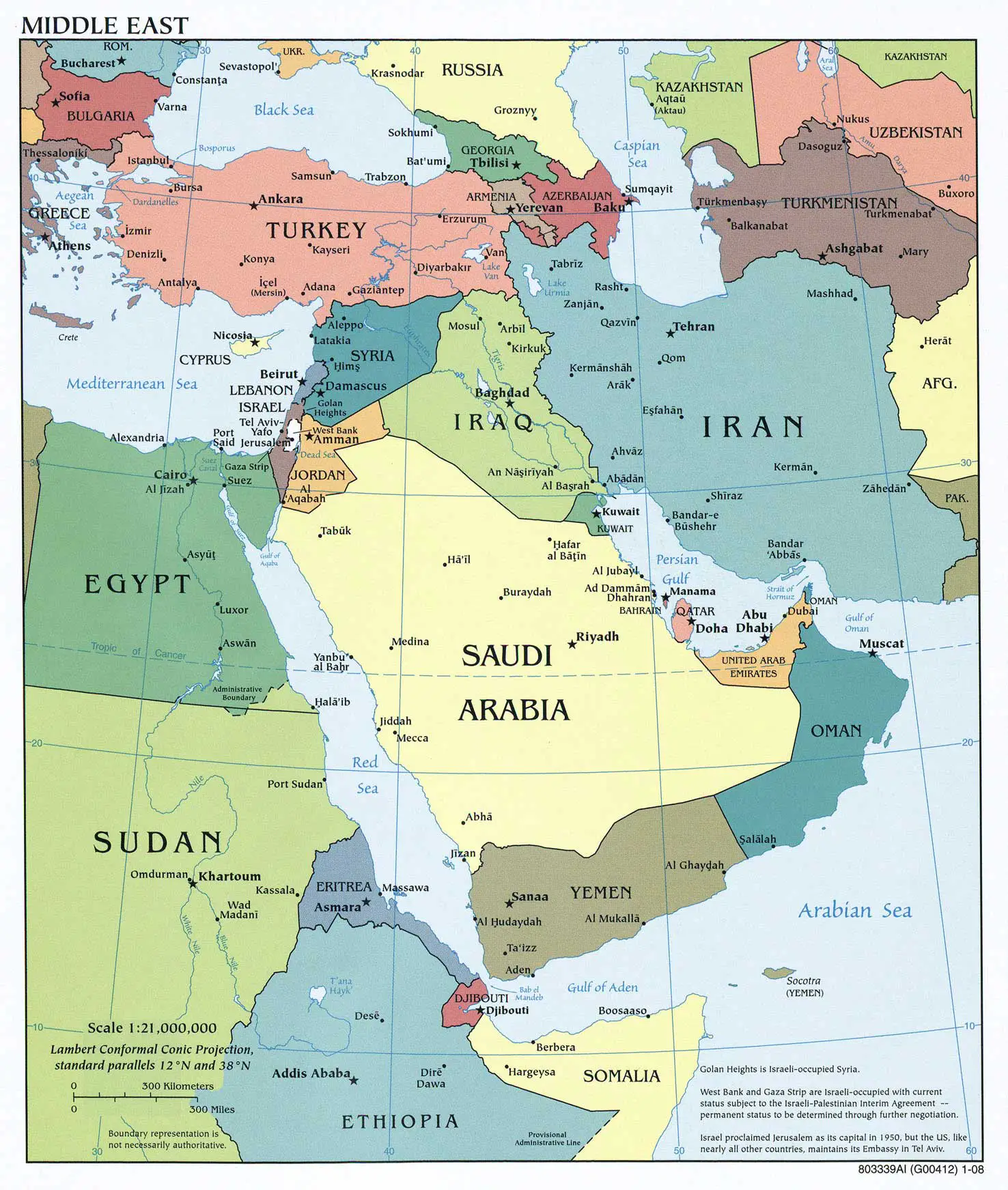
The geopolitical implications of these statements are significant, as they contrast with traditional U.S. foreign policy expectations during periods of regional crisis. Analysts at Monte Carlo International have questioned how such rhetoric might influence the decision-making processes in Jerusalem. The uncertainty surrounding whether the United States would provide support in the event of a full-scale conflict has become a central theme in global diplomatic discussions.
Diplomatic Reactions and Regional Impact
The international community, including several major world powers, has been vocal about the need for de-escalation. While the specific nature of recent private communications remains subject to various reports, the public narrative suggests that the pressure on the Israeli leadership is mounting from multiple fronts. Outlets such as CNN Arabic have highlighted the first official comments from the former president regarding the strikes, noting the gravity of the potential for a regional conflagration.
For observers, the situation remains fluid. The interplay between domestic U.S. politics and international security commitments creates a complex environment for stakeholders. As noted by sources monitoring the situation, the possibility of Israel facing a confrontation with Iran without direct U.S. military intervention—a scenario alluded to in recent commentary—has forced regional actors to recalibrate their defense strategies and diplomatic outreach.
The Path to De-escalation
The question of how peace might be achieved remains elusive. In comments reported by Elaph, Trump has suggested that the success of any peace agreement is often hindered by external interference or a lack of strategic clarity, using strong language to describe the obstacles to regional stability. This perspective underscores a belief that traditional diplomatic frameworks may be insufficient under current conditions.

As the international community awaits further developments, the focus remains on the next series of official statements from both Washington and Jerusalem. With the situation evolving daily, there are no immediate scheduled summits or public hearings that have been confirmed to address these specific warnings. However, diplomatic observers expect that the upcoming weeks will involve intense behind-the-scenes negotiations to prevent a miscalculation that could lead to a broader regional war.
We invite our readers to share their perspectives on these developments in the comments section below. As this story continues to unfold, we will provide updates based on verified official reports and statements from the involved governments.
Keep reading