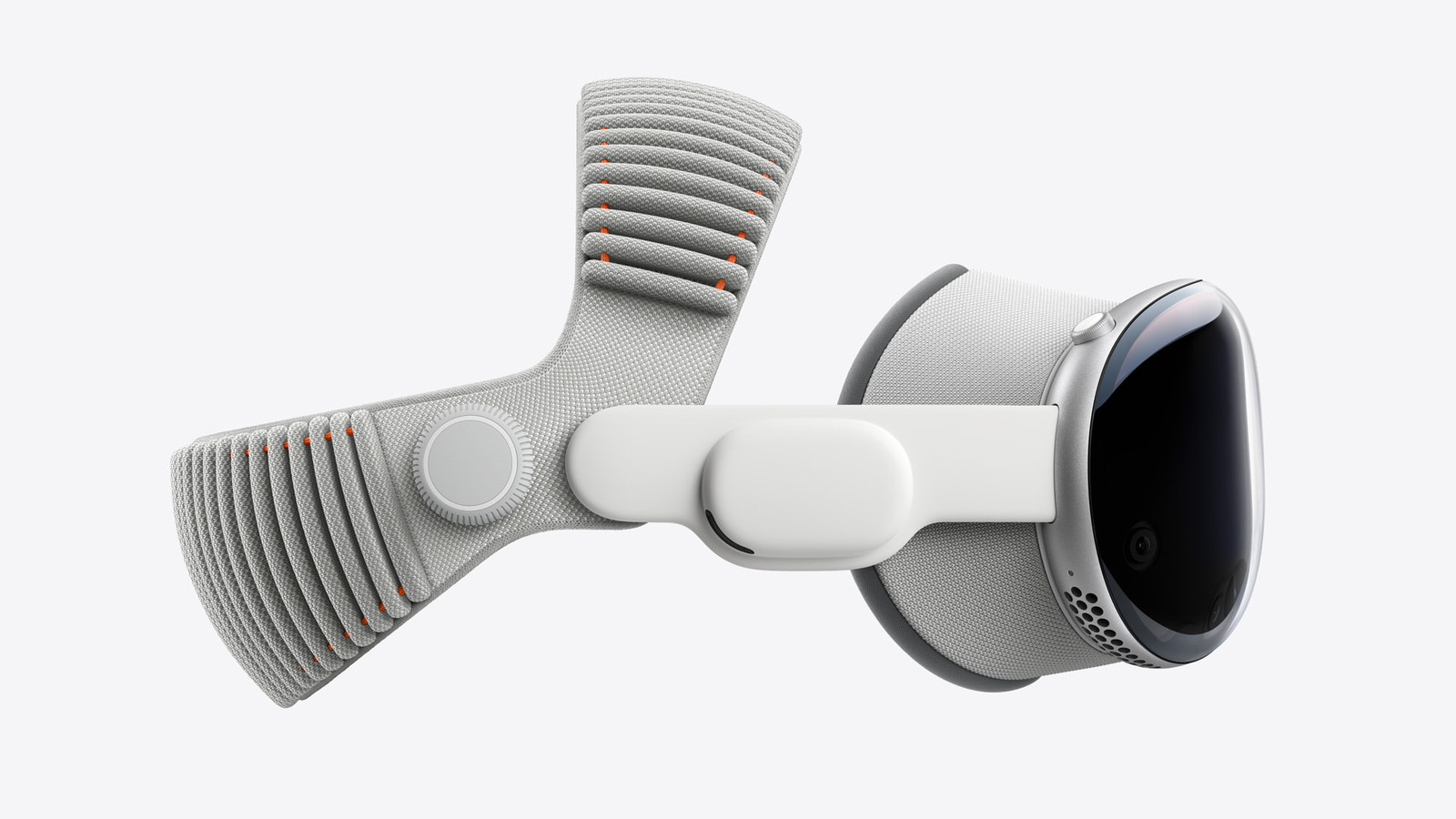
Dan Riccio, the Apple executive who has overseen the development of the Vision Pro headset, is reportedly preparing to transition to OpenAI to lead a new hardware-focused division. While neither Apple nor OpenAI has issued a formal confirmation regarding the move, reports from technology industry observers suggest the transition marks a significant shift in talent between the two Silicon Valley giants.
Riccio, a long-serving Apple veteran, has held the title of vice president of engineering and has been instrumental in the company’s push into spatial computing. According to Bloomberg, Riccio is expected to join the artificial intelligence company to help build its first consumer hardware products, signaling OpenAI’s intention to expand beyond software and large language models.
The Career Path of a Hardware Veteran
Riccio’s tenure at Apple spans over two decades, during which he played a central role in shaping some of the company’s most recognizable hardware. Before leading the Vision Pro project, he served as the senior vice president of Hardware Engineering, overseeing the development of various iterations of the iPhone, iPad, and Mac. His leadership during the transition to Apple Silicon, the company’s proprietary chip architecture, is widely cited as a benchmark in modern consumer electronics engineering.
His move toward OpenAI comes at a time when the AI firm is increasingly seeking to integrate its software capabilities directly into physical devices. OpenAI, led by CEO Sam Altman, has previously explored hardware partnerships, including collaborations with former Apple design chief Jony Ive on potential AI-focused devices. By recruiting a figure with Riccio’s specific expertise in managing complex, high-stakes product launches, OpenAI appears to be internalizing the hardware development process.
What This Means for the Vision Pro
The Apple Vision Pro, which launched in the United States in February 2024, represents Apple’s first major foray into the augmented and virtual reality market, as noted in the company’s official launch documentation. Riccio has been the primary executive responsible for the headset’s roadmap and engineering execution since the project’s inception. His departure, if finalized, leaves a leadership gap in the Vision Products Group, which continues to work on future iterations of the headset and potential lower-cost models.
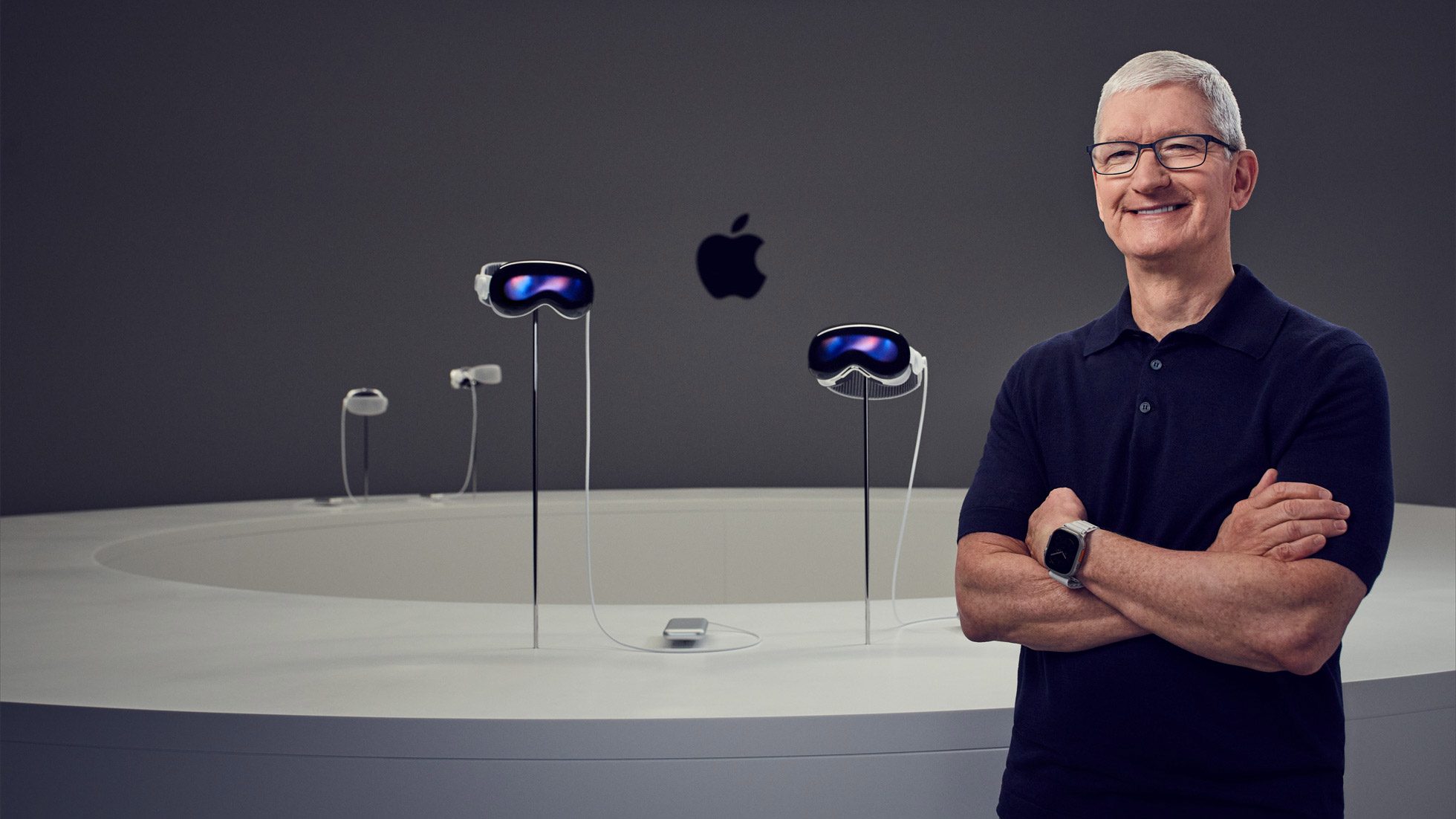
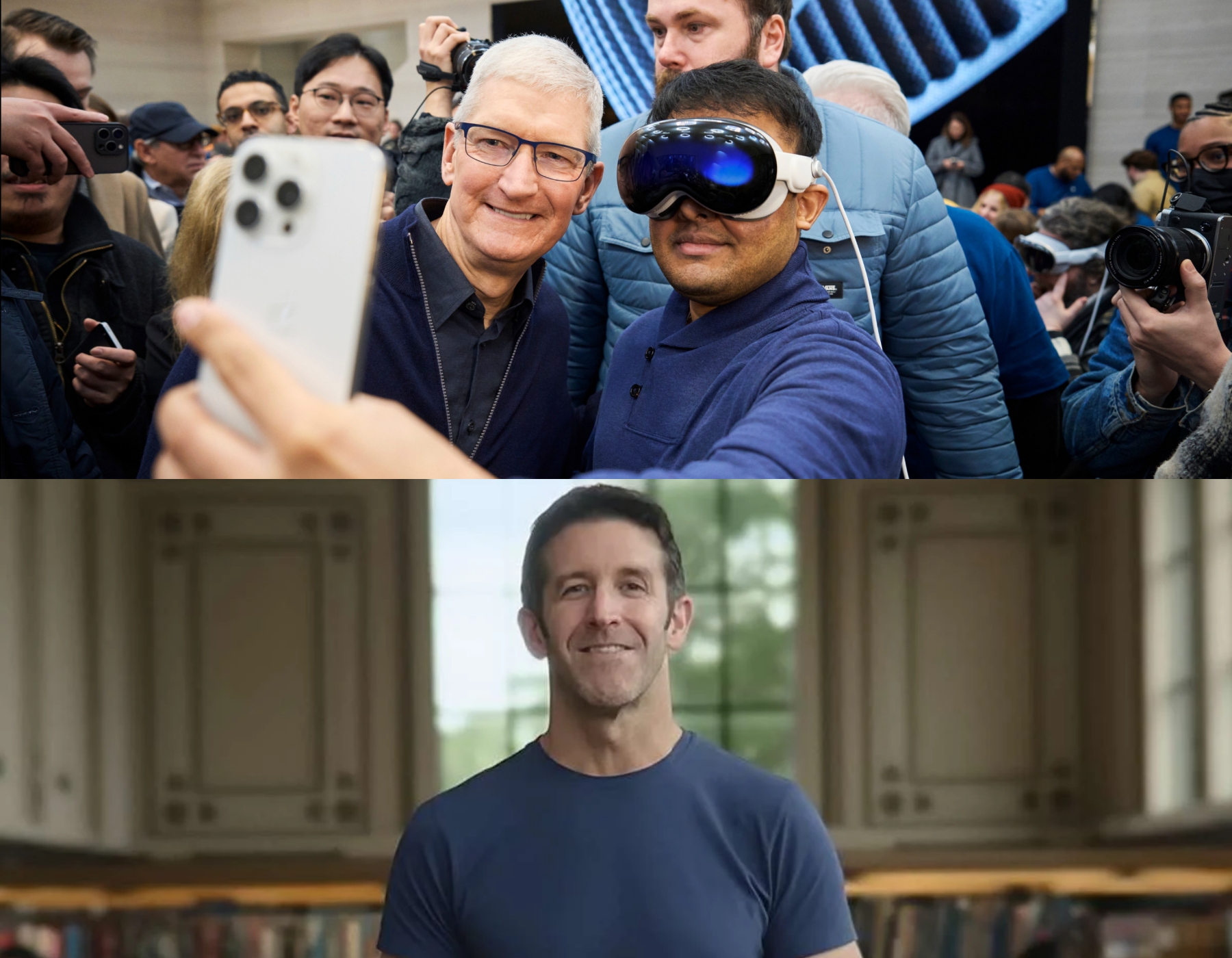
Industry analysts have pointed out that while leadership changes are common in large technology firms, the loss of an executive so deeply tied to a flagship product can create significant internal shifts. Apple has not yet announced a successor for Riccio’s specific role within the Vision Pro division. The company’s hardware engineering efforts are currently led by John Ternus, who succeeded Riccio in the broader hardware role in 2021.
OpenAI’s Strategic Pivot to Hardware
For OpenAI, hiring a veteran like Riccio is a strategic move to address the physical limitations of AI software. While the company has successfully scaled its ChatGPT platform, hardware integration allows for more seamless, real-time interactions between users and AI models. This mirrors a broader industry trend where major AI companies are attempting to secure their own hardware ecosystems to reduce reliance on third-party manufacturers.
The integration of specialized hardware could also allow for more efficient processing of AI tasks, potentially reducing the latency associated with cloud-based model execution. As OpenAI continues to compete with tech giants like Google and Meta, the ability to deliver proprietary devices could provide a distinct competitive advantage in the consumer market.
Industry Implications and Next Steps
The technology sector is closely watching this transition as a barometer for how AI companies plan to scale their operations. If OpenAI successfully establishes a dedicated hardware division under Riccio’s leadership, it may trigger a broader wave of recruitment of hardware engineers from traditional Silicon Valley firms.
As of late November 2024, neither Apple nor OpenAI has provided a timeline for when Riccio would officially depart or start his new role. The next public indication of this shift will likely come through official corporate filings or executive announcements from either company. Until then, observers continue to monitor Apple’s upcoming quarterly earnings reports and product roadmap updates for any changes in leadership structure or strategic focus regarding the Vision Pro line.
What are your thoughts on the shift toward AI-integrated hardware? Share your perspective in the comments below.