Apple has not released a commercial version of an Apple Watch with non-invasive blood sugar tracking, and the company has provided no official timeline for such a feature. While persistent industry reports and public patent filings indicate that Apple is researching optical sensor technologies for glucose monitoring, the hardware remains in an experimental phase and has not received regulatory approval from the U.S. Food and Drug Administration (FDA) or global health authorities.
The pursuit of non-invasive glucose monitoring is a significant engineering challenge that has occupied Apple’s internal teams for more than a decade. According to reporting from Bloomberg, the project—internally code-named “E5″—aims to use silicon photonics and optical absorption spectroscopy to measure glucose levels through the skin without drawing blood. Unlike current continuous glucose monitors (CGMs) that require a small filament inserted under the skin, Apple’s proposed system seeks to utilize lasers to shine light into the interstitial fluid to determine glucose concentrations.
The Technical Hurdle of Non-Invasive Sensing
The primary barrier to bringing blood sugar tracking to the Apple Watch is the extreme sensitivity required for medical-grade accuracy. Measuring glucose levels non-invasively involves detecting minute changes in light absorption caused by glucose molecules, which are often obscured by other biological “noise” like skin temperature, sweat, and variations in skin thickness.
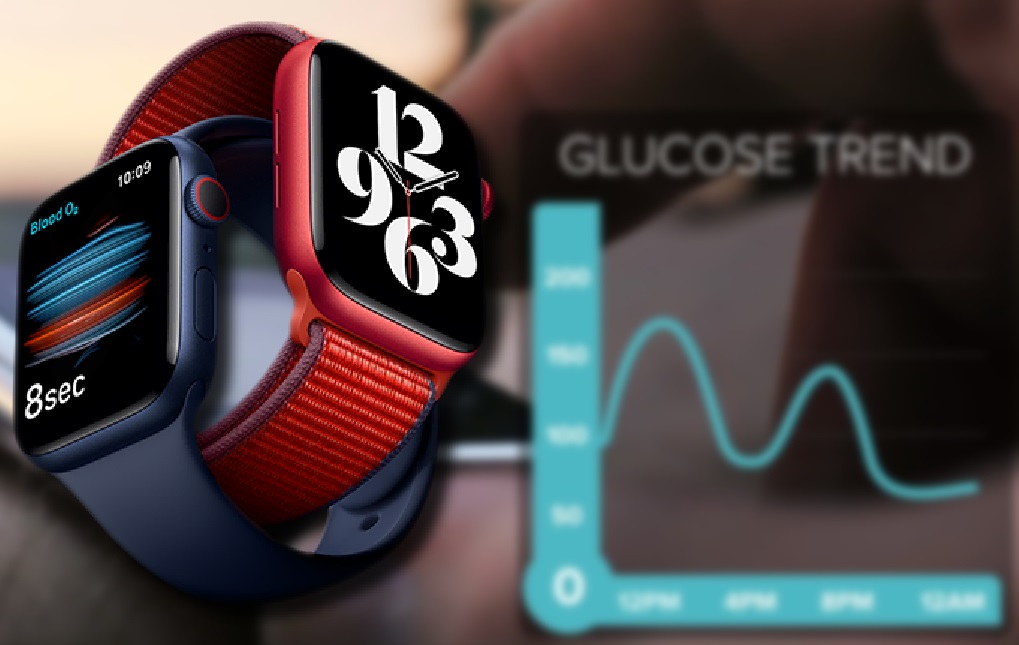
In the field of medical device development, achieving clinical accuracy is a high bar. The U.S. Food and Drug Administration has explicitly warned consumers against using any smartwatch or smart ring that claims to measure blood glucose without piercing the skin, noting that these devices have not been reviewed for safety or effectiveness. Apple’s internal research must meet these stringent regulatory standards before the company can market the feature as a health tool for diabetes management.
Patent Activity and Development Milestones
Apple frequently files patents related to sensor technology, which often leads to speculation regarding near-term product features. The U.S. Patent and Trademark Office has published numerous applications from Apple describing techniques for non-invasive analyte monitoring. These filings detail complex hardware configurations, including light sources, photodetectors, and signal processing algorithms designed to isolate glucose signals.
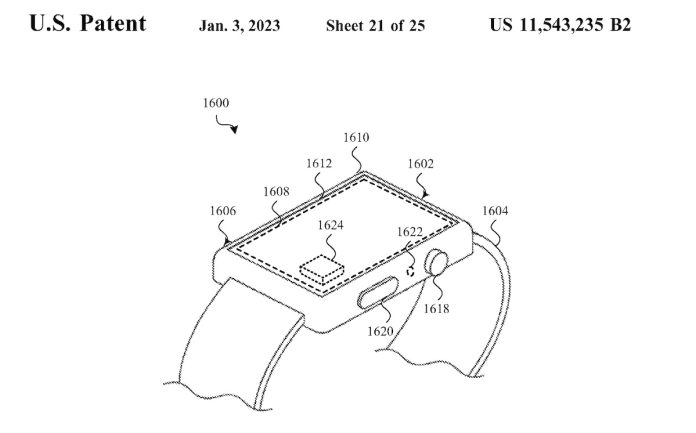
However, industry analysts emphasize that patent filings are not a roadmap for product releases. Many technologies described in patents remain in the research and development pipeline for years, or are eventually discarded if they fail to meet the company’s internal performance metrics. Apple has successfully shrunk the size of the necessary sensor components over recent years, but the current challenge involves integrating this hardware into the compact chassis of an Apple Watch without compromising battery life or design aesthetics.
Current Health Capabilities of Apple Watch
While blood sugar tracking remains unavailable, the Apple Watch has expanded its health suite to include several other FDA-cleared or verified features. Users currently rely on the device for heart rate monitoring, blood oxygen saturation (SpO2) readings, and electrocardiogram (ECG) functionality. These features are supported by established sensor technologies that have been refined over multiple generations of the product.
For individuals with diabetes who currently use the Apple Watch, the device is limited to acting as a secondary display for existing medical devices. Many third-party CGMs—such as those manufactured by Dexcom—already integrate with the Apple Watch, allowing users to view real-time glucose data on their wrist. This integration relies on a transmitter and a sensor worn on the body, which communicates with the watch via an iPhone.
What Happens Next
There is no announced date for the launch of glucose tracking on any Apple wearable. As of mid-2024, the company’s public health initiatives remain focused on improving existing metrics and expanding the availability of current features in international markets. Future updates regarding the E5 project will likely emerge through Apple’s regulatory filings or official product announcements during major keynote events.

Readers interested in the latest developments are encouraged to monitor official press releases from Apple and updates from health regulatory bodies like the FDA. If you have questions about managing diabetes or the current state of consumer health technology, consider consulting with a healthcare professional or reviewing the latest guidance provided by the American Diabetes Association.
Related reading
- Facebook: Comunicador niega vínculo con irregularidades tras operativo policial
- Arthropod Fertilization Relies on Sperm Teamwork Rather Than Competition
- Apple Details Siri AI Compatible Devices Across iPhone, iPad, and Mac (archyworldys.com)
- Apple TV Passes on ‘The Bonfire of the Vanities’ Series (archynewsy.com)