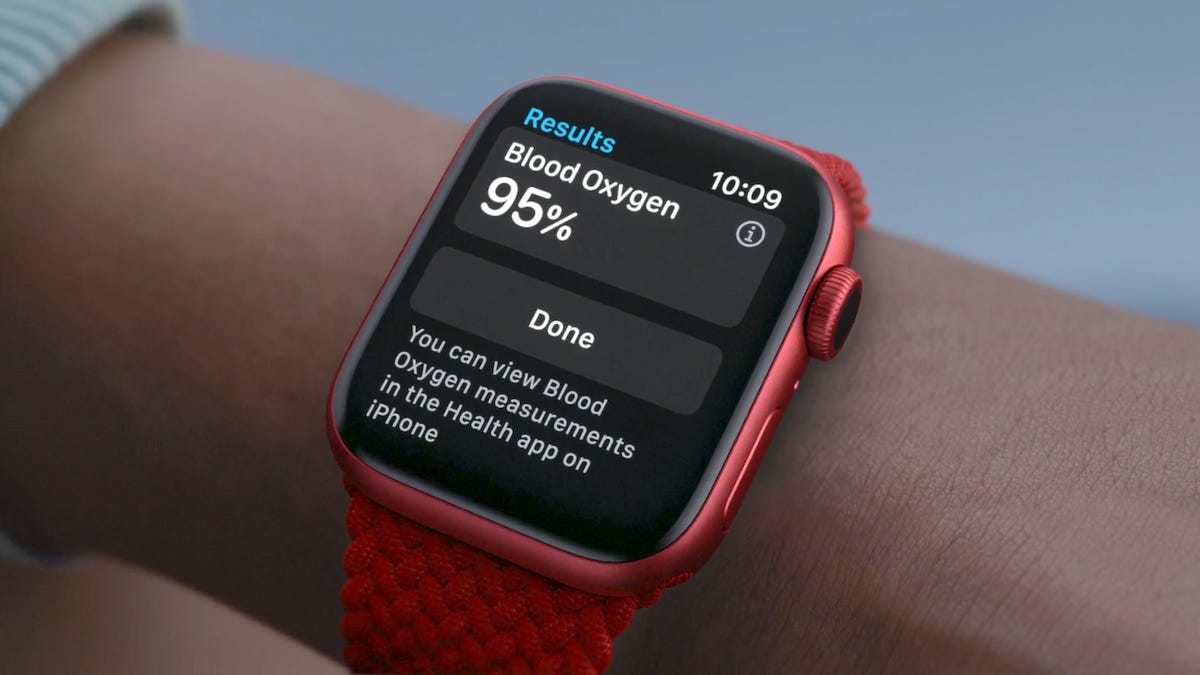
For years, Apple Watch users in the United States have been unable to access one of the device’s most anticipated health features: blood oxygen monitoring. The functionality, which measures blood oxygen saturation (SpO2), was first introduced with the Apple Watch Series 6 in 2020 but was later disabled on certain models due to an ongoing patent dispute with medical technology company Masimo. Now, after a prolonged legal battle, recent developments suggest the feature may soon be restored to affected Apple Watch models sold in the U.S.
The core of the conflict centers on allegations that Apple’s blood oxygen sensing technology infringed on patents held by Masimo, a company specializing in noninvasive patient monitoring technologies. In January 2023, the U.S. International Trade Commission (ITC) ruled that Apple had violated Masimo’s patents, leading to an import ban on specific Apple Watch models, including the Series 9 and Ultra 2, effective December 2023. To comply with the ruling, Apple disabled the blood oxygen sensor on those devices while continuing to sell them in the U.S. Market.
But, Apple subsequently redesigned the feature, shifting much of the processing to the paired iPhone in an effort to circumvent the ban. This adjusted version was reviewed by U.S. Customs and Border Protection, which determined it did not infringe on Masimo’s patents and allowed the updated watches to be imported and sold with the blood oxygen function active. Masimo challenged this decision, arguing that the redesign still fell under the original exclusion order.
In March 2024, an ITC Administrative Law Judge issued an initial determination that Apple’s redesigned blood oxygen feature did not violate Masimo’s patents. This finding was later affirmed by the U.S. Court of Appeals for the Federal Circuit. Despite this, Masimo petitioned the full ITC to review the judge’s ruling and potentially reinstate the import ban.
On April 17, 2026, the ITC announced it would not review the Administrative Law Judge’s finding, effectively closing the case. As reported by 9to5Mac, this decision means the legal path is now clear for Apple to continue selling Apple Watch models in the U.S. With the redesigned blood oxygen sensing feature enabled. The ruling also indicates that Masuo’s efforts to revive the import ban have been unsuccessful at this stage.
While the original version of the blood oxygen sensor remains subject to the earlier exclusion order and cannot be used in Apple Watches sold in the U.S., the redesigned implementation — which relies on data from the watch but processes it on the iPhone — has been deemed compliant with current rulings. Users who purchase compatible Apple Watch models in the U.S. May now see the blood oxygen readings appear directly in the Health app on their iPhone, rather than on the watch face itself, depending on how Apple implements the feature moving forward.
This outcome represents a significant development in one of the most closely watched intellectual property disputes in the wearable technology sector. For consumers, it means renewed access to a health metric that can be useful in monitoring respiratory wellness, fitness recovery and acclimatization to high altitudes. Although blood oxygen tracking is not a diagnostic tool and should not replace medical advice, it remains a popular feature among users interested in holistic health insights.
Apple has not yet announced a specific date for when the feature will be fully restored across all affected models, nor has it detailed whether future software updates will enable the measurement to appear directly on the Apple Watch display. However, the cessation of legal challenges from Masimo at the ITC level removes a major barrier to broader implementation.
As of now, there are no scheduled hearings or further appeals related to this specific ITC case. Users seeking updates are advised to monitor official Apple software release notes and statements from the U.S. International Trade Commission for any future developments.
If you’ve followed this story or have thoughts on how wearable health features should balance innovation with intellectual property rights, we invite you to share your perspective in the comments below. Feel free to share this article with others who may be interested in the intersection of technology, health, and law.