
Apple’s 2026 Worldwide Developers Conference (WWDC) focused heavily on artificial intelligence, marking a pivot toward generative models integrated into the Siri voice assistant. While the event confirmed long-standing industry speculation regarding an AI-centric roadmap, users and developers have noted significant limitations in how these new intelligence features interact with third-party applications. The shift represents Apple’s attempt to modernize its ecosystem, though the current implementation reveals a fragmented landscape for app-based AI functionality.
The conference, held in June 2026, served as the primary venue for Apple to detail its strategy for competing with integrated AI assistants from rivals like Google and Microsoft. According to official company statements, the focus remains on on-device processing to maintain user privacy, a core tenet of Apple’s marketing. However, the reliance on proprietary frameworks has led to what some analysts describe as a “walled garden” approach to AI, leaving developers to reconcile their own software with Siri’s specific, and sometimes restrictive, capabilities.
The Evolution of Siri and AI Integration
Apple’s primary announcement at WWDC 2026 centered on the integration of advanced language models directly into the iOS and macOS operating systems. By moving beyond simple command-and-control tasks, the updated Siri is designed to handle context-aware requests and complex multi-step workflows. This transition reflects the broader industry move toward Large Language Models (LLMs) that prioritize natural language understanding over keyword-based triggers.
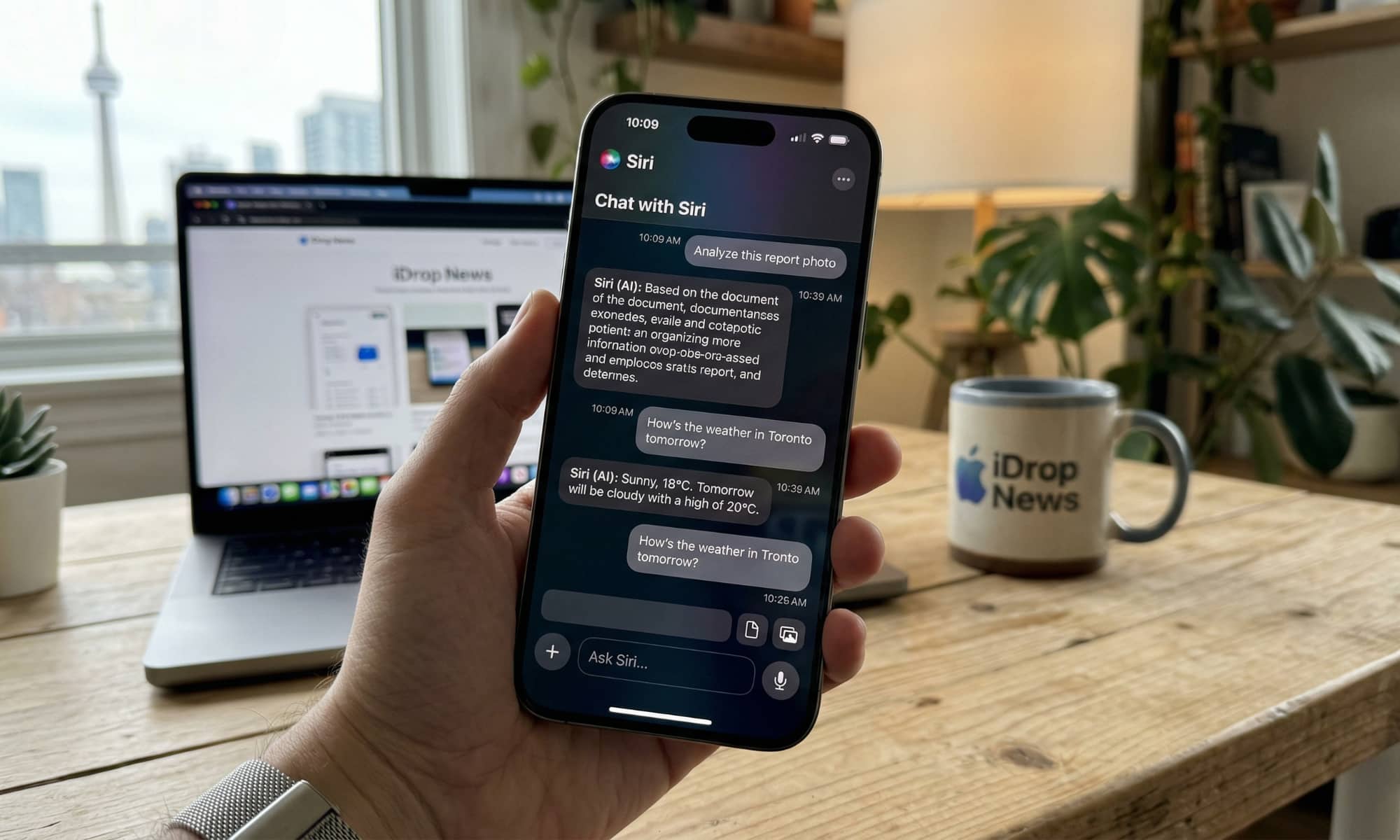
Despite the technical advancements, the experience remains inconsistent for users who rely on non-Apple software. Reports from the developer community indicate that while Siri can now summarize information and draft responses, its ability to execute deep-level actions within third-party apps remains limited. According to documentation provided by Apple for developers, integration requires specific API implementations that have not yet been widely adopted across the App Store ecosystem. This gap forces users to toggle between native Apple apps, which offer full AI support, and third-party alternatives that often lack the same level of contextual awareness.
Evaluating the App-Based Gaps
The “painful gaps” cited by early testers often stem from a lack of interoperability between Siri’s new engine and existing application sandboxes. When an application does not natively support Apple’s latest intent-handling frameworks, the AI is effectively unable to retrieve data from or perform tasks within that app. This creates a functional divide where the assistant works seamlessly with Mail or Notes but fails to execute commands for third-party productivity tools.
This limitation is not merely a technical hurdle but a strategic decision by Apple to prioritize quality control and security. By mandating that developers use specific, vetted tools for AI integration, Apple maintains a consistent user experience. However, this approach slows the pace of innovation for independent developers who must rewrite core functionalities to align with the new Siri requirements. Industry analysts at Gartner have previously noted that such platform-specific constraints are common in the early stages of major OS architectural shifts, as companies balance ecosystem control with the need for third-party developer participation.
What Comes Next for Developers
The software development cycle for the remainder of 2026 will likely be defined by how quickly third-party developers can bridge these AI blindspots. Apple has scheduled subsequent engineering workshops and documentation updates through the Apple Developer Portal to assist teams in integrating the new AI frameworks. These sessions are intended to provide the necessary guidance for implementing App Intents, which allow Siri to better interact with user data inside individual applications.
For the average user, the true test of these features will arrive with the public release of the operating system updates later this year. Until then, the disconnect between system-wide AI capabilities and app-specific functionality remains the primary point of friction. As Apple continues to iterate on its AI architecture, developers are expected to monitor the company’s official communications for further changes to the API structure. Those interested in the latest technical specifications should regularly check the official Apple release notes for updates on Siri’s expanded capabilities.
What has been your experience with the latest Siri updates in the developer betas? Join the conversation in the comments section below to share how these changes are impacting your daily workflow.
Keep reading