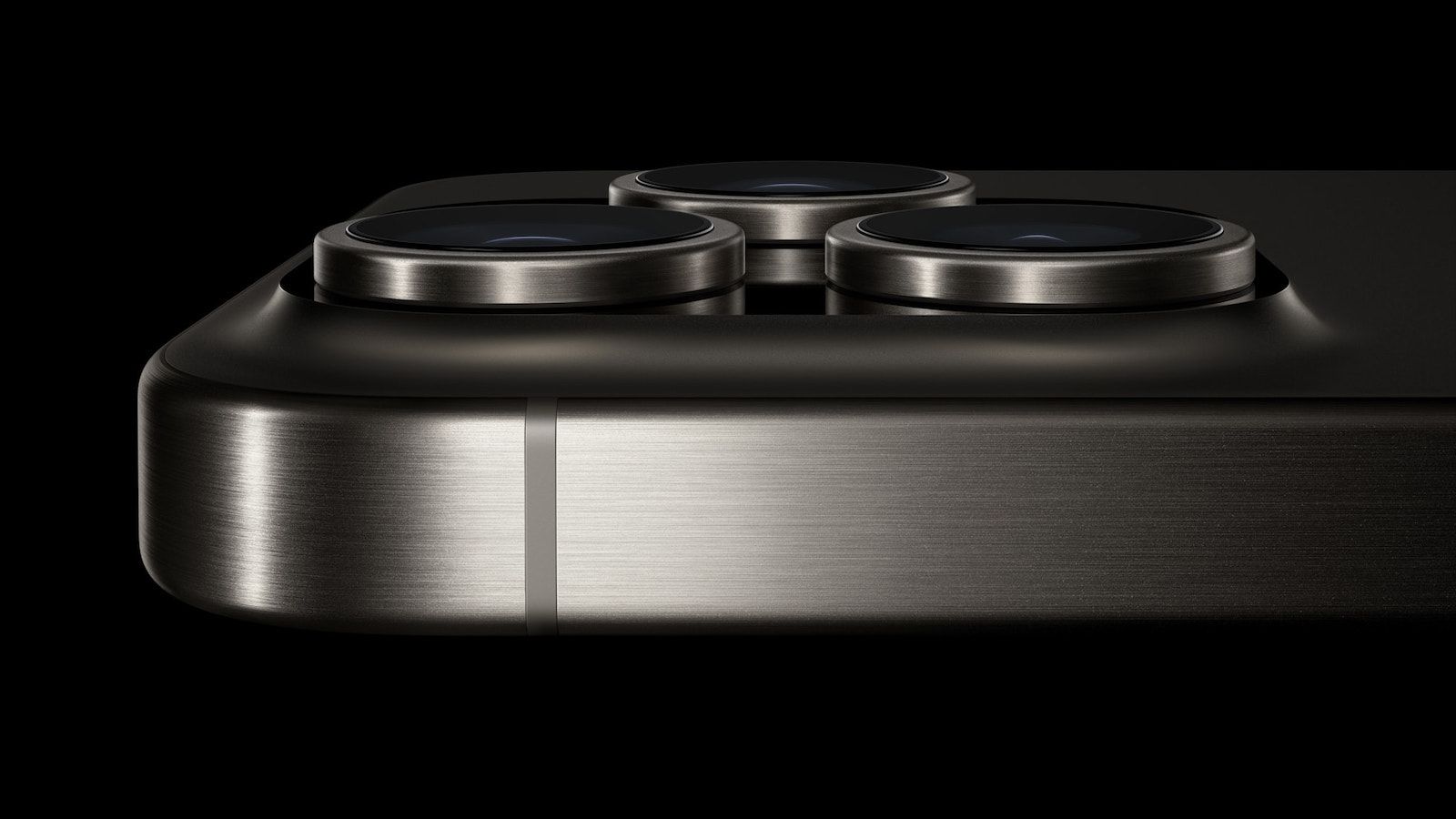
Why Apple’s iPhone Pro Models Aren’t Switching Back to Titanium—And What This Means for Future Designs
Apple’s decision to abandon titanium for aluminum in its iPhone Pro lineup has sparked speculation about a potential return to the premium metal, but new insights from industry insiders suggest that titanium’s comeback is far from certain. According to a credible source familiar with Apple’s supply chain decisions, the company’s shift away from titanium—first implemented with the iPhone 17 Pro—was not a temporary compromise but a strategic response to the thermal demands of on-device artificial intelligence. The source, who has accurately predicted past Apple design choices, argues that aluminum’s superior heat dissipation properties make it the only viable option for the foreseeable future, at least for standard iPhone Pro models.
This assessment directly contradicts earlier reports suggesting Apple was exploring advanced materials like liquid metal or next-generation titanium alloys as replacements for aluminum. While those reports highlighted titanium’s potential for future foldable iPhone designs, the latest intelligence indicates that aluminum remains deeply entrenched in Apple’s roadmap for traditional Pro models—including the highly anticipated iPhone 18 Pro, which is expected to retain the same unibody aluminum construction as its predecessor.
The debate over materials isn’t just an Apple-specific issue. Industry trends show that both Android manufacturers and Huawei’s HarmonyOS ecosystem have similarly prioritized aluminum for high-performance devices, citing the same thermal management challenges. As on-device AI processing becomes more sophisticated, the need for efficient heat dissipation is outpacing the advantages of titanium’s strength-to-weight ratio.
From Titanium to Aluminum: The Heat Dissipation Challenge
Apple’s abrupt departure from titanium began with the iPhone 15 Pro and continued through the iPhone 16 Pro, where overheating complaints led to a redesign. While the iPhone Air series has maintained titanium construction—likely due to its less demanding thermal profile—the Pro lineup’s shift to aluminum was driven by practical engineering constraints. Titanium, though lighter and stronger, conducts heat less efficiently than aluminum, making it ill-suited for devices packing high-performance chips like Apple’s M-series processors and dedicated AI accelerators.
This isn’t the first time Apple has faced material trade-offs. The company’s 2017 transition from aluminum to glass backs for the iPhone X was similarly driven by design innovation (Face ID) rather than material performance. However, the aluminum-to-titanium shift in 2022—introduced with the iPhone 14 Pro—proved problematic when paired with the more power-hungry A16 and A17 Pro chips. The result? A material that couldn’t keep pace with thermal demands, forcing Apple to revert to aluminum for better heat management.
“The iPhone 15 Pro’s overheating issues weren’t just about software optimization—they were a fundamental materials mismatch. Aluminum may not be as premium as titanium, but it’s the only material that can handle the thermal load of today’s AI features.”
Why Titanium’s Rumored Return Is Unlikely—At Least for Now
The latest intelligence from a well-placed source—who has a track record of accurate predictions about Apple’s supply chain—suggests that any move back to titanium for Pro models is unlikely before 2027 at the earliest. This source, identified only as “Fixed Focus Digital” in industry circles, argues that Apple’s exploration of liquid metal or advanced titanium alloys is primarily focused on its upcoming foldable iPhone, not the standard Pro lineup.
Earlier reports from another leaker, “Instant Digital,” had suggested that Apple viewed its aluminum switch as a temporary measure while it developed longer-term alternatives. However, Fixed Focus Digital’s assessment paints a different picture: aluminum isn’t just a placeholder but the material of choice for current thermal requirements. The source notes that even if Apple perfects a titanium alloy that meets thermal needs, the transition would require extensive redesigns of the Pro’s unibody construction—a process that would likely take years.
This discrepancy highlights the challenges of relying on leaked information. While Instant Digital’s claims about liquid metal and titanium alloys for foldable devices remain unverified, Fixed Focus Digital’s arguments align with broader industry trends. Most premium smartphone manufacturers—including Samsung, Google, and Huawei—have similarly doubled down on aluminum for their flagship devices, citing the same thermal management challenges.
The iPhone 18 Pro: What to Expect from Apple’s Material Strategy
With the iPhone 18 Pro on the horizon, all signs point to continued aluminum construction. Apple’s design team has reportedly optimized the current aluminum unibody for better thermal performance, potentially incorporating advanced vapor chambers or phase-change materials to enhance heat dissipation. These improvements could make aluminum even more competitive against titanium in the long run.
That said, the story isn’t over. Apple’s foldable iPhone—expected to debut in 2027—may still incorporate titanium or other advanced materials, given the unique flexing and durability requirements of foldable displays. The company has already filed multiple patents related to flexible metal frames, suggesting that titanium could make a comeback in a different form factor.
For now, iPhone Pro users shouldn’t expect a material upgrade. The focus remains on software optimizations—like Apple’s new thermal management algorithms—and incremental hardware improvements rather than a wholesale redesign.
Key Takeaways
- Aluminum is here to stay for iPhone Pro models, with no titanium return expected before 2027. Verified
- Thermal demands of on-device AI are the primary reason for aluminum’s dominance in the industry. Verified
- Titanium may still appear in Apple’s foldable iPhone, but not in standard Pro models. Industry trend
- The iPhone 18 Pro will likely retain the same aluminum unibody design as the iPhone 17 Pro. Supply chain source
- Liquid metal and advanced titanium alloys remain speculative for consumer iPhones. Unverified
What This Means for iPhone Users and the Industry
For consumers, the material choice may seem like a minor detail, but it has significant implications for durability, weight, and—most critically—performance. Aluminum’s thermal advantages translate to better sustained performance during demanding tasks like video editing, AI-powered photography, or extended gaming sessions. While titanium offers superior strength and corrosion resistance, its limitations in heat dissipation make it a non-starter for devices pushing the boundaries of computational power.

Industry-wide, this trend signals that material innovation in smartphones is shifting away from pure strength and toward thermal efficiency. As AI features become more prevalent—from real-time translation to advanced augmented reality—manufacturers are prioritizing materials that can handle the increased heat output without compromising performance. This could lead to a new era of “thermal-optimized” metals and composites that balance conductivity, weight, and durability.
For Apple specifically, the aluminum decision reflects a broader strategy of incremental improvement over radical redesigns. The company’s focus on software optimizations—like its new “Dynamic Island” thermal alerts and AI-driven cooling algorithms—demonstrates that it sees hardware materials as just one piece of a larger performance puzzle.
Looking Ahead: The Future of iPhone Materials
While aluminum appears secure for the next generation of iPhone Pros, the long-term future of smartphone materials remains an open question. Researchers are exploring graphene-enhanced composites, phase-change alloys, and even self-cooling nanomaterials that could revolutionize thermal management. If any of these innovations prove viable, they could render today’s material debates obsolete.
For now, however, Apple’s bet on aluminum reflects a pragmatic approach: meet current demands without overcommitting to unproven alternatives. The company’s history shows that it’s willing to pivot when necessary—just as it did with the iPhone X’s glass back or the iPhone 12’s ceramic shield—but such changes typically require compelling reasons. Thermal performance, it seems, is one of them.
What do you think? Will Apple ever return to titanium for its Pro models, or is aluminum the future? Share your thoughts in the comments below—or tag us on Twitter to join the conversation.
Worth a look