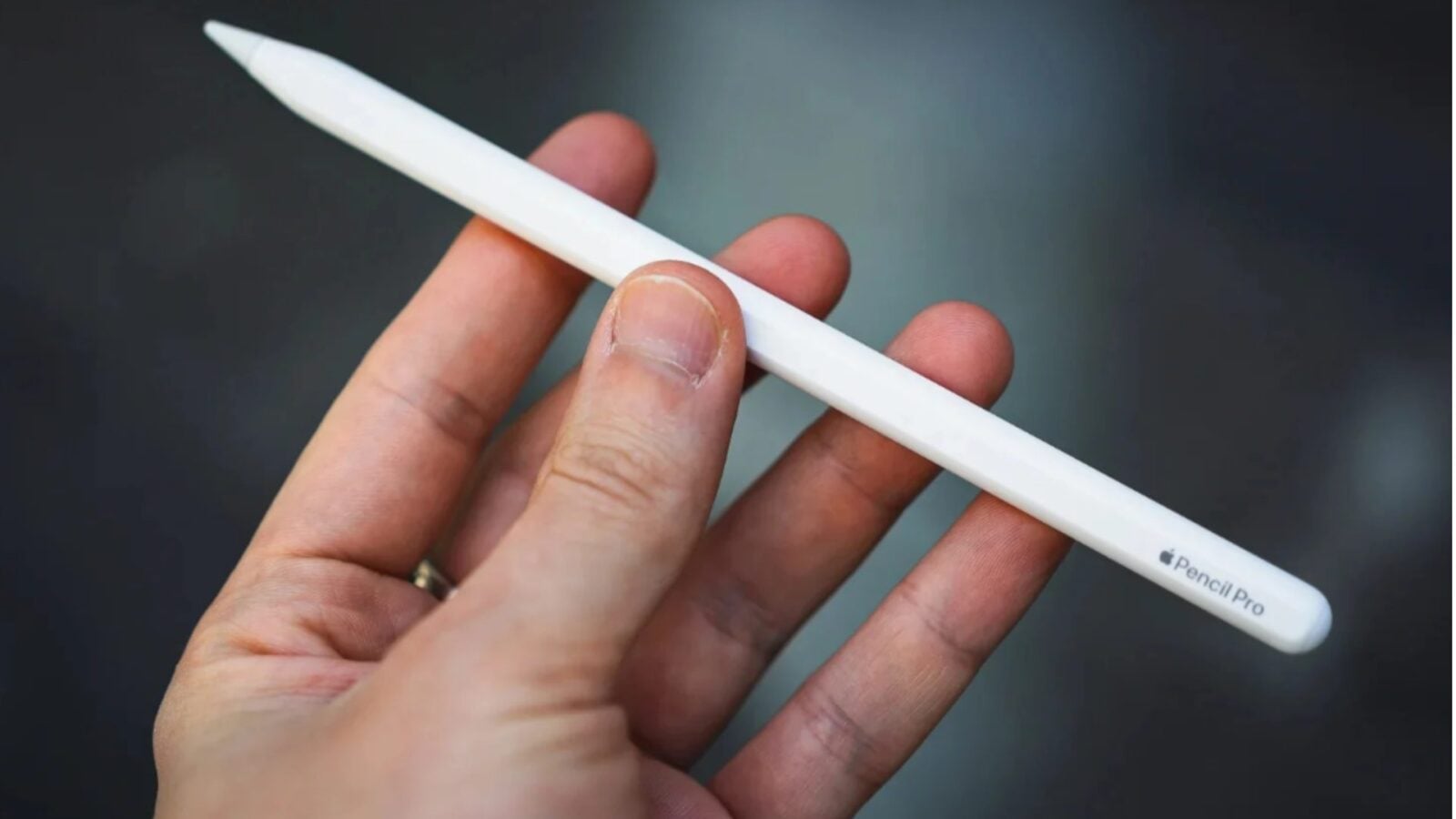
As the spatial computing landscape continues to evolve, recent intellectual property filings suggest that Apple is exploring new ways to bridge the gap between digital content and tactile reality. The tech giant is currently investigating the development of a specialized stylus, often referred to as a new Apple Pencil, specifically designed to interface with the Apple Vision Pro headset.
For users who rely on precision input for design, digital illustration, or complex data manipulation, the current reliance on eye-tracking and gesture control represents a shift from traditional workflows. By researching a peripheral that offers sophisticated haptic feedback, Apple appears to be addressing the inherent challenge of “air-drawing” in a virtual environment, where the absence of physical resistance can make fine motor tasks feel disconnected or imprecise.
This pursuit of a next-generation input device is highlighted in recent patent documentation, which outlines a system capable of modulating haptic sensations. According to these filings, the technology aims to simulate, adjust, or completely negate physical sensations such as surface friction, texture, or even the subtle grain of a digital canvas. This level of sensory feedback is a significant departure from the static vibration motors found in most consumer electronics today.
Engineering the Sensation of Touch in Virtual Spaces
The core of this research involves an advanced haptic engine that acts as a bridge between the user’s hand and the virtual object being manipulated. In traditional computing, a stylus provides resistance simply because it is physically touching a screen. In a spatial computing environment like visionOS, that physical constraint is absent. Apple’s approach, as detailed in recent United States Patent and Trademark Office (USPTO) filings, explores how electromagnetic or mechanical actuators could replicate these missing signals.
By effectively “tricking” the human nervous system through precise, high-frequency vibrations, the stylus could theoretically convince a user that they are dragging a pen across thick paper, sliding a tool over smooth glass, or navigating a rugged, uneven surface. This is not merely about vibration; it is about the dynamic modulation of resistance. If a user is “painting” in a virtual workspace, the device could increase tension as the virtual brush hits a thicker layer of “paint,” providing a level of immersion that current gesture-based controls cannot replicate.
Why Spatial Computing Demands New Input Tools
While the Apple Vision Pro is celebrated for its intuitive eye and hand-tracking system, power users in creative fields—such as 3D modelers, CAD designers, and digital artists—often cite the need for high-fidelity input tools. The current gesture system is excellent for navigating menus and consuming media, but it lacks the sub-millimeter precision required for professional-grade creative work.
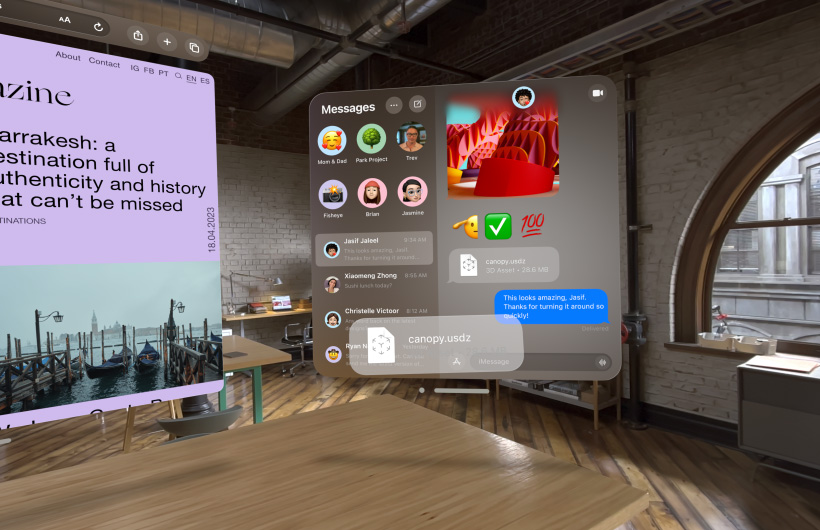
From an engineering perspective, the challenge is twofold: latency and calibration. For haptic feedback to be convincing, the delay between the virtual interaction and the tactile response must be imperceptible. The device must be able to map these sensations accurately against the spatial coordinates calculated by the headset’s array of cameras and sensors. As noted by industry analysts, the integration of such a device would significantly lower the barrier to entry for professional designers looking to migrate their workflows from desktop workstations to spatial environments.
The Future of the Apple Ecosystem
It is important to remember that patent filings are a common practice for companies like Apple and do not guarantee a commercial product release. However, they provide a clear window into the company’s research priorities. Apple has consistently invested in display and input technology, from the original Multi-Touch interface on the iPhone to the pressure-sensitive capabilities of the current Apple Pencil series.
If this technology were to reach maturity, it could redefine how we interact with virtual objects. Imagine an architect being able to “feel” the edges of a 3D model, or a medical student feeling the “texture” of virtual tissue during a training simulation. The implications for productivity, education, and accessibility are substantial. By moving beyond visual and auditory feedback, Apple is attempting to complete the sensory loop of virtual reality, making the digital world feel as tangible as the physical one.
Looking Ahead: What Happens Next?
At present, there is no official timeline for the development or release of such a device. Apple typically maintains a rigorous product development cycle, and any new hardware peripheral must meet the company’s strict standards for battery life, ergonomics, and seamless integration with the existing visionOS ecosystem. The next milestone for those following this development will be potential updates to the visionOS SDK, which would hint at third-party support for advanced stylus input, or future patent grants that provide more granular details on the device’s connectivity protocols.

For now, the visionOS platform remains focused on hand and eye tracking as its primary interface. We will continue to monitor official announcements from Apple and regulatory filings for any signs that this haptic stylus project is moving from the research lab to the production line.
What do you think about the potential for a haptic stylus in spatial computing? Would it change the way you work, or do you prefer the freedom of gesture-only controls? Share your thoughts in the comments below, and don’t forget to subscribe to our newsletter for the latest updates on emerging tech trends.