
In the high-stakes theater of smartphone marketing, Apple has long utilized its advertising campaigns to draw sharp, often polarizing, distinctions between its ecosystem and that of its competitors. The company’s latest promotional efforts, centered on the theme of “Privacy on iPhone,” have once again ignited debate regarding the tone of its messaging. By juxtaposing the user experience of iOS against what the company portrays as the limitations of competing platforms, Apple continues to sharpen its competitive edge in the global mobile market.
As we navigate an era where data security is a primary concern for consumers, Apple’s strategy often hinges on positioning the iPhone as the definitive choice for privacy-conscious users. This narrative is frequently delivered through high-production-value advertisements that lean heavily into visual metaphors to suggest that alternative operating systems lack the same level of rigorous protection. For many observers, these ads are not just about features. they are a calculated attempt to frame the brand identity as synonymous with digital safety.
The Evolution of Smartphone Privacy Branding
The core of Apple’s marketing philosophy, as evidenced by its recent “Privacy on iPhone” advertisements, focuses on the integration of hardware and software security. According to the company’s official Privacy documentation, these protections include features such as App Tracking Transparency and on-device data processing, which are designed to limit how third-party applications collect user information. By highlighting these specific tools, Apple aims to differentiate its ecosystem from others, often characterizing the latter as outdated or susceptible to privacy compromises.

This approach to competitive advertising is a hallmark of the company’s broader strategy. Rather than focusing solely on hardware specifications, Apple often directs consumer attention toward the peace of mind that comes from its software architecture. This “Privacy on iPhone” campaign serves as a cornerstone of this effort, utilizing stylized cinematography to contrast the perceived sleekness of the iPhone against what the company portrays as clunky or less intuitive interfaces found elsewhere.
Understanding the Competitive Landscape
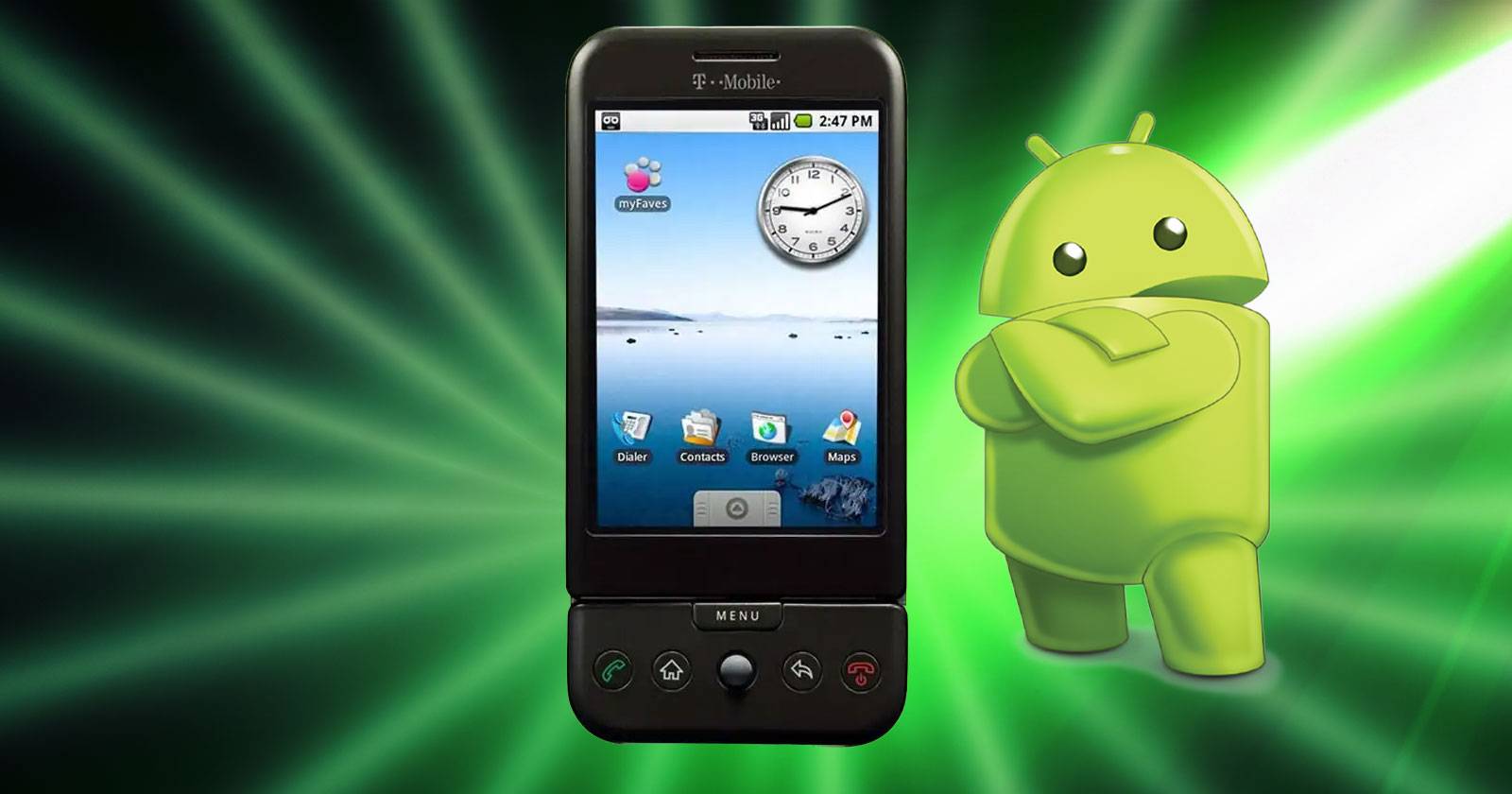
The tension between iOS and Android remains a central theme in the consumer electronics sector. While Apple consistently emphasizes its closed-garden approach, Android—the operating system maintained by Google—offers a different value proposition based on customization and an open-source framework. The Android platform, as outlined in Google’s official privacy overview, has also implemented significant security updates, such as the Privacy Sandbox, aimed at improving user control over data sharing across apps and websites.
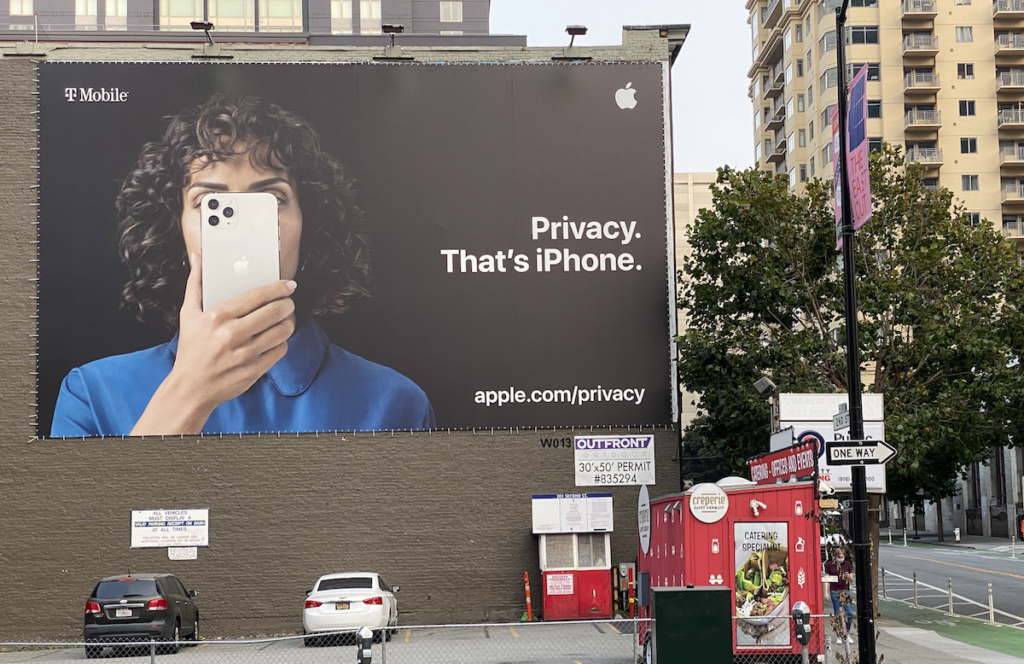
However, Apple’s advertising strategy frequently bypasses these technical nuances in favor of emotional resonance. By creating a visual language where the iPhone represents modernity, security, and simplicity, the company effectively communicates a message of superiority. This is a common tactic in global advertising, where brands seek to establish a clear hierarchy in the minds of consumers. For Apple, the goal is to make the choice of a smartphone feel like a choice of values, rather than just a selection of hardware components.
Why Brand Messaging Matters in Tech
The impact of these advertisements extends beyond mere product awareness. For many, the “Privacy on iPhone” campaign reinforces the brand loyalty that Apple has cultivated over decades. When a company with a significant market share, such as Apple, launches a campaign that targets the user experience of its rivals, it serves to consolidate its existing user base while simultaneously creating a barrier to entry for those considering a switch to other platforms.
The effectiveness of this strategy is often measured by engagement and sentiment. While critics may argue that the portrayal of non-Apple devices is exaggerated or “heavy-handed,” the goal of such advertising is rarely to provide a balanced technical comparison. Instead, it is to capture the attention of a mainstream audience by simplifying a complex issue—privacy—into a digestible, visual narrative. As of June 4, 2026, the company continues to maintain its focus on these core pillars as it prepares for upcoming events, including the WWDC26 Worldwide Developers Conference scheduled for June 8–12, 2026.
Key Considerations for Consumers
- Data Control: Users are encouraged to review their individual app permissions regularly in the settings menu of their respective devices.
- Ecosystem Choice: The decision between iOS and Android often involves weighing the benefits of a curated, secure experience against the flexibility of an open platform.
- Official Updates: For the most accurate information regarding new privacy features, consumers should rely on official support pages provided by the manufacturers.
As the conversation around digital privacy continues to evolve, it is likely that tech giants will continue to use their marketing budgets to influence public perception. Whether these ads accurately reflect the state of the industry or simply serve as a bold branding exercise, they remain a vital component of how companies communicate their priorities to a global audience. For consumers, the best approach remains staying informed through official documentation and independent security research.
The next major milestone for Apple’s product and software strategy is the upcoming Worldwide Developers Conference. We will be tracking the latest announcements and software updates as they are unveiled during the event. We invite our readers to share their thoughts on these marketing strategies in the comments section below.