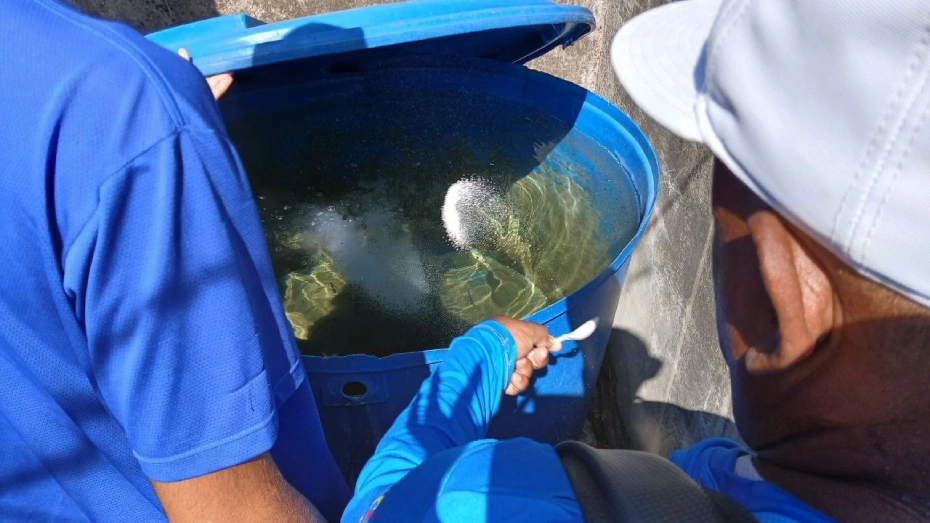
The Venezuelan state of Aragua is intensifying public health measures to combat yellow fever, with recent efforts focused on targeted fumigation and vaccination campaigns in prioritized municipalities. These actions come as health authorities across the region remain vigilant against potential outbreaks, particularly given the disease’s presence in neighboring countries. The ongoing initiatives aim to protect vulnerable populations and strengthen the country’s overall capacity to prevent and respond to infectious disease threats.
Recent reports indicate a concerted effort by the Aragua Health Corporation (CORPOSALUD) to reinforce epidemiological surveillance in key municipalities. This includes intensive fumigation and larviciding activities in the Libertador municipality, specifically within the San Martín de Porres parish. These measures are designed to eliminate breeding grounds for the Aedes aegypti mosquito, the primary vector responsible for transmitting yellow fever, dengue and Zika viruses. The proactive approach underscores a commitment to preventative healthcare and minimizing the risk of vector-borne disease transmission.
Expanding Vaccination Coverage and Community Engagement
Dr. Yosmary Lombano, the Single Health Authority for Aragua state, highlighted the door-to-door approach employed during the recent health drive. According to reports, over 2,745 residents of the Palo community have benefited from the enhanced environmental safety measures and access to vaccinations. The multidisciplinary teams involved in the initiative comprise epidemiologists, immunization program personnel, and health brigades dedicated to environmental health. This collaborative approach ensures a comprehensive response, addressing both immediate vector control and long-term immunity building.
The current deployment is being simultaneously carried out across five prioritized municipalities: Camatagua, San Sebastián, Libertador, Zamora, and San Casimiro. This coordinated strategy aligns with directives from acting President Delcy Rodríguez and receives support from Minister of Health Nuramy Gutiérrez and Governor Joana Sánchez. The scale of the operation demonstrates a significant investment in public health infrastructure and a unified commitment to safeguarding the well-being of Aragua’s citizens. Venezuela’s Ministry of Popular Power for Health (MPPS) is overseeing the national vaccination plan, aiming to achieve widespread immunity against yellow fever.
Regional Concerns and Border Vigilance
The heightened focus on yellow fever prevention in Venezuela is occurring within a broader regional context of increased vigilance. In June 2025, the Táchira state’s Health Corporation (Corposalud) announced intensified control measures along the country’s borders, particularly with Colombia and Brazil, where yellow fever is endemic. Corposalud aimed to immunize the entire population in border municipalities, prioritizing those over 60 years of age initially. Reggie Barrera, head of Epidemiology for Corposalud, emphasized the importance of protecting the population from potential introduction of the disease.
This regional concern is rooted in the ongoing outbreaks of yellow fever in several South American countries. The Pan American Health Organization (PAHO) has been closely monitoring the situation and providing technical assistance to affected nations. PAHO plays a crucial role in coordinating regional responses to infectious disease outbreaks, offering guidance on vaccination strategies, vector control, and surveillance systems. The organization stresses the importance of maintaining high vaccination coverage rates to prevent outbreaks and protect vulnerable populations.
Understanding Yellow Fever: Symptoms, Transmission, and Prevention
Yellow fever is an acute viral hemorrhagic disease transmitted by infected mosquitoes. The “yellow” in the name refers to the jaundice that affects some patients. Symptoms typically include fever, headache, muscle pain, nausea, vomiting, and fatigue. In severe cases, the disease can progress to a more toxic phase, leading to liver failure, kidney failure, and internal bleeding. There is no specific treatment for yellow fever; care focuses on relieving symptoms and preventing complications.
The most effective way to prevent yellow fever is vaccination. The yellow fever vaccine is safe and highly effective, providing lifelong immunity with a single dose. The World Health Organization (WHO) recommends yellow fever vaccination for all travelers visiting areas at risk of transmission. The WHO provides detailed information on vaccination requirements and risk areas. Beyond vaccination, personal protective measures, such as using mosquito repellent, wearing long sleeves and pants, and eliminating standing water where mosquitoes can breed, are crucial for reducing the risk of infection.
National Vaccination Plan in Aragua
In February 2026, a national vaccination plan against yellow fever was deployed in communities of Aragua state, specifically in the Vallecito sector. This initiative, as reported by Prensa MinSalud Aragua, involved the administration of doses of yellow fever vaccine, along with toxoid, pentavalent, and polio vaccines, providing comprehensive protection to over 1,700 citizens. The integrated approach highlights the importance of maintaining routine immunization schedules alongside targeted campaigns for specific diseases.
Authorities are urging residents aged 1 to 59 years to visit activated health centers to complete their vaccination schedules. This ongoing effort, guided by national executive directives and the management of Governor Joana Sánchez, reaffirms the Venezuelan state’s commitment to providing free and quality public healthcare. The success of these initiatives relies heavily on community participation and adherence to public health recommendations.
Key Takeaways
- Venezuela is actively reinforcing its defenses against yellow fever, particularly in border regions and prioritized municipalities like those in Aragua state.
- The national strategy combines vaccination campaigns with robust vector control measures, including fumigation and larviciding.
- Regional collaboration with organizations like PAHO is crucial for monitoring outbreaks and coordinating responses.
- Vaccination remains the most effective means of preventing yellow fever, and authorities are encouraging widespread immunization.
Looking ahead, continued monitoring of epidemiological trends and sustained investment in public health infrastructure will be essential to maintaining Venezuela’s progress in preventing and controlling yellow fever. The Ministry of Health is expected to provide further updates on vaccination coverage and outbreak surveillance in the coming weeks. Readers are encouraged to share their thoughts and experiences in the comments section below and to consult with their healthcare providers for personalized advice on yellow fever prevention.
Worth a look
- New Breathalyzer-Style Device Accurately Measures Fat Burning Through Exhaled Air
- Researchers Aim to Heal Broken Hearts Using the Body’s Own Immune Defense
- New Study Links GLP-1 Medications Like Wegovy and Ozempic to Health Risks (archyde.com)
- Dengue Fever Alert: Miami-Dade Confirms Case and Warns of Symptoms (time.news)