
Monterrey is experiencing a sustained period of extreme heat, with temperatures reaching 46 degrees Celsius (114.8 degrees Fahrenheit), prompting concerns over public safety as large-scale public events continue despite the absence of a formal state-issued weather alert. While citizens report widespread infrastructure strain, including localized power outages and significant traffic congestion, local authorities have focused efforts on medical readiness at high-density gathering sites rather than implementing a broader emergency declaration.
The current meteorological conditions in Nuevo León have placed a significant burden on the city’s power grid and emergency services. According to reports from regional monitors, the combination of high temperatures and infrastructure limitations has led to intermittent blackouts across the metropolitan area, complicating daily travel and increasing the risk of heat-related illnesses for vulnerable populations. As temperatures climb, the state government has prioritized the deployment of mobile health units, specifically stationing a specialized medical facility at Parque Fundidora to treat attendees of the ongoing Fan Fest Monterrey, as confirmed by the Secretaría de Salud de Nuevo León.
Public Safety and Mass Gatherings During Heatwaves
Despite the extreme heat warnings from independent meteorologists, thousands of residents continue to participate in the Fan Fest Monterrey. The decision to proceed with large outdoor events has drawn criticism from community members who argue that the lack of an official state alert creates a false sense of security. Public health experts generally advise limiting outdoor activity during peak daylight hours when temperatures exceed 40 degrees Celsius, as the risk of heat exhaustion and heatstroke rises significantly for all age groups.
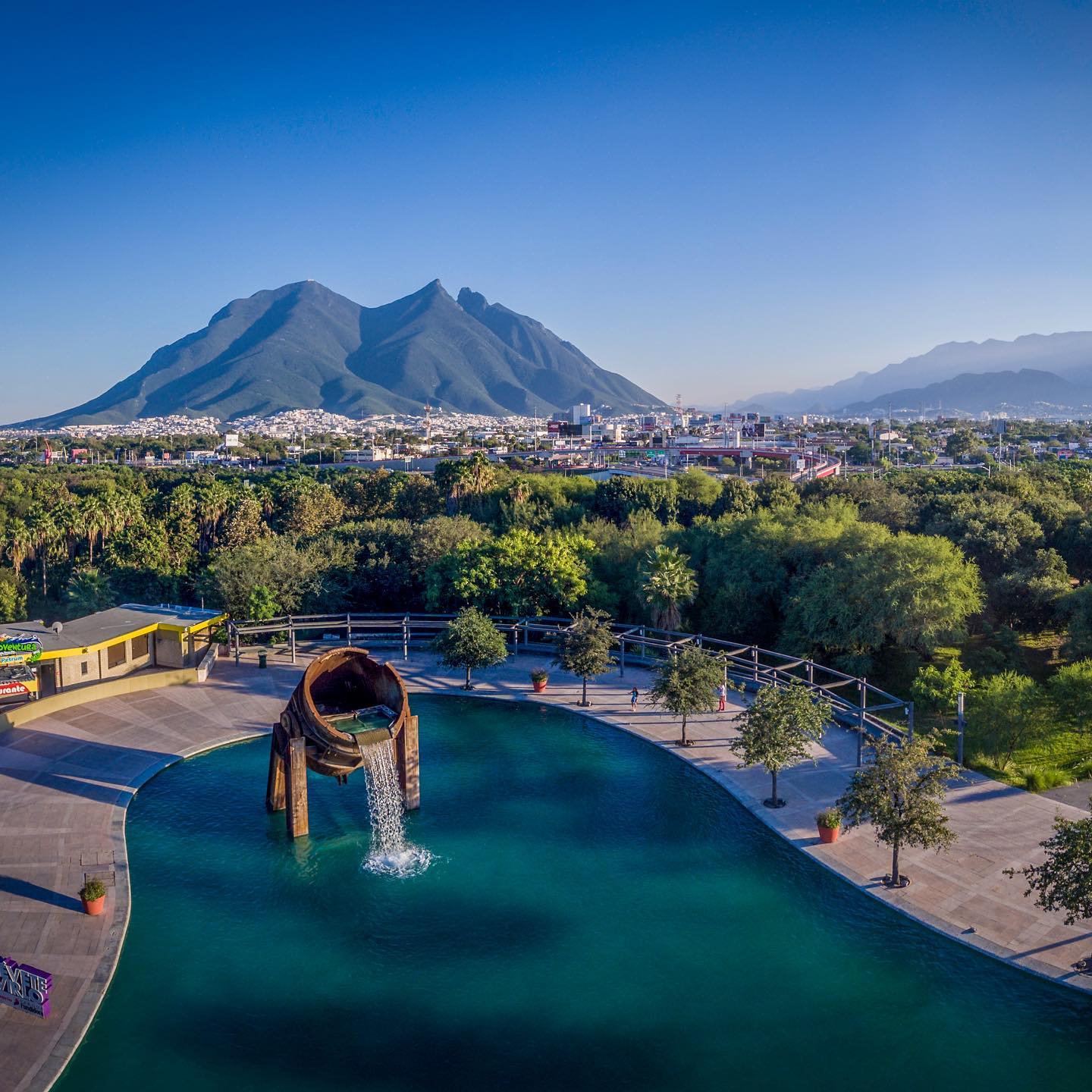
To mitigate these risks, health officials have issued guidance for those attending public events. Recommendations include maintaining consistent hydration, seeking shaded areas, and utilizing protective gear such as hats and sunscreen. The presence of the mobile hospital at Parque Fundidora serves as a reactive measure to the heat, providing immediate triage for individuals suffering from dehydration or heat-related fatigue. Further information regarding public health protocols and heat safety can be accessed through the Secretaría de Salud federal guidelines, which provide comprehensive strategies for managing thermal stress in urban environments.
Infrastructure Strain and Power Reliability
The surge in energy demand driven by air conditioning usage has tested the capacity of the local electrical grid. Residents in various neighborhoods have reported frequent, unscheduled power outages, which exacerbate the dangers of the heatwave by rendering indoor cooling systems inoperable. These disruptions have also impacted traffic flow, as signal failures at major intersections increase congestion during the hottest periods of the day.
While the state government has been scrutinized for not issuing a formal emergency declaration, officials maintain that current resources are being directed toward direct medical support and infrastructure monitoring. The reliance on mobile medical units rather than public restrictions highlights a strategy focused on individual risk management. For those experiencing persistent power service interruptions, the Comisión Federal de Electricidad (CFE) remains the primary entity for reporting failures and monitoring grid status updates across the region.
What Happens Next for Monterrey Residents
Meteorological models indicate that the high-pressure system currently affecting Northern Mexico may persist in the coming days, suggesting that temperatures will remain well above seasonal averages. Residents are encouraged to monitor updates from official channels, including the Servicio Meteorológico Nacional, which provides the most accurate, real-time data on heat indices and potential weather shifts.
The next checkpoint for local residents will be the release of updated weather forecasts for the upcoming weekend. If current trends continue, it remains to be seen whether the state government will shift its policy from medical oversight to more restrictive public safety mandates. We encourage our readers to share their experiences regarding power stability and heat management in their local neighborhoods in the comments section below.