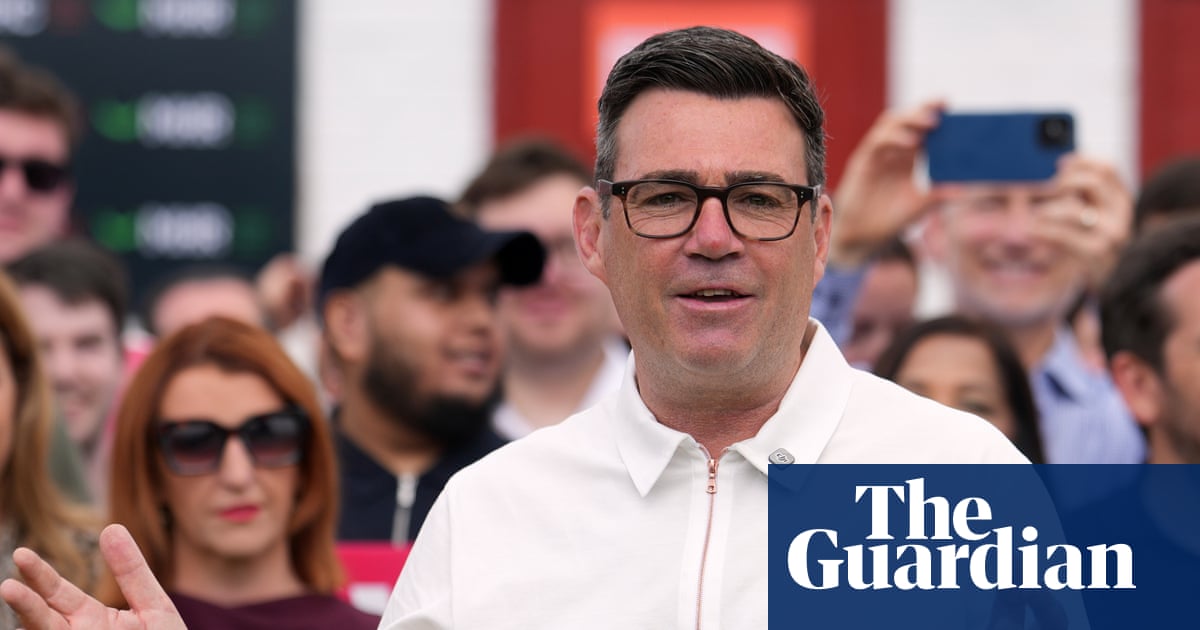
Andy Burnham’s re-election as the Mayor of Greater Manchester, coupled with his high-profile political influence, has prompted renewed speculation regarding his potential return to Westminster and a leadership bid for the Labour Party. While Burnham currently holds no seat in the House of Commons, his regional mandate and public standing have positioned him as a prominent figure in British politics, leading some observers to question whether he could eventually challenge Prime Minister Keir Starmer for leadership of the Labour Party.
The role of Mayor of Greater Manchester, which Burnham has held since 2017, provides a platform that allows him to operate independently of the central party machinery in London. According to the Greater Manchester Combined Authority, the position carries significant executive powers over transport, housing, and regional economic strategy. This regional autonomy has allowed Burnham to cultivate a distinct political brand, often characterized by a focus on “levelling up” the north of England, a term that gained prominence during the previous Conservative administration’s policy discourse, as detailed by the Institute for Government.
The Path from Regional Mayor to National Leader
For a politician to challenge a sitting Prime Minister or leader of the opposition, they must first secure a seat in the House of Commons. Andy Burnham previously served as the Member of Parliament for Leigh from 2001 to 2017, a tenure that included serving as Secretary of State for Health and Secretary of State for Culture, Media and Sport. Since resigning his seat to become the first elected Mayor of Greater Manchester, he has remained outside the parliamentary chamber.
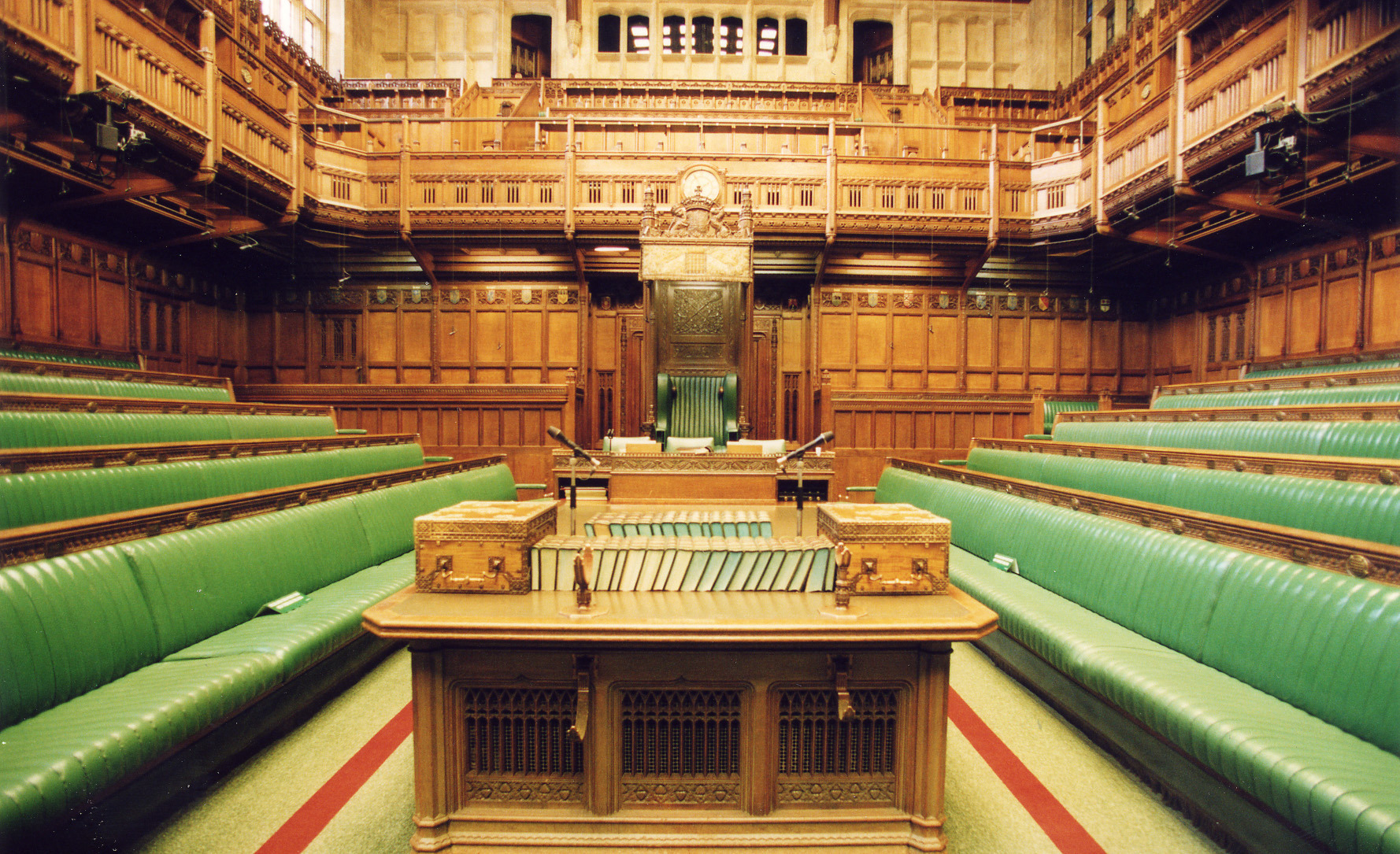
Under current Labour Party rules, a leadership challenge requires the support of a significant portion of the Parliamentary Labour Party (PLP). According to the Labour Party Rule Book, any candidate seeking to challenge a sitting leader must be nominated by 20% of the combined total of Labour MPs and Members of the European Parliament (though the latter is now obsolete post-Brexit). Without a seat in the Commons, Burnham would first need to be selected as a parliamentary candidate and win a general election contest to even begin the process of gathering such support.
Comparing Regional Influence and National Policy
Political analysts often contrast Burnham’s approach with that of the current Labour leadership. While Sir Keir Starmer has focused on a strategy of professionalizing the party and moving toward the political center, Burnham has frequently championed more localized, interventionist policies. This difference in style has led to occasional friction. For instance, during the COVID-19 pandemic, Burnham engaged in a high-profile public dispute with the central government over financial support for Greater Manchester during Tier 3 lockdown restrictions, as reported by the BBC.
This “King in the North” narrative, a moniker often applied to him by supporters and the media, reflects his role as an advocate for regional devolution. However, the efficacy of this role as a springboard to national leadership remains a subject of debate. Historically, the transition from local government to national leadership is rare in the United Kingdom. Most modern Prime Ministers have risen through the ranks of the cabinet or shadow cabinet while serving as MPs, rather than moving from a devolved executive role.
What Happens Next for the Labour Party
As of the current parliamentary session, there is no official indication that Andy Burnham is seeking a return to national office. His current term as Mayor of Greater Manchester runs until 2028, following his re-election in May 2024. According to results published by the Greater Manchester Combined Authority, Burnham secured a comfortable majority, affirming his continued mandate from the regional electorate.
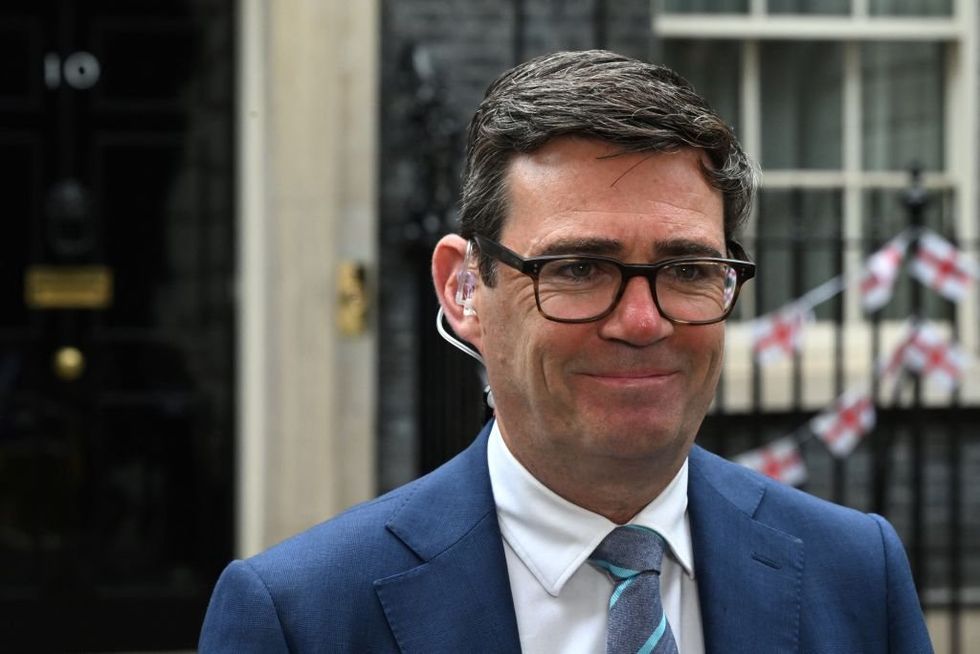
The next major checkpoint for the Labour Party will be the annual party conference and subsequent legislative sessions, where the government’s performance will be scrutinized by the electorate and the media. Any potential leadership speculation remains speculative until such time as a vacancy arises or a formal challenge is initiated. Readers interested in tracking these developments can monitor official updates from the UK Parliament website for any changes in candidate selections or parliamentary resignations.
Whether this regional influence will eventually transition into a national leadership bid remains a question for future election cycles. For now, Burnham continues to focus on the governance of Greater Manchester. We invite our readers to share their perspectives on the role of regional mayors in national politics in the comments section below.
Keep reading