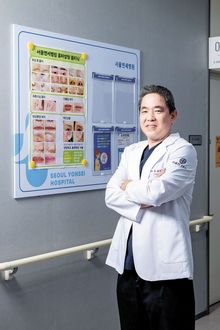
A young man who suffered the traumatic loss of five fingers has successfully obtained his driver’s license, marking a significant milestone in his recovery journey. The achievement was made possible through specialized reconstructive surgery and long-term rehabilitation efforts led by Dr. Sang-hyun Cho, the director of Seoul Yonsei Hospital, who specializes in complex hand restoration.
For many patients suffering from severe limb trauma, the path to recovery is often complicated by long wait times at major university hospitals. Dr. Cho’s clinic has gained attention for its focus on 24-hour emergency care for reconstructive cases, ensuring that patients requiring immediate microsurgery have access to specialized care without the delays often associated with larger institutional triage systems. According to medical experts in the field of hand surgery, the ability to perform precise tissue and nerve repair in the “golden time” following an injury is a critical factor in determining long-term functional outcomes for patients.
The Role of Specialized Reconstructive Surgery
Reconstructive surgery for multi-digit amputation requires a multidisciplinary approach, combining orthopedics, plastic surgery, and intensive physical therapy. In cases like this, the goal is not only to restore the physical structure of the hand but also to regain the fine motor control necessary for daily tasks, such as operating a motor vehicle. Research published by the American Society for Surgery of the Hand emphasizes that successful outcomes in complex hand reconstruction are highly dependent on the patient’s adherence to a rigorous rehabilitation schedule following the initial surgical intervention.
Dr. Cho’s practice operates with a team of five reconstructive specialists who maintain a 24-hour on-call rotation. This model addresses a common gap in public health infrastructure: the difficulty of finding immediate, specialized surgical care for non-lethal but life-altering injuries outside of standard business hours. By prioritizing these cases, the medical team aims to mitigate the long-term disability that often results from delayed treatment.
Overcoming Barriers to Functional Recovery
The transition from surgical recovery to obtaining a driver’s license represents a return to independent living. For individuals with significant limb loss, the process involves not only physical healing but also the adaptation of assistive technologies and, in some cases, modified driving equipment. The National Highway Traffic Safety Administration provides resources on vehicle modifications that allow individuals with physical disabilities to operate vehicles safely and legally, ensuring that mobility remains accessible for all citizens.
The success of this case underscores the importance of the “doctor-patient” relationship in long-term trauma recovery. Dr. Cho has frequently noted in public statements that the presence of a dedicated medical team remains the most vital component for patients navigating the psychological and physical challenges of severe injury. The commitment to being available at the moment of need—rather than forcing patients to navigate administrative hurdles—serves as a model for community-based specialized medical care.
What Happens Next in Rehabilitation
While the patient has achieved the major milestone of licensure, the medical team at Seoul Yonsei Hospital indicates that ongoing follow-up is necessary to monitor nerve health and muscle strength. Long-term recovery for digit reconstruction often spans several years, involving periodic assessments to ensure that the graft sites and nerve pathways continue to function optimally as the patient grows and adapts to his restored hand.

For those facing similar injuries, health authorities recommend seeking consultation with board-certified reconstructive surgeons as early as possible. Patients are encouraged to inquire about the availability of emergency microsurgery services and to verify the credentials of their surgical team through regional medical associations. As this recovery story continues to evolve, the medical community remains focused on improving the accessibility of these life-changing procedures for all patients in need of urgent care.
We welcome your thoughts on the importance of accessible specialized surgical care in your community. Please feel free to share your perspectives or questions regarding medical advancements in hand reconstruction in the comments section below.
Keep reading