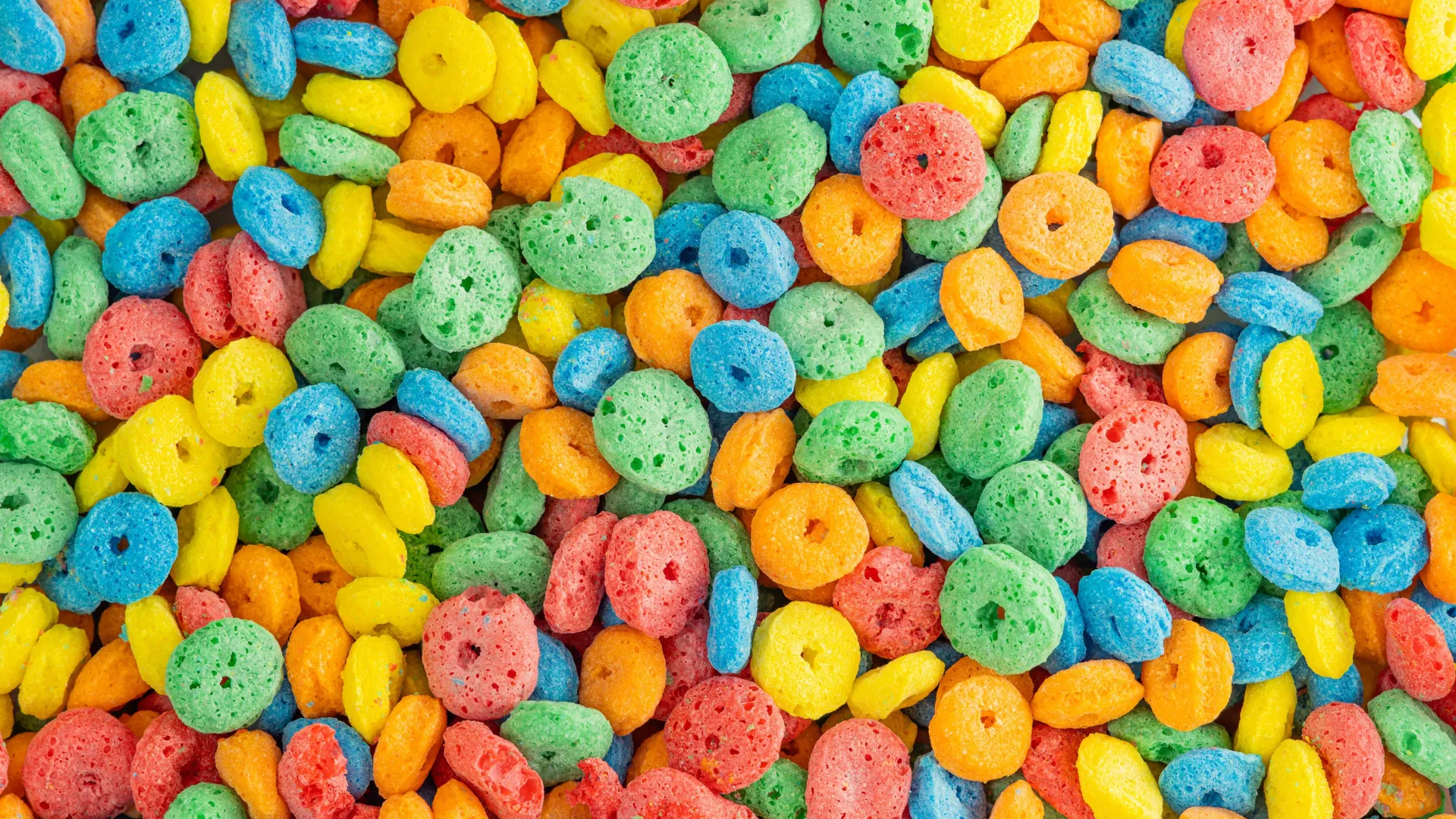
The Hidden Cost of Color: How Food Dyes and Sugar Impact Children’s Health – and What Parents Can Do
(Updated November 8, 2023)
For decades, brightly colored cereals, candies, and drinks have captivated children. But behind those appealing hues lies a growing concern among health professionals: a potential link between synthetic food dyes, high sugar content in children’s foods, and behavioral issues like hyperactivity and inattention. This article delves into the latest research,expert opinions,and emerging legislative efforts surrounding these ingredients,providing parents and consumers with the details needed to make informed choices. We’ll explore the science, the industry practices, and practical steps you can take to protect yoru family’s health.
The rising concerns: Beyond Just Aesthetics
the vibrant colors in many processed foods aren’t naturally occurring. Thay’re created by synthetic dyes – artificial chemicals added to enhance visual appeal. While the FDA currently approves these dyes as safe, a significant and increasingly robust body of evidence suggests a more nuanced picture. Specifically, research points to a potential connection between consumption of synthetic food dyes and adverse neurobehavioral outcomes in some children.
A 2021 Health Effects Assessment by the California Office of Environmental Health Hazard Assessment (OEHHA) https://oehha.ca.gov/risk-assessment/report/health-effects-assessment-potential-neurobehavioral-effects-synthetic-food-dyes-children reviewed decades of studies and concluded that synthetic dyes may contribute to hyperactivity and inattention in susceptible children. This isn’t a claim of definitive causation for all children, but the weight of evidence is prompting serious re-evaluation.It’s important to note that individual sensitivities vary, and not all children will experience these effects.However, given the potential risks, a precautionary approach is warranted.
What the Research Reveals: A Disproportionate impact on Children’s Foods
Recent research conducted by experts from The George Institute for Global Health, the University of North Carolina, and the Center for Science in the Public Interest (CSPI) paints a concerning picture of the food landscape. The study meticulously analyzed ingredient lists of packaged foods and beverages from the 25 largest U.S. food manufacturers, focusing on categories heavily marketed to children: confectionery, sugar-sweetened beverages, ready meals, breakfast cereals, and baked goods.
The findings were stark. products specifically targeted at children were substantially more likely to contain synthetic dyes – present in 28% of these items compared to just 11% in other food categories. But the problem doesn’t stop at color. Foods containing these artificial colors also boasted dramatically higher sugar content, averaging 141% more sugar (33.3g per 100g) than products without dyes (13.8g per 100g). This suggests a deliberate strategy by food manufacturers to pair visually stimulating dyes with intensely sweet flavors, creating a powerful appeal for young consumers.
Expert Voices: A Call for Action
“Given the accumulation of evidence over the last 40 years pointing to the health harms of synthetic dyes,it’s disappointing to see that they’re still so prevalent in our food system,particularly in products that are designed to appeal to children,” states Dr.Elizabeth Dunford, Research Fellow at The George Institute and Adjunct Assistant Professor at the University of North Carolina. “The high levels of sugar in these brightly colored products suggests that companies are using synthetic dyes to market sweet foods and beverages, but both ingredients are linked to poor health outcomes.”
Dr.Thomas Galligan, Principal Scientist for Food Additives and Supplements at CSPI, echoes this sentiment.”Synthetic food dyes remain unnecessary in the U.S. food supply, yet efforts to remove them have been slow.” He points to the FDA’s recent request for voluntary phasing out of dyes as insufficient, given past broken promises from the industry. “if the FDA were to require warning labels on synthetically dyed foods, similar to the rule in place as 2010 in the european Union, ther would be a much stronger incentive for industry to reformulate. Those warnings would also ensure consumers are better able to protect themselves.”
Who Are the Biggest Offenders?
the research identified specific brands with particularly high usage of synthetic dyes:
* Ferrero: 60% of confectionery products contained dyes.
* Mars: 52% of confectionery products contained dyes.
* **Pepsi