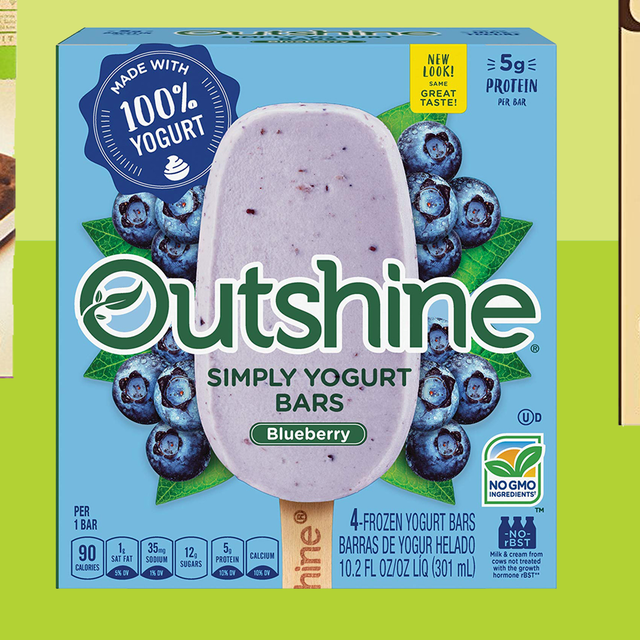
Consumers seeking healthy ice cream options must distinguish between marketing claims and actual nutritional content to make informed decisions. While products labeled “high protein” or “low calorie” appear healthier, nutritional experts warn that high sugar levels or intensive use of artificial sweeteners can often offset these perceived benefits.
The frozen dessert aisle has undergone a significant transformation in recent years. Supermarket shelves are increasingly populated with products that use “health halos”—marketing terms like “guilt-free,” “natural,” or “protein-enriched”—to appeal to health-conscious shoppers. However, a dietitian’s assessment of these products suggests that a label’s front-facing claims often mask a complex nutritional profile that requires careful scrutiny of the ingredient list and nutrition facts panel.
Why do “healthy” ice cream labels often mislead consumers?
Food marketing often relies on the “health halo effect,” a psychological phenomenon where a single perceived healthy attribute, such as “low fat,” leads consumers to believe the entire product is nutritious. In the context of frozen desserts, a product might be marketed as “vegan” or “plant-based,” which implies healthiness to many, yet it may contain high levels of saturated fats from coconut oil or significant amounts of added cane sugar.
According to nutritional guidelines, a product’s healthfulness is determined by its overall composition rather than a single standout ingredient. For instance, a “low-calorie” ice cream may achieve its low energy density by replacing fats with thickeners or artificial sweeteners. While this reduces the calorie count, it may not increase satiety, leading to increased consumption later. Furthermore, the removal of fat can sometimes result in a product that requires higher amounts of sugar to maintain a palatable texture.
Regulatory bodies like the European Food Safety Authority (EFSA) oversee how these claims are made, but the nuance between “no added sugar” and “sugar-free” remains a common point of confusion for the public. “No added sugar” simply means no sucrose or syrups were added during processing, but the product may still contain high levels of naturally occurring sugars from fruit concentrates or milk, which still impact blood glucose levels.
What nutritional markers should you look for in frozen desserts?
To identify truly better choices, dietitians recommend focusing on three primary nutritional pillars: sugar content, protein levels, and the type of fats used. Evaluating these metrics allows consumers to move past marketing jargon and understand the actual impact a dessert will have on their metabolic health.
Sugar Content and Glycemic Impact
The World Health Organization (WHO) recommends that free sugars make up less than 10% of total energy intake to reduce the risk of non-communicable diseases, such as obesity and dental caries. The WHO guidelines emphasize that reducing sugar intake is a critical public health goal. When selecting ice cream, consumers should look for products where sugar is not one of the first three ingredients listed, as ingredients are listed in descending order by weight.
Protein and Satiety
The rise of high-protein ice creams is a response to the growing fitness market. These products often use milk protein isolates or whey to boost the macronutrient profile. While higher protein can assist with satiety—the feeling of fullness—consumers should check if this protein is accompanied by high levels of artificial sweeteners or sodium, which are often used to balance the flavor profile of protein-heavy foods.
Fat Quality
Not all fats are equal. While traditional ice cream is high in saturated fats from dairy, many plant-based alternatives use coconut oil or palm oil to replicate the creamy mouthfeel. These are also high in saturated fats. Looking for products that incorporate unsaturated fats or have a moderate total fat content can be a healthier approach for long-term cardiovascular health.
How do high-protein and low-calorie options compare?
Choosing between a high-protein dessert and a low-calorie one depends heavily on an individual’s specific dietary goals. There is no universal “best” choice, as the two categories serve different nutritional purposes.
High-protein ice creams are generally designed for individuals looking to manage hunger or support muscle maintenance. The protein content helps slow the digestion of carbohydrates, which can prevent the rapid insulin spikes often associated with sugary treats. However, these products can sometimes be highly processed, containing emulsifiers and stabilizers to maintain texture in the absence of traditional fat structures.
Low-calorie ice creams, often referred to as “light” or “diet” ice creams, focus on energy density. These are useful for weight management but may lack the micronutrients and satisfying texture of traditional versions. The primary concern with these products is the reliance on sugar alcohols (polyols) or intense sweeteners. While these can keep calories low, some polyols, such as maltitol, can have a laxative effect if consumed in large quantities, a fact noted in various nutritional studies regarding digestive sensitivity.
| Marketing Claim | Potential Benefit | Potential Nutritional Pitfall |
|---|---|---|
| High Protein | Increased satiety and muscle support. | May contain high sodium or artificial additives. |
| Low Calorie | Easier to fit into calorie-restricted diets. | Often relies on sugar alcohols or low satiety. |
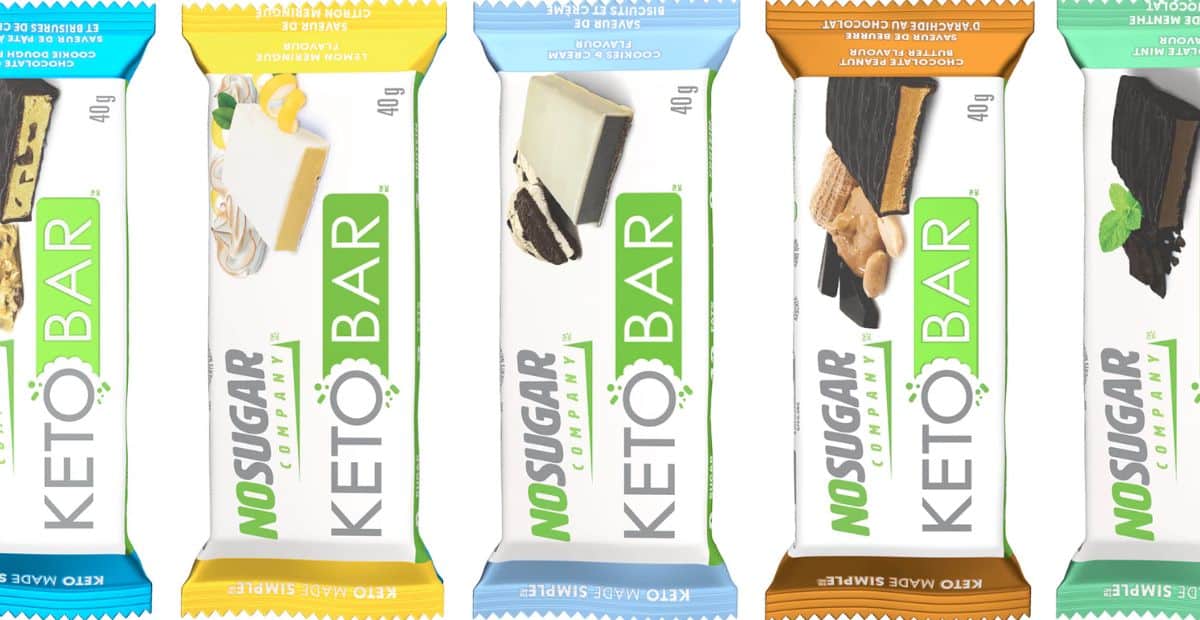
| Sugar-Free | Lower impact on immediate blood glucose. | Often uses artificial sweeteners/polyols. |
| Vegan / Plant-Based | Suitable for dairy-free diets. | Can be high in saturated fats (e.g., coconut oil). |
What are the risks of artificial sweeteners in “healthy” treats?
As manufacturers attempt to reduce sugar, many have turned to non-nutritive sweeteners like stevia, erythritol, or aspartame. While these allow for a “sugar-free” label, they present their own set of considerations for the consumer.
Some research suggests that the frequent consumption of intense sweeteners may affect how the body perceives sweetness, potentially leading to increased cravings for high-calorie foods. Additionally, the gut microbiome—the community of bacteria in the digestive tract—is a growing area of study. Some studies are investigating how certain artificial sweeteners might alter gut bacteria composition, though more long-term human clinical trials are required to reach a definitive consensus.
For those with sensitive digestive systems, sugar alcohols (polyols) are a specific concern. Because these carbohydrates are only partially absorbed by the body, they can ferment in the large intestine, leading to bloating, gas, or osmotic diarrhea. If a “healthy” ice cream contains multiple polyols, such as xylitol, sorbitol, or erythritol, consumers should consume it in moderation.
Frequently Asked Questions about Healthy Ice Cream
Is vegan ice cream always healthier than dairy ice cream?
Not necessarily. While vegan ice cream is suitable for those with lactose intolerance or ethical preferences, many brands use coconut oil or palm oil to achieve creaminess, both of which are high in saturated fats. A vegan ice cream can have a similar or even higher calorie and fat profile than a standard dairy version.

What is the difference between “no added sugar” and “sugar-free”?
“No added sugar” means that no sugar was added during the manufacturing process, but the product may still contain natural sugars from ingredients like fruit or milk. “Sugar-free” typically means the product contains no sucrose or other added sugars, often relying on sugar alcohols or artificial sweeteners instead.
Can high-protein ice cream help with weight loss?
High-protein ice cream can be a tool for weight management because protein is more satiating than carbohydrates or fats, potentially helping you feel full longer. However, if the product is also high in calories or uses excessive sweeteners, it may not contribute to a calorie deficit.
How should I read the nutrition label to find the best option?
Ignore the front of the package and look at the back. Check the “Serving Size” first to ensure the calorie and sugar counts are accurate for the amount you actually intend to eat. Then, check the ingredient list for the order of components and look for hidden sugars like high fructose corn syrup, agave nectar, or fruit juice concentrates.
Nutritional standards and labeling regulations continue to evolve as new research into sweeteners and processed foods emerges. Consumers are encouraged to stay informed through official health advisories and updated dietary guidelines from recognized medical institutions.
Do you have a favorite “healthy” snack that you’ve found to be surprisingly nutritious? Or a product that misled you? Share your experiences in the comments below and share this article with your network.