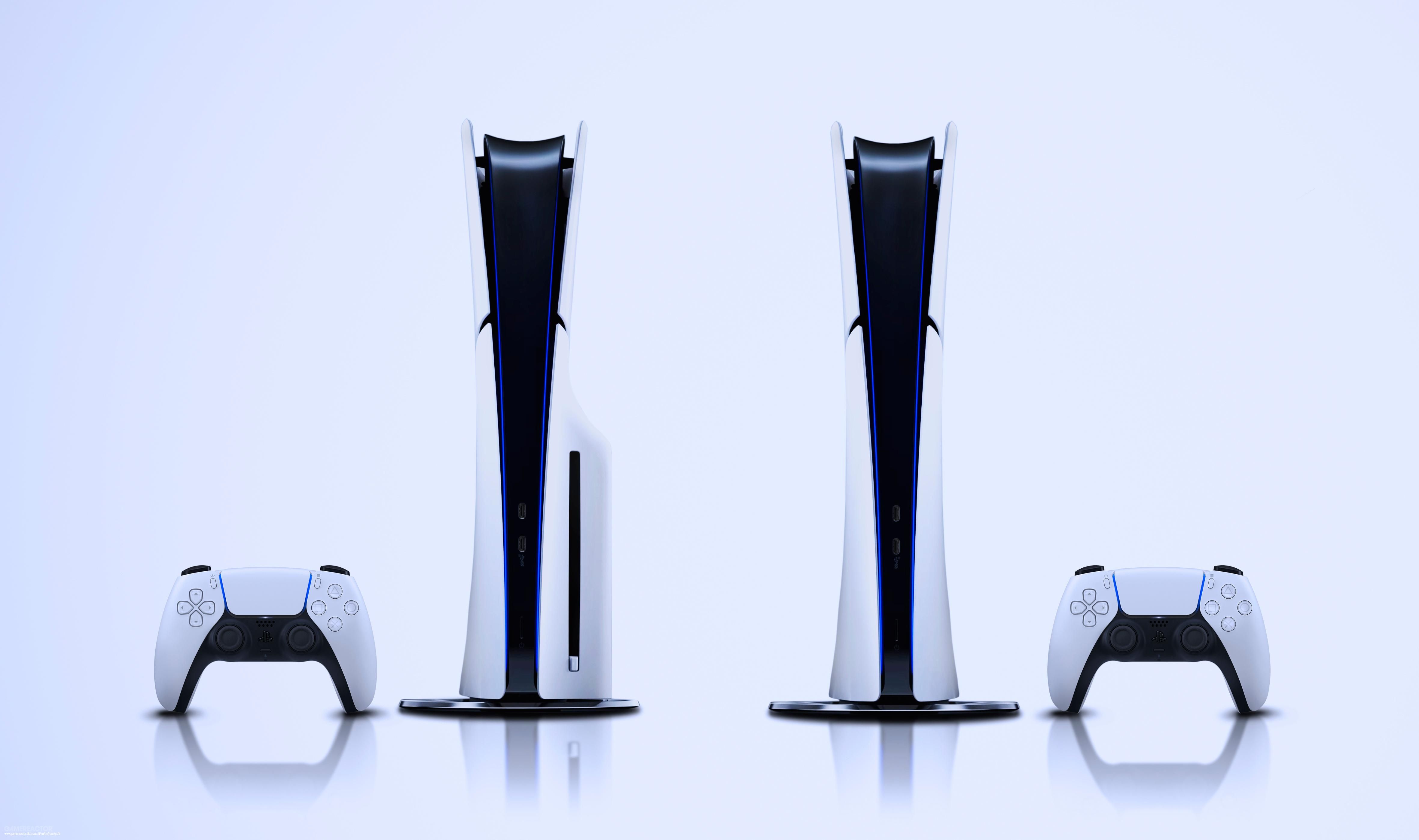
Industry analysts and major stakeholders are increasingly signaling that the next generation of Sony’s home console, tentatively referred to as the PlayStation 6, may not reach the global market until 2028 or 2029. This forecast stems from recent financial disclosures and industry projections, including comments from the Embracer Group, which suggest a longer life cycle for the current hardware generation as developers pivot toward cloud-integrated and service-based gaming models.
The timeline for a new console release remains a subject of intense speculation within the technology sector. While Sony has not provided an official launch date for its next-generation hardware, historical patterns and current market conditions indicate that the company is prioritizing the longevity of the PlayStation 5, which was released in November 2020, according to official company records. Extending the life cycle of a console beyond the traditional six-to-seven-year window has become more common as hardware performance plateaus and software development costs continue to rise.
Shifting Industry Expectations for Hardware Cycles
The anticipation of a 2028 or 2029 release for a successor to the PlayStation 5 aligns with broader shifts in how major technology firms approach hardware lifecycles. For years, the industry operated on a strict six-year cadence; however, the integration of advanced features such as ray tracing, 4K resolution, and high-speed solid-state drives has increased the development time required to create “next-gen” experiences. According to GamesIndustry.biz, the return on investment for high-budget titles is increasingly dependent on maintaining a large, stable install base, which favors keeping current hardware in circulation longer.
Embracer Group, a prominent holding company in the gaming sector, has factored these industry trends into its forward-looking financial assessments. By projecting a later release window, the group acknowledges that the transition to new hardware will likely be slower than in previous decades. This perspective is shared by many market observers who note that Sony’s focus has shifted toward a hybrid ecosystem where PlayStation 5, PlayStation 5 Pro, and PC platforms share a unified library of games, reducing the immediate pressure to force a hardware migration.
The Role of Pro-Tier Hardware in Extending Longevity
Sony’s strategy for the current generation has been marked by the introduction of iterative updates, such as the PlayStation 5 Pro, released in November 2024. By offering a high-performance variant mid-cycle, Sony aims to capture users who desire cutting-edge fidelity without requiring a full generational reset. Detailed performance specifications for the current hardware lineup can be found in the official PlayStation product documentation.
This “mid-gen refresh” model allows developers to continue building games that scale across a wider range of hardware capabilities. Consequently, the urgency for a completely new console architecture is diminished. When Sony does eventually pivot to a new generation, the focus will likely be on advancements in machine learning, generative AI for non-player character behavior, and further improvements in latency, rather than the raw processing leaps seen in past decades.
What Developers and Consumers Should Expect Next
For the average consumer, the extension of the current console cycle means that existing investments in software and accessories remain relevant for several more years. The industry is moving toward a model where the “console” is less of a rigid box and more of a gateway to a service-oriented ecosystem. This is evidenced by the expansion of the PlayStation Plus subscription tier and the increased availability of first-party titles on secondary platforms, as outlined in Sony’s recent investor supplemental materials.
As the industry moves closer to the latter half of the decade, attention will shift toward official announcements from Sony Interactive Entertainment regarding their long-term hardware roadmap. Until such time as the company provides a formal release window, the 2028–2029 projection serves as the current industry benchmark for the next major leap in gaming hardware. Readers interested in the latest official updates are encouraged to monitor the PlayStation Blog for direct communications from the manufacturer.
How do you view the potential for a longer console generation? Share your thoughts in the comments below or join the conversation on our social media channels.
Keep reading