For years, the global medical community has viewed the potential for a bird flu pandemic with deep apprehension. The fear that a highly pathogenic strain, such as H5N1, could jump from animals to humans and spread rapidly has driven intensive monitoring and pandemic preparedness planning worldwide. Though, emerging evidence suggests that human immunity to bird flu may be more robust than previously estimated, potentially lowering the risk of a catastrophic global event.
Recent insights indicate that individuals who have previously contracted the seasonal flu or who regularly receive the annual influenza vaccine may possess a surprising level of protection against H5N1. This possibility of cross-protection is a significant development for public health, as it suggests that the general population is not a completely “blank slate” when facing avian influenza, but may instead have existing immunological defenses that could mitigate the severity of an outbreak regarding avian influenza immunity.
While this news provides a measure of optimism, the virus remains a volatile threat in the animal kingdom. The ongoing struggle to contain avian influenza in poultry sectors demonstrates that the virus continues to circulate and mutate, maintaining the necessity for strict biosecurity and vigilance to prevent the very zoonotic jump that health experts fear.
The Role of Seasonal Vaccination in Cross-Protection
The concept of cross-protection occurs when the immune system recognizes similarities between different strains of a virus. In the case of influenza, while H5N1 is a distinct avian strain, the immune response triggered by seasonal flu infections or vaccinations may provide a partial shield. This does not necessarily imply total immunity, but it could mean that the human body is better equipped to fight the virus, potentially reducing the likelihood of severe disease or death if a jump to humans occurs.
This finding is particularly crucial as the primary concern with H5N1 has always been the lack of pre-existing immunity in the human population. If a significant portion of the population already has some level of protection due to standard healthcare practices—specifically the annual flu shot—the trajectory of a potential pandemic could be drastically different, moving from a devastating event to a manageable public health challenge on the effects of flu shots on H5N1.
Current Outbreaks and the Threat to Poultry
Despite the hopeful news regarding human immunity, the reality on the ground in the agricultural sector remains precarious. Avian influenza continues to resurface in waves, causing significant economic disruption and necessitating aggressive containment strategies. In the Netherlands, the poultry sector has recently faced renewed challenges as the virus returned after a period of relative stability.
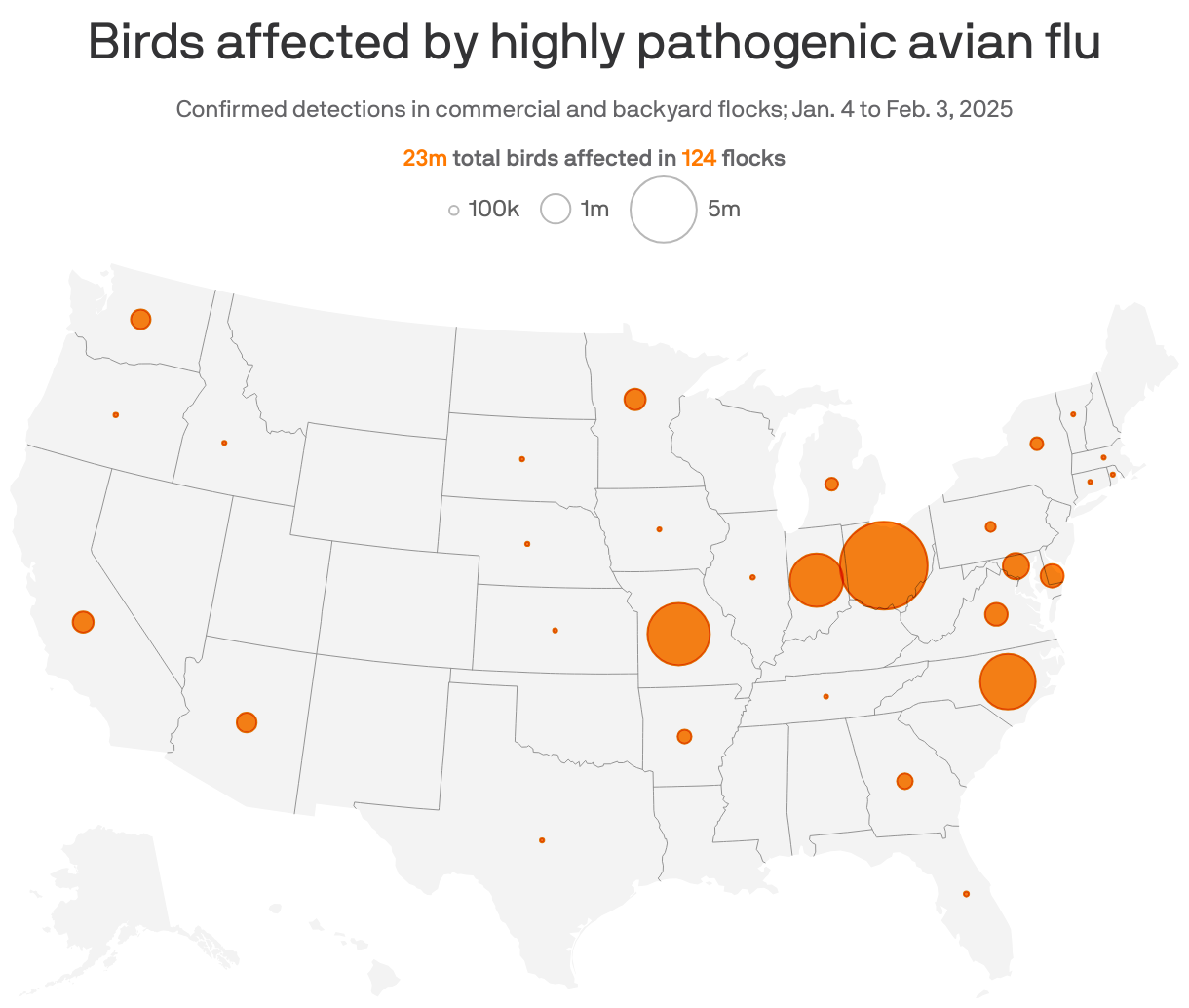
The volatility of the virus was highlighted when the Netherlands Food and Consumer Product Safety Authority (NVWA) registered the first infected company in over six months on October 7, 2025 NVWA outbreak registration. This specific outbreak occurred in Gasselternijveenschemond, in the province of Drenthe, where 71,000 chickens were culled to prevent further spread poultry culling figures. The speed of the spread was alarming, with five infected locations reported in just over a week Dutch outbreak frequency.
Containment and Biosecurity Measures
To combat these recurring outbreaks, authorities rely on a set of routine but stringent measures designed to break the chain of transmission. These include:
- Housing Mandates (Ophokplicht): Requiring poultry to be kept indoors to prevent contact with wild birds, which are the primary carriers of the virus.
- Culling: The rapid removal and destruction of infected flocks to stop the virus from spreading to neighboring farms.
- Enhanced Biosecurity: Implementing strict hygiene protocols, such as disinfecting equipment and limiting visitor access to farms, to prevent the mechanical transfer of the virus.
These measures often create tension between the economic interests of poultry farmers—who face massive losses during culls—and the public health necessity of eradicating the virus. Beyond these immediate reactions, there is an ongoing professional debate regarding long-term solutions, including the possibility of vaccinating poultry and implementing structural changes to the supply chain to reduce vulnerability long-term avian flu strategies.
What This Means for Global Public Health
The intersection of animal outbreaks and human immunity creates a complex risk profile. While the poultry sector remains in a state of high alert, the discovery that seasonal flu defenses might offer some protection against H5N1 changes the calculus for pandemic preparedness. It suggests that maintaining high rates of seasonal influenza vaccination is not only beneficial for preventing the winter flu but may also serve as a secondary line of defense against more exotic zoonotic threats.
However, the risk of a “zoonotic jump”—where a virus evolves to pass easily from animals to humans—cannot be ignored. The constant circulation of the virus in birds provides more opportunities for the virus to mutate. The dual approach of maintaining animal biosecurity and encouraging human vaccination remains the most effective strategy for preventing a future pandemic.
Key Takeaways on Bird Flu and Human Immunity
- Existing Protection: People who have had the flu or received the flu shot may have some immunity against H5N1.
- Pandemic Risk: This potential cross-protection may make a human bird flu pandemic less devastating than previously feared.
- Animal Threat: Avian influenza remains a major threat to poultry, as seen in recent Dutch outbreaks where tens of thousands of birds were culled.
- Prevention: Strict biosecurity and housing mandates are essential to prevent the virus from jumping from wild birds to livestock.
Frequently Asked Questions
Can the regular flu shot protect me from bird flu?
While the seasonal flu vaccine is not designed specifically for H5N1, evidence suggests it may provide some level of cross-protective immunity that could reduce the vulnerability of the human population to avian strains.
Why are so many chickens culled during an outbreak?
Culling is a primary tool used by agricultural authorities to stop the virus from spreading. Because bird flu is highly contagious among poultry, removing infected flocks quickly is often the only way to protect other farms and prevent the virus from mutating further.
Is bird flu currently a threat to the general public?
For most people, the risk remains low. The virus primarily affects birds. However, public health officials continue to monitor the situation closely, especially for those in direct contact with poultry, to ensure that any jump to humans is detected and contained immediately.
The next critical checkpoint for public health officials will be the continued monitoring of avian influenza strains during the winter migration patterns of wild birds, which typically trigger new waves of outbreaks in the poultry sector. As we refine our understanding of cross-immunity, the integration of seasonal vaccination programs into broader pandemic preparedness strategies will likely become a priority.
Do you have questions about seasonal vaccinations or zoonotic diseases? Share your thoughts in the comments below or share this article with your network to spread accurate health information.
Keep reading