
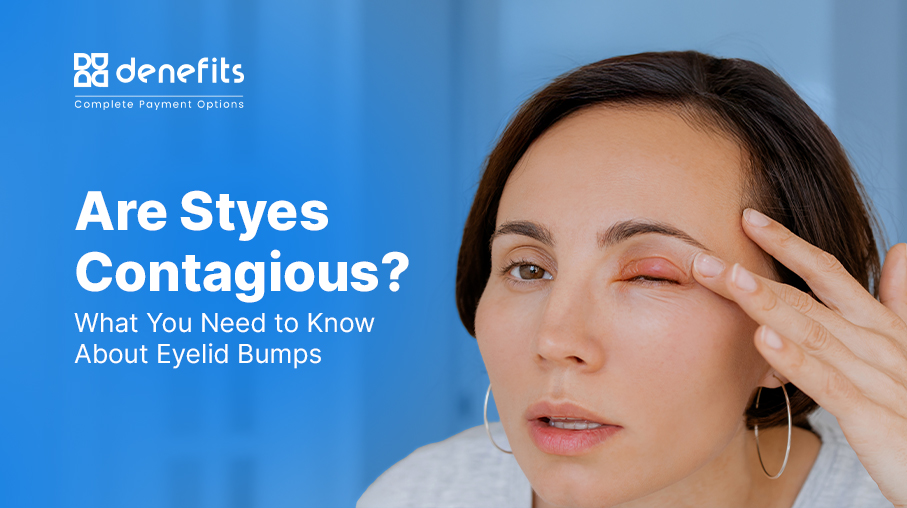
It usually begins as a slight tenderness, a localized sting that makes you reach for the mirror. By the next morning, a red, swollen bump has appeared on the edge of your eyelid, looking remarkably like a pimple in one of the most sensitive places on your body. For many, the immediate reaction is a mix of discomfort and anxiety, leading to the most common question I encounter in my practice: Are styes contagious?
The answer requires a nuanced medical distinction. While a stye itself—the actual inflammatory lump—is not contagious, the bacteria that typically cause the infection are. You cannot “catch” a stye from someone simply by being in the same room or through a casual conversation. However, the underlying pathogen can be transferred through shared personal items, which is where the risk of transmission actually lies.
As a physician and journalist, I have seen how easily misinformation spreads regarding eye health. Many people attempt to “pop” these bumps or use unverified home remedies that can lead to severe complications, including cellulitis. Understanding the biological mechanism of a stye is the first step in treating it safely and preventing its return.
A stye, known medically as a hordeolum, is an acute focal infection of the eyelid. To understand why they happen, we have to gaze at the eyelid’s complex drainage system. Your lids are equipped with various oil glands—specifically the Meibomian glands, which produce the oily layer of your tear film to prevent evaporation, and the glands of Zeis, which are associated with the eyelashes. When these glands become blocked by dead skin cells or thickened oil, they create a stagnant pool that becomes a breeding ground for bacteria.
The Science of Contagion: How Styes Actually Spread
To answer the question of whether styes are contagious, we must identify the culprit: Staphylococcus aureus. This bacterium is a common inhabitant of human skin and nasal passages. In most people, it exists harmlessly. However, when it finds its way into a clogged oil gland in the eyelid, it triggers an inflammatory response, leading to the formation of a stye. Because S. Aureus is highly transmissible via touch and fomites (inanimate objects), the bacteria can move from one person to another.
You are unlikely to develop a stye just by looking at someone else’s. The risk increases significantly when you share items that come into direct contact with the ocular area. This includes towels, washcloths, pillowcases, and, most critically, eye makeup. If a person with a stye uses a mascara wand and then shares that product, they are effectively transferring a concentrated colony of bacteria directly into another person’s eyelid margins. According to the American Academy of Ophthalmology, maintaining strict hygiene with cosmetic products is one of the most effective ways to prevent these infections.
self-inoculation is a common occurrence. If you touch a stye on your left eyelid and then rub your right eye, you can transfer the bacteria, leading to a secondary infection in the opposite lid. This is why hand hygiene is not just a suggestion, but a medical necessity when managing an eyelid bump.
Identifying the Bump: Stye vs. Chalazion
Not every bump on the eyelid is a stye. One of the most frequent diagnostic errors patients make is confusing a stye with a chalazion. While they look similar, their pathology and treatment differ.
A stye is an acute infection. This proves typically painful, red, and develops quickly. You will often notice a “head” or a small yellowish spot of pus at the center, indicating that the immune system is actively fighting the bacteria. The surrounding skin is usually tender to the touch and may feel warm.
A chalazion, conversely, is a chronic inflammatory condition. It occurs when a Meibomian gland is blocked, but without an active bacterial infection. A chalazion is generally less painful than a stye and develops more slowly. It feels like a firm, painless lump under the skin. While a stye may resolve in a few days, a chalazion can persist for weeks or months and may eventually require a minor surgical drainage procedure if it interferes with vision.
Common Symptoms of a Stye
- Localized Swelling: A red lump on the edge of the eyelid or inside the lid.
- Tenderness: Significant pain when the area is touched or when blinking.
- The “Gritty” Sensation: A feeling as if a piece of sand or a foreign object is trapped in the eye.
- Crusting: The accumulation of dried discharge along the lash line, especially upon waking.
- Ocular Sensitivity: Increased watering of the eye or mild sensitivity to bright light.
How to Safely Treat an Eyelid Bump
The goal of stye treatment is to encourage the blocked gland to open and drain naturally. The most effective, evidence-based method is the application of heat. Heat reduces the viscosity of the trapped oils, allowing them to flow out of the gland and relieving the pressure.
The Gold Standard: Warm Compresses
Apply a clean, warm washcloth to the affected eye for 10 to 15 minutes, three to four times a day. The water should be warm but not scalding to avoid burning the delicate eyelid skin. If the cloth cools, re-soak it to maintain a consistent temperature. This process helps liquefy the hardened secretions and promotes the natural drainage of the abscess.

Lid Hygiene and Scrubs
To remove crusting and reduce the bacterial load on the eyelid margin, gentle cleansing is essential. You can use a diluted, tear-free baby shampoo on a cotton swab or purchase over-the-counter eyelid wipes. Gently scrubbing the lash line helps prevent further blockage of neighboring glands.
The Absolute Rule: Do Not Pop
It is tempting to treat a stye like a pimple, but this is dangerous. Squeezing or popping a stye can push the infection deeper into the eyelid tissues. In rare but serious cases, this can lead to preseptal cellulitis—a spreading infection of the eyelid and surrounding skin—or even orbital cellulitis, which can threaten vision and requires urgent intravenous antibiotics. As noted by the Mayo Clinic, the safest approach is to let the stye rupture and drain on its own.
Prevention Strategies for High-Risk Individuals
Some people are more prone to recurring styes than others. If you find yourself dealing with these bumps frequently, it is often a sign of an underlying issue with eyelid hygiene or a chronic skin condition.
Cosmetic and Contact Lens Discipline
For those who wear makeup or contact lenses, the risk of bacterial introduction is higher. I recommend the following protocol:
- The Three-Month Rule: Replace mascara and liquid eyeliner every three months to prevent the buildup of bacteria.
- Zero Sharing: Never share makeup brushes, eyeliners, or mascara with others, regardless of how close the relationship is.
- Nightly Cleansing: Always remove eye makeup before sleep. Leaving product on the lids overnight significantly increases the chance of gland blockage.
- Lens Hygiene: Wash hands thoroughly before inserting or removing contact lenses. Use only fresh sterile solution; never “top off” old solution or use tap water.
Managing Chronic Conditions
Recurring styes are often linked to two primary conditions: Blepharitis and Ocular Rosacea.
Blepharitis is a chronic inflammation of the eyelid margins, often characterized by dandruff-like scales at the base of the eyelashes. This inflammation disrupts the oil glands, making them more likely to clog. A daily regimen of lid scrubs and warm compresses is usually required to manage this condition.
Ocular Rosacea is an extension of the skin condition rosacea. It causes redness and inflammation of the eyelids, which can thicken the oil produced by the Meibomian glands. Because the oil becomes more viscous, it is more prone to trapping S. Aureus bacteria. Patients with rosacea may require prescription topical or oral medications to manage the underlying inflammation.
When to Witness an Ophthalmologist
While most styes resolve within seven to ten days with home care, some cases require medical intervention. You should seek professional help if you experience any of the following “red flags”:
- Vision Changes: Any blurring or loss of vision accompanying the bump.
- Spreading Redness: If the redness extends beyond the eyelid to the cheek or other parts of the face.
- Severe Swelling: If the eyelid swells so much that the eye cannot be opened.
- Lack of Progress: If the stye does not show signs of improvement after 48 to 72 hours of consistent warm compresses.
- Internal Location: If the bump is located on the inside of the lid (an internal hordeolum), it may require a professional incision, and drainage.
Summary Checklist for Stye Management
| Action | Recommended Method | Frequency |
|---|---|---|
| Drainage | Warm, moist compress | 3-4 times daily |
| Cleaning | Tear-free baby shampoo or lid wipes | Twice daily |
| Prevention | Replace mascara/eyeliner | Every 3 months |
| Safety | Avoid popping or squeezing | Always |
Frequently Asked Questions
Can a stye spread to the other eye?
Yes, but not through the air. It spreads via “auto-inoculation.” If you touch the infected stye and then rub the other eye, you can transfer the bacteria, potentially causing a second stye to form.

Can I wear contact lenses while I have a stye?
It is strongly advised to switch to glasses until the stye is fully healed. Contact lenses can trap bacteria against the cornea, increasing the risk of a corneal ulcer or other serious infections.
Does an itchy stye mean it is healing?
Often, yes. As the inflammation subsides and the skin begins to repair itself, the body releases histamines, which can cause a tingling or itching sensation. As the bump begins to drain, the shift in internal pressure can feel ticklish.
Can I use a needle to drain a stye?
Absolutely not. Attempting to drain a stye with a needle or any non-sterile instrument introduces latest bacteria and risks causing a systemic infection. Only a licensed medical professional should perform an incision and drainage.
Managing a stye is largely a matter of patience and hygiene. By focusing on heat and cleanliness, most individuals can resolve the issue without needing prescription antibiotics. If you are experiencing recurring eyelid bumps, I encourage you to schedule a comprehensive eye exam to rule out chronic blepharitis or Meibomian gland dysfunction.
For those seeking further guidance, the American Academy of Ophthalmology regularly updates its patient safety advisories regarding ocular infections. We invite you to share your experiences in the comments below or share this guide with anyone struggling with eyelid inflammation.