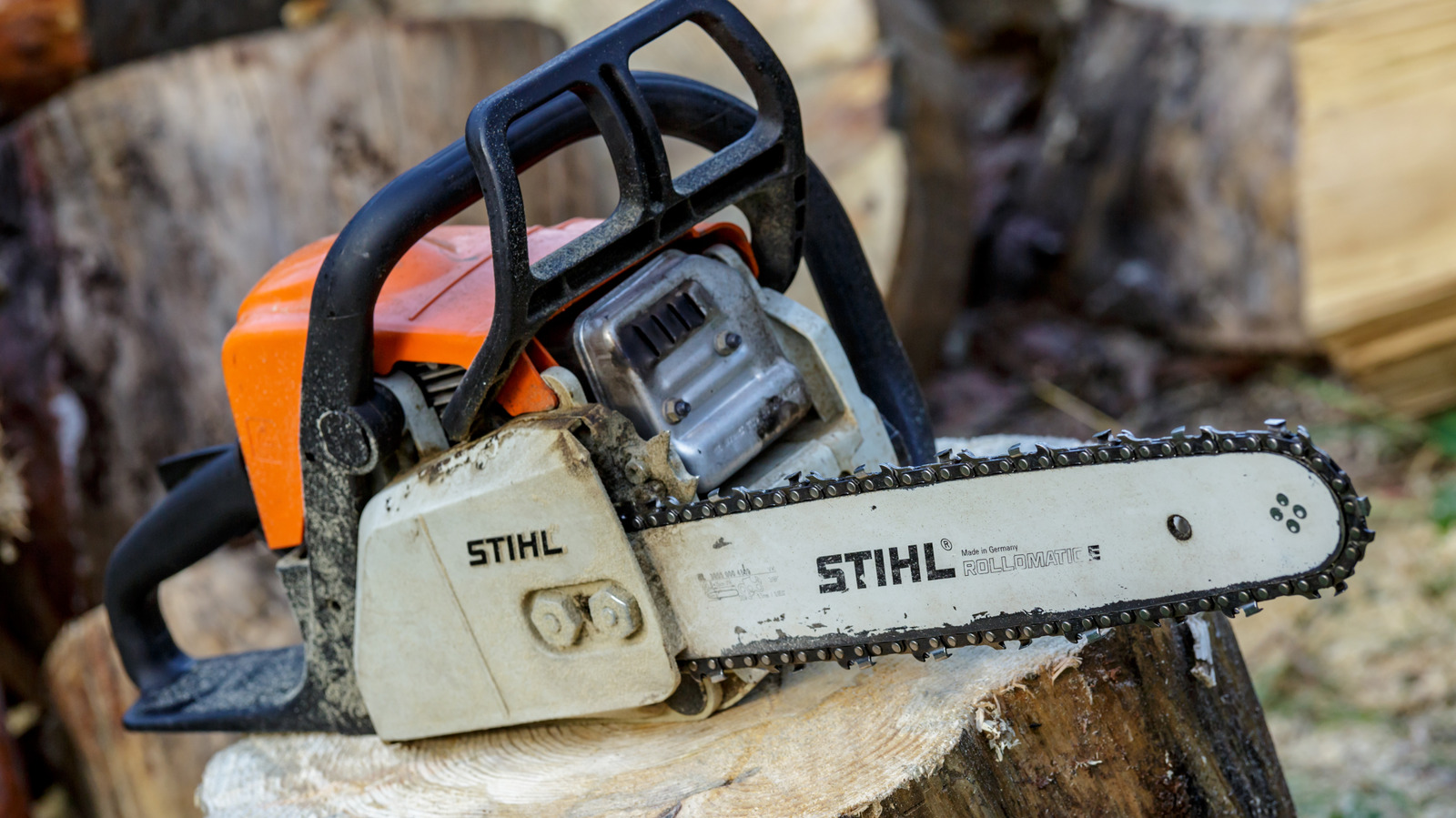
Frequent Stihl chainsaw problems often stem from improper fuel mixtures, clogged carburetors, fouled spark plugs, and incorrect chain tension. Addressing these mechanical issues through regular maintenance can prevent engine seizure and ensure operational safety during heavy-duty woodcutting tasks.
While Stihl remains a dominant manufacturer in the professional and consumer forestry markets, even high-tier equipment is susceptible to mechanical failure. Most reported issues do not arise from inherent manufacturing defects but rather from fuel degradation, improper lubrication, or neglected maintenance schedules. Understanding the mechanics behind these frequent failures allows operators to troubleshoot issues before they lead to expensive engine repairs or complete tool failure.
Why do Stihl chainsaws struggle to start?
The most common reason a Stihl chainsaw fails to start involves the ignition system or the fuel delivery mechanism. If the engine turns over but fails to ignite, the issue is frequently a fouled spark plug or a lack of fuel reaching the combustion chamber. A spark plug becomes fouled when carbon deposits or oil residue build up on the electrodes, preventing the electrical arc necessary for ignition.
Technicians often identify air leaks in the fuel lines as a secondary cause for starting difficulties. Small cracks in the rubber fuel lines, caused by exposure to UV light or aging, allow air to enter the system. This air prevents the fuel pump from maintaining the necessary vacuum to pull gasoline from the tank to the carburetor. When air enters the lines, the engine experiences “lean” conditions, where there is too much air and not enough fuel, which can lead to catastrophic engine overheating.
Operators should also inspect the primer bulb and the choke mechanism. If the choke is not properly engaged during a cold start, the air-to-fuel ratio will be incorrect, preventing the engine from firing. Conversely, if the choke remains engaged during a warm start, the engine will “flood,” meaning an excessive amount of fuel has entered the cylinder, effectively drowning the spark.
How does fuel quality impact chainsaw performance?
Fuel contamination is a primary driver of carburetor failure in small two-stroke engines. Stihl chainsaws require a specific mixture of gasoline and two-cycle engine oil to lubricate the internal components. Using straight gasoline without the appropriate oil ratio will cause immediate engine seizure, as the piston and cylinder lack the necessary lubrication to manage the intense heat of combustion.
The presence of ethanol in modern gasoline presents a significant risk to chainsaw longevity. According to various small engine specialists, ethanol is hygroscopic, meaning it actively attracts moisture from the air. When ethanol-blended fuel sits in a chainsaw tank for extended periods, the water can separate from the fuel, a process known as phase separation. This water-heavy mixture can corrode the internal components of the carburetor and prevent the engine from running reliably.
Furthermore, ethanol can lead to the formation of “varnish” within the carburetor. As the lighter components of the fuel evaporate, a sticky, resinous residue remains. This residue clogs the microscopic jets and orifices inside the carburetor, preventing the precise fuel metering required for a steady idle and consistent power delivery. To mitigate this, many professional users opt for ethanol-free gasoline or utilize specialized fuel stabilizers to prevent degradation during storage.
What are the signs of chain and bar maintenance issues?
Improper chain tension and inadequate lubrication are leading causes of mechanical strain and safety hazards. A chain that is too tight places excessive lateral pressure on the crankshaft bearings and the guide bar, which can lead to premature component failure. If the chain cannot move freely around the bar when pulled with a glove, the tension is likely too high.
On the other hand, a loose chain poses a severe safety risk. A loose chain can “throw” or jump off the guide bar during operation, potentially causing injury to the operator or damage to the machine’s housing. Operators must check tension regularly, especially as the chain heats up during use, as thermal expansion can cause the metal to expand and tighten the fit.
Lubrication issues often manifest as excessive heat or “blueing” on the guide bar. If the automatic oiler is clogged or the oil reservoir is empty, the friction between the chain and the bar increases exponentially. This heat can temper the metal, making the bar brittle, and can eventually cause the chain to snap. Regular cleaning of the oil inlet holes and ensuring the use of high-quality bar and chain oil are essential steps in preventing these issues.
Additionally, a dull chain increases the physical effort required to cut, which forces the operator to apply more downward pressure. This extra pressure can cause the saw to “dive” into the wood unpredictably, increasing the risk of kickback. A sharp chain should pull itself into the wood with minimal downward force from the user.
Why is my chainsaw losing power or overheating?
Loss of power and overheating are often symptoms of restricted airflow or exhaust blockage. A chainsaw relies on a constant flow of oxygen to maintain efficient combustion. If the air filter is clogged with sawdust, oil residue, or debris, the engine cannot “breathe,” resulting in a loss of RPMs and increased fuel consumption.
The spark arrestor screen, located within the muffler, is another critical component that requires regular inspection. This small metal screen is designed to catch glowing embers to prevent wildfires, but it can easily become clogged with carbon deposits from the two-stroke oil. When the screen is blocked, exhaust gases cannot exit the engine efficiently, creating backpressure that causes the engine to run hot and lose power. In extreme cases, a heavily clogged spark arrestor can cause the engine to stall completely.
Overheating can also be a sign of a failing cooling fin system. The cylinder fins are designed to dissipate the intense heat generated during operation. If these fins are coated in a thick layer of oil and sawdust, they lose their ability to transfer heat to the surrounding air, leading to rapid temperature spikes. Maintaining clean fins and ensuring the engine is not being operated in excessively hot environments or under continuous high-load conditions without breaks can help prevent thermal damage.
Common Stihl Chainsaw Troubleshooting Guide
| Symptom | Potential Cause | Recommended Action |
|---|---|---|
| Engine won’t start | Fouled spark plug or empty fuel tank | Replace spark plug or refill with fresh mix |
| Engine stalls under load | Clogged air filter or fuel starvation | Clean/replace filter or check fuel lines |
| Chain won’t move | Excessive tension or broken drive link | Adjust tension or inspect chain for damage |
| Excessive vibration | Imbalanced chain or loose components | Check chain mounting and tighten all bolts |
| Loss of power | Clogged spark arrestor or old fuel | Clean muffler screen or drain old fuel |
Frequently Asked Questions
How often should I change the chainsaw oil?
For most Stihl models, the bar and chain oil should be topped up every time you refuel the gasoline. For the engine oil (the 2-cycle mix), you should always use a fresh mixture if the fuel has been sitting in the machine for more than 30 days.
Can I use regular automotive oil in my Stihl chainsaw?
No. Automotive oil is designed for four-stroke engines and lacks the specific additives required to lubricate a two-stroke engine’s high-RPM environment. Using automotive oil will result in heavy smoke, carbon buildup, and eventual engine seizure.
Why is my chainsaw smoking more than usual?
Increased smoke is often a sign of an incorrect fuel-to-oil ratio (too much oil) or a heavily fouled air filter. If the smoke is accompanied by a loss of power, the spark arrestor may also be partially blocked.
What is the best way to store my chainsaw for the winter?
The most reliable method is to drain all fuel from the tank and the carburetor. Run the engine until it stalls to ensure no residual fuel remains in the lines, which prevents varnish buildup over the off-season.
For more detailed maintenance schedules, users should consult the specific operator’s manual provided by Stihl for their exact model number.
The next scheduled update regarding small engine safety standards or manufacturer service bulletins will be monitored by our tech desk. If you have encountered these issues with your equipment, please share your troubleshooting experiences in the comments below.
Keep reading