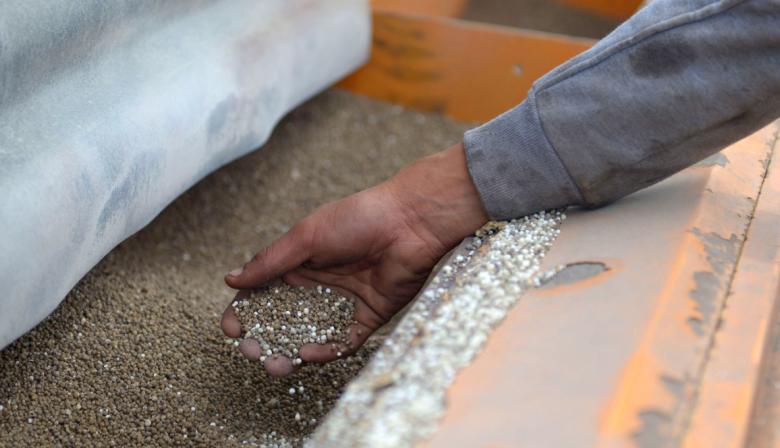
Global fertilizer consumption saw a modest increase of 3% in 2025, reaching 5.1 million tonnes, according to preliminary estimates from Fertilizar, an Argentinian civil association dedicated to promoting responsible fertilizer use. While this growth signals a recovery from previous adjustments in the sector, experts caution that increased fertilizer application doesn’t automatically translate to improved crop quality, particularly when application rates are compromised. This delicate balance between quantity and quality is becoming increasingly critical as global soil health continues to decline, impacting food security and agricultural sustainability.
The uptick in fertilizer use follows a period of fluctuating demand, initially hampered by a smaller late-season maize crop in the 2024/25 campaign. However, favorable climatic conditions and replenished soil moisture levels spurred a rebound, benefiting the production of key grains like wheat and maize. María Fernanda González Sanjuan, the executive manager of Fertilizar, highlighted this recovery, stating that the results “ratify the positive trend initiated in 2024, allowing the sector to recover volume after the adjustments of previous years.” This positive momentum, however, is tempered by concerns over the quality of wheat produced, despite record harvests.
The Quality vs. Quantity Dilemma in Wheat Production
Argentina experienced a record wheat harvest of 27.7 million tonnes in 2025, a significant achievement for the nation’s agricultural sector. However, this increased production came at a cost: a noticeable decline in grain quality. The issue stems from reduced fertilizer doses applied per hectare, even as the planted area for wheat expanded. This suggests a prioritization of acreage over optimal nutrient management, a trend that raises concerns about the long-term health of agricultural lands and the nutritional value of crops.
González Sanjuan emphasized the importance of addressing this imbalance, stating, “In a widespread context of soils losing fertility, we must be attentive to nutrition to avoid sacrificing quantity or quality of grain produced.” The challenge lies in ensuring that farmers have access to the resources and knowledge necessary to apply fertilizers effectively, maximizing yields while maintaining grain quality and minimizing environmental impact. Fertilizer application isn’t simply about adding nutrients; it’s about providing plants with the precise balance they need for optimal growth and development.
Fertilizer Demand Driven by Pastures and Maize
The growth in fertilizer consumption in early 2025 was largely driven by demand from the pasture sector, with nitrogenous fertilizers increasing by 11% and phosphatic fertilizers by 52% compared to the previous year. This surge reflects the importance of pastureland in Argentina’s agricultural system, providing feed for livestock and contributing to overall agricultural productivity. Towards the finish of the year, favorable weather conditions, an expansion of maize acreage, and improved price ratios further incentivized technological investment in spring-summer plantings.
Fertilizer’s role extends beyond simply boosting yields. Nitrogen, a key component of fertilizers, is crucial for plant growth and protein synthesis. Phosphorous is essential for root development and energy transfer. Potassium regulates water balance and enhances disease resistance. Without adequate levels of these nutrients, crops are more susceptible to stress, resulting in lower yields and reduced nutritional value. The World Fertilizer Day, observed annually, highlights the critical role of fertilizers in global food production, a fact underscored by the association’s executive director, María Fernanda González Sanjuan, in a recent appearance on Canal E (YouTube).
Fertilizer and Global Food Security
The global reliance on fertilizers is substantial. According to Fertilizar, approximately 50% of the world’s population relies on increased food production facilitated by nitrogen-based fertilizers. This statistic underscores the vital role of fertilizer technology in supporting a growing global population. However, this reliance also comes with environmental concerns, including greenhouse gas emissions and water pollution. Sustainable fertilizer management practices are therefore essential to mitigate these risks and ensure long-term food security.
The association celebrated the continued investment in productive efficiency by farmers, but also stressed the need for more in-depth diagnostics ahead of the 2026/27 campaign. “From FERTILIZAR, we celebrate that the producer continues to bet on productive efficiency. However, in the face of the new 2026/27 campaign, it is vital to deepen the diagnoses,” González Sanjuan stated. This call for more detailed soil analysis and nutrient management planning reflects a growing awareness of the importance of precision agriculture and the need to tailor fertilizer applications to specific crop needs and soil conditions.
The Long-Term Impact of Soil Nutrient Depletion
Years of negative nutrient balances have led to a decline in the natural provision of nutrients in many soils. This depletion poses a significant threat to long-term agricultural productivity and sustainability. González Sanjuan emphasized that “After years of negative nutrient balances, the soils present decreases in their natural provision. Being accurate with the doses is the only way to avoid compromising future yields.” Addressing this issue requires a holistic approach that includes soil testing, balanced fertilization, and the adoption of sustainable farming practices such as crop rotation and cover cropping.
The situation in Argentina mirrors a global trend of declining soil health. Intensive agricultural practices, coupled with climate change, are accelerating soil degradation, reducing its ability to support plant growth and provide essential ecosystem services. Investing in soil health is therefore crucial for ensuring food security, protecting biodiversity, and mitigating climate change. This investment includes not only fertilizer application but also practices that enhance soil organic matter, improve water infiltration, and reduce erosion.
María Fernanda González Sanjuan is currently the Director Ejecutivo at FERTILIZAR Asociación Civil, according to her LinkedIn profile. The organization marked its 30th anniversary in October 2024, reaffirming its commitment to crop nutrition and soil health. The celebration brought together over 150 stakeholders, including farmers, technicians, advisors, and journalists, to discuss the challenges and opportunities facing the agricultural sector. The event also coincided with World Fertilizer Day, highlighting the importance of fertilizers in food production.
The future of agriculture depends on our ability to manage soil resources sustainably. This requires a shift towards more precise and efficient fertilizer application, coupled with a broader adoption of practices that enhance soil health and resilience. By prioritizing soil health, we can ensure that future generations have access to safe, nutritious, and affordable food.
Looking ahead, the focus will be on implementing more comprehensive soil diagnostics and refining fertilizer recommendations for the 2026/27 growing season. Continued monitoring of fertilizer consumption trends and grain quality will be essential to inform policy decisions and guide agricultural practices. The ongoing dialogue between researchers, farmers, and policymakers will be crucial for navigating the complex challenges facing the agricultural sector and ensuring a sustainable future for food production.
What are your thoughts on the balance between fertilizer use and crop quality? Share your comments below and let’s continue the conversation.