Argentina Prioritizes Holistic Assessment in Physical Education, Modern Report Reveals
Mar del Plata, Argentina – A new report assessing evaluation practices in Physical Education (PE) classrooms across Mar del Plata reveals a significant shift towards prioritizing student progress, effort, and participation over traditional grading metrics and standardized fitness tests. The findings, presented on February 20th at the Quilmes Club during the “12 Ideas for Physical Education” conference, offer a detailed diagnosis of how PE is evaluated and the challenges facing educators in the region. This study marks the first implementation of the EVALEF Barometer methodology in Argentina, a global initiative aimed at enhancing the quality of PE instruction.
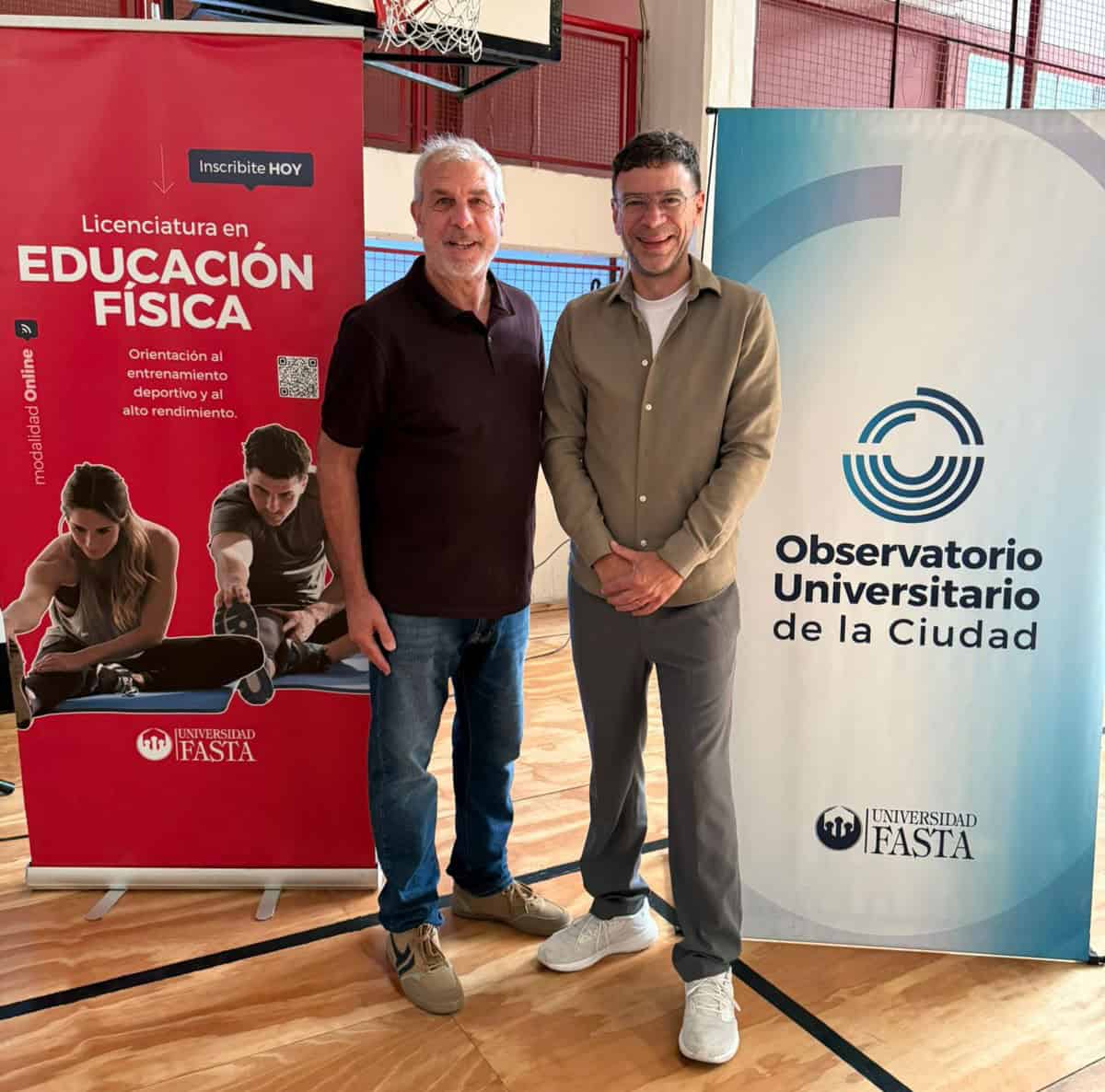
The research, a collaborative effort between the City University Observatory and the FASTA University Physical Education and Sports Observatory, is based on a survey conducted among PE teachers during the second semester of 2025. It provides valuable insights into the current state of evaluation within the school environment of Mar del Plata, highlighting a growing emphasis on formative assessment and a pedagogical focus on performance improvement. The report’s findings are particularly relevant as educators worldwide grapple with evolving approaches to student assessment and the importance of fostering a positive learning environment.
The core takeaway from the study is that the vast majority of teachers view evaluation not as a tool for simply assigning grades, but as a means to support learning, monitor student development, and refine their teaching practices. This represents a significant departure from more traditional, summative assessment models that often prioritize quantifiable results. The shift reflects a broader trend in education towards prioritizing holistic student development and recognizing the value of non-cognitive skills, such as teamwork and effort.
Emphasis on Continuous Assessment and Individual Progress
The report demonstrates a clear preference for continuous evaluation methods, with 64% of surveyed teachers stating they assess students “at all times of the educational process.” FASTA University’s Physical Education Observatory, a key partner in the study, emphasizes this transition signifies a move away from evaluation as a final exam and towards ongoing support and feedback. This approach allows teachers to identify areas where students are excelling and where they may need additional assistance, fostering a more personalized learning experience.
When assigning grades, teachers overwhelmingly prioritize individual student progress, effort, and dedication to responsibility. These qualitative factors are considered more valuable than specific technical or athletic achievements. This finding underscores a commitment to recognizing and rewarding students for their growth and commitment, rather than solely focusing on their inherent abilities. The study found that teachers rated the importance of improving the teaching-learning process at 4.7 out of 5, significantly higher than the value placed on grading or measuring physical fitness.
Tools and Techniques Used in Evaluation
The report identifies a shift in the instruments used to evaluate students in Physical Education. Direct observations, rubrics, and contextualized game situations are now the predominant tools, replacing traditional physical fitness tests. This change reflects a growing understanding of the limitations of standardized tests in accurately assessing a student’s overall physical literacy and engagement with the subject. Rubrics, in particular, provide a clear and transparent framework for evaluating student performance based on specific criteria, while game situations allow teachers to assess students’ skills in a more authentic and engaging context.
The Quilmes Club, a historic institution in Mar del Plata with a century-long commitment to social and sporting activities, served as the venue for the report’s presentation. Club Atlético Quilmes has also expanded its offerings to include educational services, recognizing the importance of integrating academic and athletic pursuits. The club’s facilities, including multiple gyms and dedicated spaces for various activities, provide a valuable resource for the community.
Challenges and Future Directions
Despite the positive trends identified in the report, challenges remain. The study reveals that final grades are still largely determined by individual teachers, with limited student involvement in self-assessment or collaborative grading processes. This suggests a need for further professional development to empower students to take ownership of their learning and participate more actively in the evaluation process. Encouraging dialogic assessment, where students and teachers engage in a conversation about learning and progress, could be a valuable step in addressing this challenge.
Alejandro De Brandi, director of the Physical Education Observatory from FASTA University, emphasized the importance of evidence-based evaluation practices. “The production of evidence on how teachers evaluate allows us to identify strengths and tensions, in addition to guiding future educational policies and training programs,” he stated. The report serves as a crucial starting point for a national survey that the UFASTA Observatories is extending to other regions of Argentina, aiming to strengthen Physical Education across the country.
Implications for Physical Education Nationwide
The findings from Mar del Plata offer valuable lessons for educators and policymakers across Argentina. The emphasis on holistic assessment, continuous evaluation, and student-centered learning aligns with broader educational reforms aimed at fostering a more equitable and effective learning environment. By prioritizing effort, participation, and individual progress, schools can create a more inclusive and motivating experience for all students, regardless of their athletic abilities.
The adoption of the EVALEF Barometer methodology in Argentina represents a significant step towards improving the quality of Physical Education instruction. This standardized approach allows for the collection of comparable data across different regions, enabling researchers and policymakers to identify best practices and address systemic challenges. The ongoing national survey promises to provide a comprehensive picture of the state of Physical Education in Argentina, informing future investments and initiatives.
The shift towards more formative and holistic assessment practices in Physical Education is not unique to Argentina. Globally, educators are increasingly recognizing the importance of evaluating students on a range of skills and attributes, beyond simply their academic performance. This trend reflects a growing understanding of the interconnectedness of physical, cognitive, and social-emotional development, and the crucial role that Physical Education plays in fostering well-rounded individuals.
As the UFASTA Observatories continue their national survey, it will be crucial to monitor the implementation of these findings and to provide ongoing support to teachers as they adapt their evaluation practices. By embracing a more holistic and student-centered approach, Argentina can ensure that all students have the opportunity to benefit from a high-quality Physical Education experience.
The next step in this research will be the analysis of data collected from other regions of Argentina, expected to be completed by the end of 2026. This expanded dataset will provide a more comprehensive understanding of evaluation practices nationwide and inform the development of targeted professional development programs for PE teachers.
What are your thoughts on the evolving landscape of Physical Education assessment? Share your comments below and let us know how these findings resonate with your experiences.
Keep reading