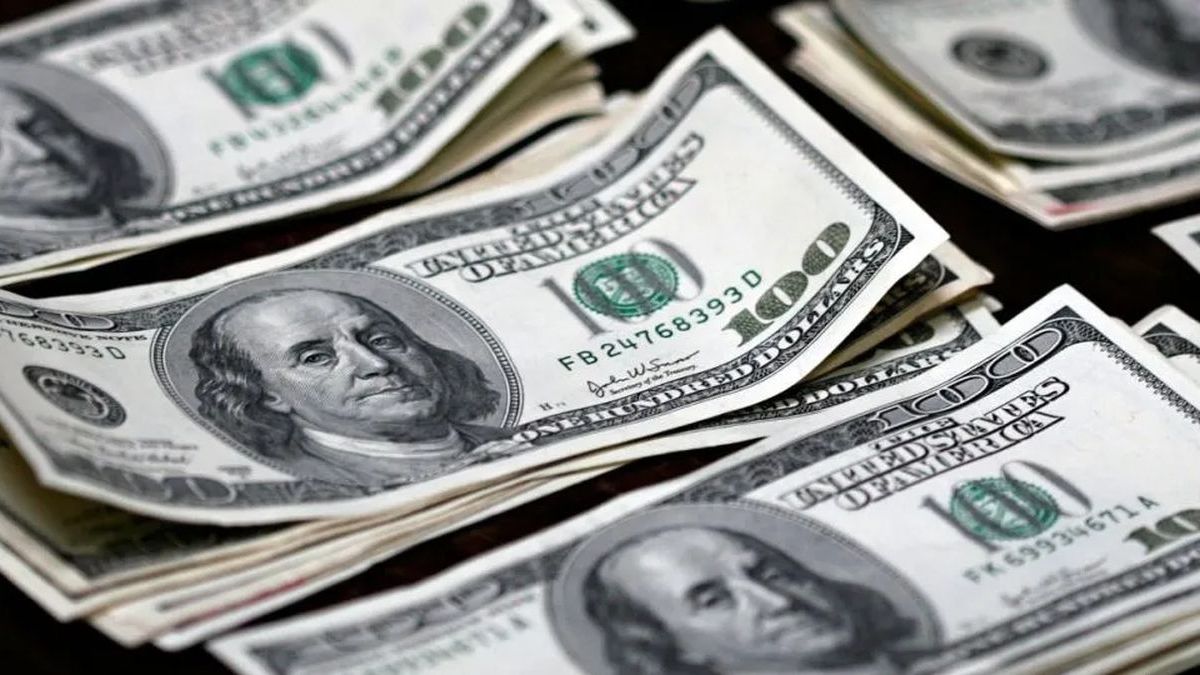
Argentina’s Dollar Crisis Intensifies: Record Currency Band Gap Tests Milei Administration
BUENOS AIRES — Argentina’s parallel dollar exchange rate has surged to its highest level in a year against the official ceiling of the currency band, deepening economic uncertainty as President Javier Milei’s administration faces mounting pressure to address a widening gap between the official and black-market rates. The latest data shows the unofficial dollar rate reaching approximately $1,400 per USD, marking a significant divergence from the central bank’s managed exchange rate and raising concerns about capital flight and inflationary pressures.
Economic analysts warn the growing disparity between the official and parallel markets could undermine confidence in Argentina’s financial stability, particularly as the government continues its aggressive fiscal consolidation program. The situation comes as Argentina’s country risk premium has fallen to multi-year lows—reportedly below 1,400 basis points as of May 2026—sparking debates about whether the central bank’s interventions are sustainable or if a more flexible exchange rate policy is needed.
While the official peso remains stable within the central bank’s managed band, the parallel market—where most Argentines access dollars for imports and savings—has seen dramatic volatility. This dual-market system, a legacy of Argentina’s long-standing economic crises, has left businesses and households vulnerable to sudden shifts in purchasing power. The gap between the official rate and the parallel rate now stands at its widest point since May 2025, according to multiple market sources.
Why the Currency Band Gap Matters
The currency band system, established by the central bank, is designed to provide stability by allowing the peso to fluctuate within a predefined range. However, the growing gap between the official rate and the parallel market rate—where dollars are traded without government oversight—highlights persistent distrust in the formal financial system. For Argentines, the parallel rate is often the de facto exchange rate, as it reflects the true cost of dollars for essential imports like medicine, fuel, and technology.
Economists attribute the widening gap to several factors:
- Capital controls: Restrictions on dollar purchases have pushed transactions into informal markets.
- Inflation expectations: With annual inflation nearing 40% in 2025, Argentines are increasingly converting pesos to dollars as a hedge.
- Fiscal tightening: President Milei’s austerity measures, while reducing deficits, have also constrained liquidity in the formal economy.
- Global risk sentiment: Improved investor confidence in Argentina’s debt restructuring has led to outflows from the parallel market.
The central bank has responded with periodic interventions, including selling dollars and adjusting the band’s limits. However, these measures have had limited success in closing the gap, particularly as the parallel market remains resilient and deeply embedded in Argentina’s informal economy.
Stakeholders React: Businesses, Investors, and Households
For businesses, the dual exchange rate system creates significant challenges. Importers must navigate two pricing structures—one for official transactions and another for the parallel market—leading to operational complexities and higher costs. “The uncertainty is paralyzing for small and medium enterprises,” said a source close to the Argentine Chamber of Commerce, who requested anonymity. “We don’t know whether to price in pesos or dollars, and the gap is only getting worse.”

Investors, meanwhile, are closely watching whether the central bank will allow the peso to depreciate further within the band or if it will tighten controls to prevent capital flight. Some analysts suggest the government may need to adopt a more flexible exchange rate policy to align the official and parallel markets, though such a move could trigger short-term volatility.
Households are also feeling the squeeze. With wages lagging behind inflation and the parallel dollar rate, many Argentines are turning to informal channels to access dollars for essential purchases. This has exacerbated the country’s already high levels of informality, estimated at over 30% of the workforce.
What Happens Next: Policy Options and Risks
The Milei administration faces a delicate balancing act. On one hand, further tightening capital controls could deter foreign investment and deepen economic isolation. Allowing the peso to depreciate too rapidly could reignite inflation and erode savings.
Potential policy responses include:
- Adjusting the currency band: Widening the band to reflect market realities, though this could signal a loss of control over monetary policy.
- Enhancing dollar liquidity: Increasing the supply of dollars in the formal market to reduce pressure on the parallel rate.
- Structural reforms: Accelerating labor market formalization programs like the Regimen de Inclusión Fiscal Laboral (RIFL), which aims to reduce the informal economy by incentivizing formal employment.
- Debt restructuring negotiations: Ensuring that any new agreements with creditors provide sufficient flexibility for monetary policy.
Market participants are also eyeing the next central bank meeting, scheduled for May 20, 2026, where officials are expected to provide further guidance on the exchange rate strategy. Any announcement could trigger significant movements in both the official and parallel markets.
Key Takeaways
- The parallel dollar rate in Argentina has hit a one-year high, reaching approximately $1,400 per USD, while the official rate remains stable within the central bank’s managed band.
- The gap between the official and parallel rates reflects deep distrust in the formal financial system and persistent capital controls.
- President Milei’s fiscal consolidation program has reduced deficits but has also constrained liquidity, contributing to the dual-market dynamic.
- Businesses and households are increasingly reliant on the parallel market for dollar transactions, exacerbating economic informality.
- The central bank’s next policy announcement on May 20, 2026, could determine whether the government will adjust the currency band or take other measures to stabilize the exchange rate.
Broader Implications for Argentina’s Economy
Beyond the immediate currency market dynamics, the widening gap has broader implications for Argentina’s economic outlook. A stable exchange rate is critical for controlling inflation, attracting foreign investment, and sustaining growth. The current situation underscores the challenges of transitioning from decades of economic instability to a more predictable and transparent financial system.

For investors, the dual-market system remains a significant risk factor. While Argentina’s country risk premium has improved, the persistence of the parallel market suggests that confidence in the formal economy is still fragile. Analysts at international financial institutions have repeatedly emphasized the need for Argentina to address structural issues, including informality and fiscal sustainability, to achieve lasting stability.
The situation also highlights the delicate interplay between monetary policy and political will. President Milei’s administration has made bold reforms, but the currency market’s reaction suggests that further steps may be needed to align expectations with reality. Without a clear strategy to close the gap, the risk of renewed economic turbulence—including capital flight and inflation spikes—remains high.
Where to Find Official Updates
For the latest developments on Argentina’s economic policies and currency markets, readers can monitor the following authoritative sources:
- Central Bank of Argentina (BCRA) – Official statements and monetary policy updates.
- Ministry of Economy of Argentina – Government announcements on economic reforms.
- National Institute of Statistics and Censuses (INDEC) – Inflation and economic data.
- International Monetary Fund (IMF) – Analysis of Argentina’s economic programs.
What do you think? Will Argentina’s central bank adjust its currency band, or will the parallel market continue to dictate the real exchange rate? Share your insights in the comments below or on our social media channels. For more analysis on global economic trends, subscribe to World Today Journal and join our community of informed readers.
Keep reading