
How One Clinician’s Leadership Is Transforming Trauma-Informed Care in Massachusetts
Berlin, Germany — May 12, 2026 — The field of trauma-informed care received a major validation this week as Rudaun Graham, director of Building Bridges & Outreach at Cutchins Programs for Children & Families’ Three Rivers residential treatment program, was honored with the Department of Mental Health’s (DMH) Deborah Janssens Award. The recognition, presented at the 26th annual Restraint & Seclusion Prevention Initiative Provider Forum in Westborough on May 5, 2026, marks a milestone in Massachusetts’ ongoing efforts to eliminate harmful practices in behavioral healthcare.
Graham, who has dedicated 22 years to Cutchins, was one of just two recipients statewide to receive the award, which honors leaders who demonstrate exceptional commitment to reducing restraint and seclusion through trauma-informed, relationship-based approaches. His work has centered on implementing the Six Core Strategies framework and advancing the Building Bridges philosophy—both internationally recognized initiatives designed to strengthen partnerships among youth, families, and providers while fostering compassionate, evidence-based care.
The award underscores a growing movement in behavioral healthcare: the shift away from punitive measures like restraint and seclusion toward healing-centered environments where safety, dignity, and therapeutic relationships take precedence. For children and adolescents in residential treatment—particularly those with complex trauma histories—this approach can mean the difference between long-term recovery and repeated cycles of distress.
Why This Recognition Matters
The Deborah Janssens Award is named for a pioneering figure in behavioral healthcare whose legacy continues to shape modern practices. Janssens, described by colleagues as a “highly respected leader in the field,” championed trauma-informed care long before it became a mainstream priority. Her work laid the groundwork for initiatives like the Six Core Strategies, which Graham has championed at Three Rivers—a clinically intensive residential program serving children ages 6–12 with severe emotional, behavioral, and trauma-related challenges.

According to CDC data, approximately 6.9 million children in the U.S. Experience abuse or neglect annually, with many developing long-term mental health conditions requiring specialized care. Programs like Three Rivers address these needs by integrating:
- Trauma-informed care: An approach that recognizes the impact of trauma on behavior and prioritizes safety and trust.
- Family engagement: Involving parents and caregivers in treatment planning to strengthen support systems.
- Sensory- and body-based therapies: Techniques like sensory modulation, which help children regulate their emotions and physical responses.
- Reduction of restraint/seclusion: Shifting from punitive measures to de-escalation and therapeutic interventions.
Graham’s leadership has been instrumental in these efforts. As director of Building Bridges & Outreach, he oversees initiatives that align with Cutchins’ mission to create “healing-centered environments grounded in dignity, safety, compassion, and the voices of youth and families.” His work reflects a broader trend in Massachusetts, where the DMH has made reducing restraint and seclusion a top priority through policy and provider training.
Who Benefits from This Approach?
The impact of Graham’s work extends beyond Three Rivers. His advocacy for the Six Core Strategies and Building Bridges has influenced:
- Youth in care: Children with trauma histories often struggle with emotional dysregulation, attachment disorders, and behavioral challenges. Trauma-informed programs like Three Rivers provide structured, compassionate environments where they can develop coping skills and resilience.
- Families: Parents of children in residential treatment frequently face guilt, isolation, and financial strain. Programs that emphasize family engagement—such as Building Bridges—help rebuild trust and collaboration.
- Providers: Clinicians working in high-stress environments benefit from frameworks like the Six Core Strategies, which reduce burnout by fostering teamwork and ethical decision-making.
- Policy makers: Graham’s recognition aligns with Massachusetts’ broader goals to modernize behavioral healthcare. The DMH’s Restraint & Seclusion Prevention Initiative, now in its 26th year, serves as a model for other states grappling with similar challenges.
Tina Champagne, CEO of Cutchins Programs for Children & Families, praised Graham’s contributions in a statement: “Rudaun embodies the type of leadership and care that exemplifies the vision, mission, and values of Cutchins Programs for Children & Families, while remaining humble and always prioritizing the needs and goals of others. We are so proud of him and thrilled that he has been given this very special, distinguished honor and recognition by the Department of Mental Health.”
Trauma-Informed Care: What It Means and Why It Works
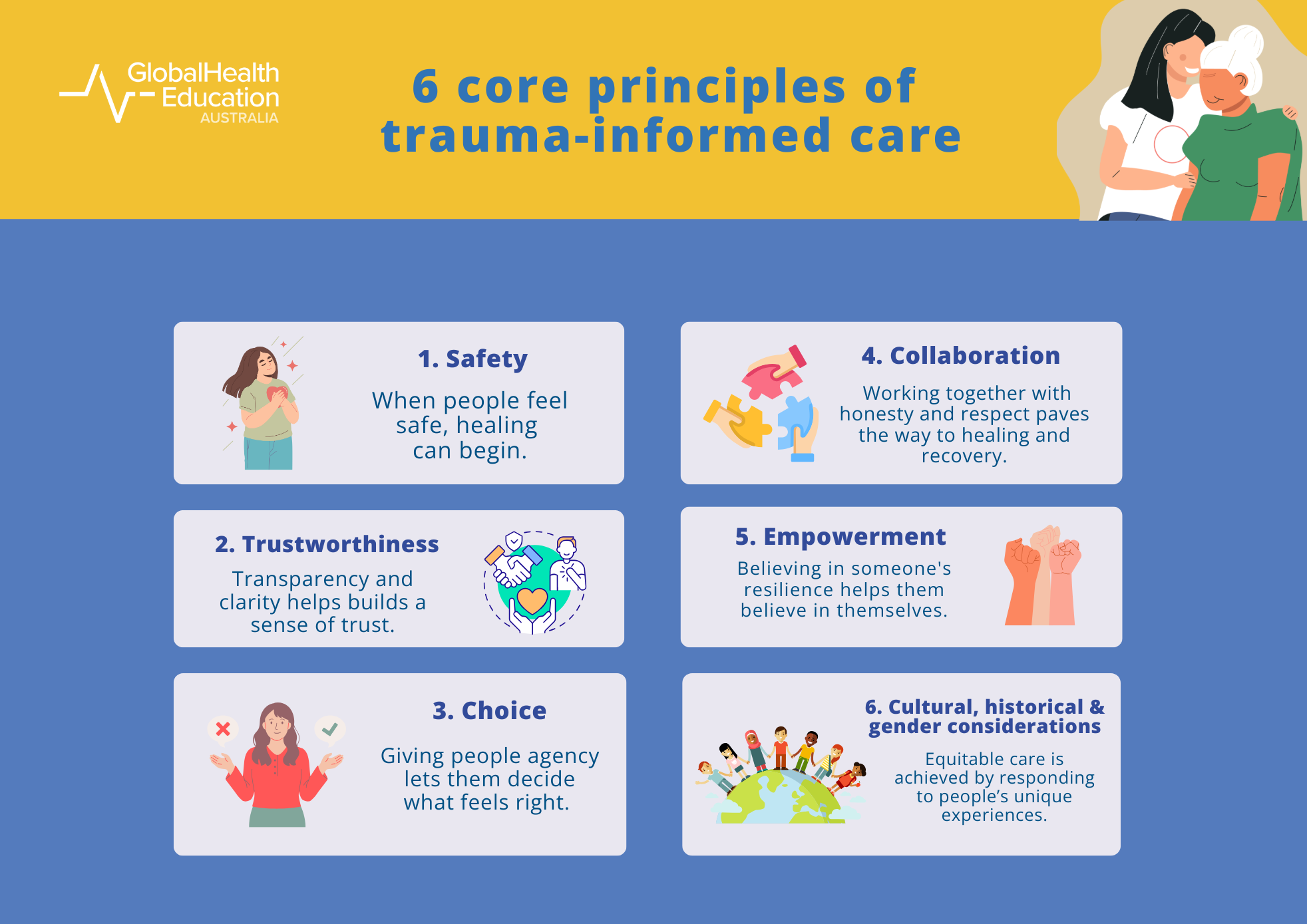
Trauma-informed care is built on the principle that understanding a person’s trauma history is essential to effective treatment. Unlike traditional approaches that may pathologize behavior, trauma-informed models focus on:
- Safety: Creating physically and emotionally secure environments.
- Trustworthiness: Building transparent, consistent relationships.
- Choice: Empowering individuals to participate in their own care.
- Collaboration: Involving families and communities in healing processes.
- Empowerment: Helping individuals regain control over their lives.
Research published in the Journal of the American Academy of Child & Adolescent Psychiatry (2023) found that trauma-informed interventions reduced rehospitalization rates by up to 40% in youth with complex trauma histories. Graham’s work at Three Rivers aligns with these findings, demonstrating that compassionate, evidence-based care can yield measurable improvements in outcomes.
What’s Next for Trauma-Informed Care in Massachusetts?
The DMH’s annual forum serves as a platform for sharing best practices and advancing policy changes. Key developments to watch include:
- Expansion of training programs: The DMH is scaling up workshops on the Six Core Strategies and sensory-based therapies for providers across the state.
- Legislative updates: Massachusetts lawmakers are reviewing proposals to further restrict the use of restraint and seclusion in residential facilities, with input from experts like Graham.
- Data collection: The DMH is enhancing its tracking of restraint/seclusion incidents to identify trends and measure progress toward elimination.
For families seeking trauma-informed care, resources include:
- Massachusetts Children’s Mental Health Services
- National Child Traumatic Stress Network (NCTSN)
- Cutchins Programs for Children & Families
As Graham’s award highlights, the future of behavioral healthcare lies in relationships—not restraints. His story is a testament to how leadership, evidence-based practices, and unwavering compassion can reshape systems to prioritize healing over punishment. For children and families navigating trauma, the impact of such innovations cannot be overstated.
Have you or a loved one benefited from trauma-informed care? Share your experiences in the comments below, or connect with us on X/Twitter or Instagram to continue the conversation.
Next Update: The DMH’s Restraint & Seclusion Prevention Initiative will host its next provider forum in early 2027. Stay tuned for coverage on emerging policies and training opportunities.
Keep reading