
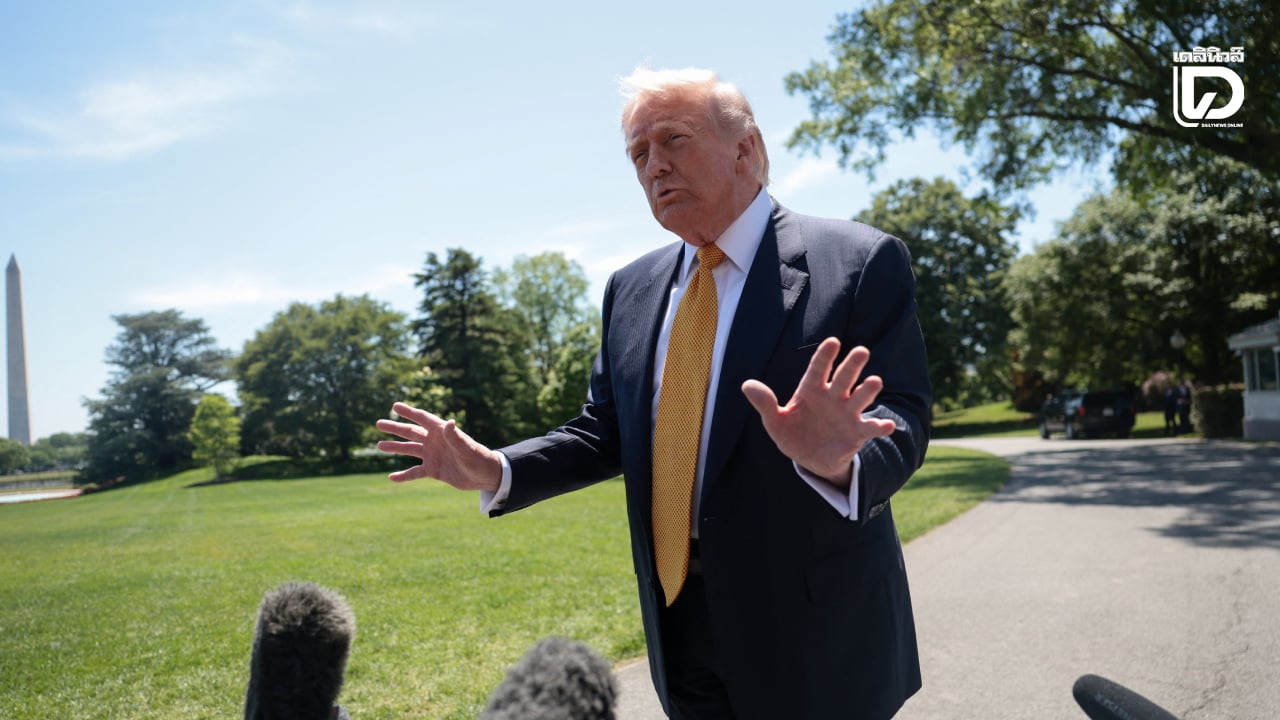
Trump Asserts Iran War Victory Without China’s Help as Beijing Summit Looms
U.S. President Donald Trump has dismissed the need for Chinese mediation in ending the ongoing conflict with Iran, insisting his administration can secure a resolution independently. As Trump prepares to meet with Chinese President Xi Jinping in Beijing this week, analysts warn the summit could reshape global power dynamics—but not on terms dictated by Beijing.
The White House has framed the upcoming talks as an opportunity to “reset” U.S.-China relations, yet Trump’s public remarks suggest a far more assertive stance. Speaking to reporters ahead of his departure, Trump emphasized that “we don’t need China’s help to end this war. We’ve been managing it ourselves and we’ll continue to do so.” His comments come as Beijing has quietly positioned itself as a potential mediator between Washington and Tehran, a role that would significantly elevate China’s influence in the Middle East.
With the Iran war now in its third month and economic pressures mounting in the U.S., Trump’s refusal to rely on Chinese diplomacy marks a strategic pivot. However, the high-stakes summit—Trump’s first visit to China since 2017—could still force concessions on trade, Taiwan, and advanced technology competition, areas where Beijing holds leverage.
Verified Context
- Summit Timing: Trump’s visit to Beijing is scheduled for May 14–16, 2026, following a brief stop in South Korea.
- Iran War Duration: The conflict entered its third month on April 13, 2026, following escalated strikes between U.S.-backed forces and Iranian proxies.
- China’s Diplomatic Role: Beijing has engaged in “quiet mediation” efforts with Pakistan, as reported by the BBC, but has not been formally invited to lead ceasefire talks.
- Economic Pressures: U.S. Inflation surged to 3.8% in April 2026, its highest level in nearly three years, according to the U.S. Bureau of Labor Statistics.
Why This Summit Matters: Trump’s Gamble on Independence
Trump’s insistence on self-sufficiency in the Iran conflict reflects a broader strategy to reduce China’s geopolitical footprint. While Beijing has historically avoided direct involvement in Middle Eastern wars, its recent overtures—including hosting talks between Pakistan and Iran—have raised concerns in Washington about encroaching influence.
“China’s mediation efforts are a calculated move to position itself as a neutral broker,” said Dr. Li Wei, a senior fellow at the Shanghai Institute of International Studies. “But the U.S. Is sending a clear signal: we don’t need your help, and we won’t cede control of this conflict to Beijing.”

Yet the summit’s agenda extends far beyond Iran. With tensions simmering over Taiwan and semiconductor trade, Trump and Xi are expected to discuss:
- Taiwan: Beijing’s military drills near the island have intensified, prompting U.S. Warnings of a potential blockade.
- Trade: The U.S. Has imposed new tariffs on Chinese tech exports, targeting advanced chips and AI infrastructure.
- Energy: China remains Iran’s largest trading partner, raising questions about Beijing’s ability to pressure Tehran.
China’s Diplomatic Chess: Can Xi Jinping Play Both Sides?
While Trump dismisses China’s mediation role, Beijing has quietly expanded its diplomatic outreach. According to a BBC report published May 13, 2026, Chinese officials have held “unofficial talks” with Iranian representatives in Oman, aiming to broker a ceasefire. However, these efforts lack Washington’s endorsement.
“Xi Jinping is walking a tightrope,” explained Dr. Sarah Kreps, director of the Cornell Institute for Security and Diplomacy. “He wants to avoid alienating the U.S. While also leveraging his economic ties to Iran. But without American buy-in, any Chinese-led peace initiative risks being seen as a hollow gesture.”
The stakes are high. If Trump’s administration succeeds in ending the Iran war independently, it would deal a blow to China’s ambitions to mediate global conflicts—a role Beijing has pursued in Ukraine and Sudan. Conversely, if the summit fails to produce tangible results, it could embolden hardliners in Tehran and deepen U.S.-China rivalry.
Economic Fallout: Inflation and the Iran Factor
U.S. Inflation hit 3.8% in April 2026, driven partly by disruptions in global oil markets following the Iran war. The Bureau of Labor Statistics reported that grocery prices rose 0.8% month-over-month, the largest increase since 2022.
China, meanwhile, faces its own economic challenges. The World Bank’s latest report warns that China’s growth could slow to 4.5% in 2026 due to trade tensions and domestic debt concerns.
What Happens Next: The Beijing Agenda
The Trump-Xi summit will include:
- Bilateral Talks: A closed-door meeting at the Great Hall of the People, focusing on Iran, Taiwan, and trade.
- State Banquet: A formal dinner at the Temple of Heaven, where emperors historically prayed for harvests—a symbolic choice given current food price concerns.
- Economic Forum: A session with U.S. And Chinese CEOs, including leaders from Intel, TSMC, and Huawei, to discuss semiconductor supply chains.
Trump’s delegation will include Vice President J.D. Vance, Treasury Secretary Janet Yellen, and National Security Advisor Jake Sullivan, reflecting the summit’s broad economic and security scope.
Key Takeaways
- Trump’s Stance: The U.S. Will not rely on China to end the Iran war, despite Beijing’s mediation attempts.
- Summit Priorities: Taiwan, trade, and technology will dominate talks, overshadowing Iran.
- Economic Pressures: Inflation and supply chain disruptions remain critical issues for both nations.
- Diplomatic Tensions: China’s role in Iran could escalate if Washington perceives it as undermining U.S. Leadership.
- Next Steps: A joint statement is expected by May 16, 2026, outlining any agreements.
Reader Q&A: What to Expect from the Summit
Q: Will China pressure Iran to end the war?
A: Unlikely in the short term. While China has economic leverage over Iran, it lacks the diplomatic clout to force Tehran into a ceasefire without U.S. Cooperation. Analysts suggest Beijing may push for a temporary pause in hostilities rather than a full resolution.

Q: How could this summit affect Taiwan?
A: Taiwan is a top priority. Trump has warned China against military action, while Xi may use the summit to test U.S. Resolve. Expect discussions on U.S. Arms sales to Taiwan and Beijing’s “peaceful unification” rhetoric.
Q: What’s at stake for the global economy?
A: A breakdown in talks could trigger new tariffs, disrupting semiconductor and energy markets. Meanwhile, the Iran war has already caused oil prices to spike 12% in May 2026, according to EIA data.
Looking Ahead: The Road to May 16
The next critical checkpoint is the joint press conference following the summit, scheduled for May 16, 2026, at 10:00 AM Beijing time (02:00 AM ET). A formal U.S.-China Joint Statement is expected to outline any agreements on trade, technology, and regional security.
For real-time updates, monitor:
As the world watches, one question looms: Can Trump deliver on his promise to end the Iran war without China—or will Beijing’s shadow grow longer in the Middle East?
What do you think? Will Trump’s defiance of China backfire, or is this a smart move to assert U.S. Leadership? Share your analysis in the comments below.
For breaking news on this story, subscribe to World Today Journal or follow us on Twitter.