
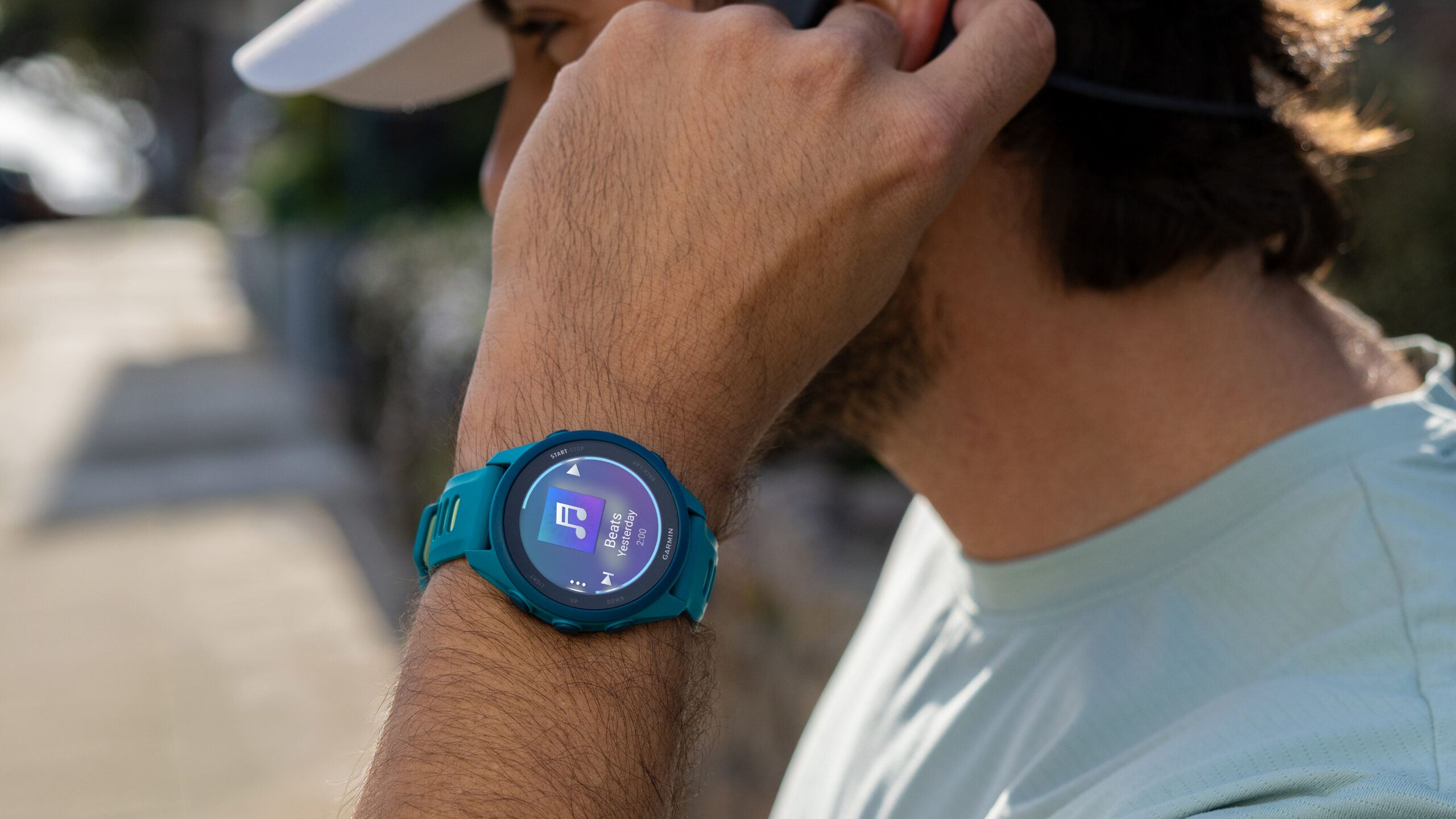
OLATHE, Kan. — Garmin has quietly reshaped the entry-level running watch market with the launch of its Forerunner 70 and Forerunner 170 models, devices that deliver what was once only available in premium training watches to a much broader audience. These new smartwatches—coming to market May 15, 2026—represent a strategic pivot for the company, offering beginner runners features previously reserved for serious athletes, all while maintaining an intuitive interface that won’t overwhelm new users.
With prices starting at $249.99 for the Forerunner 70 and reaching $349.99 for the top-tier Forerunner 170 Music edition, Garmin is effectively creating a “sweet spot” in its lineup between basic fitness trackers and high-end performance watches. The move comes as the company seeks to capture a growing segment of casual runners who want structured training guidance without the complexity of professional-grade devices.
What makes this launch particularly significant is how Garmin has packaged these advanced features. Both models incorporate vibrant 1.2-inch AMOLED displays—a technology typically found in flagship devices—and maintain the company’s signature five-button navigation system, which has become a hallmark of Garmin’s user-friendly approach. “Purposefully designed with everything a runner needs to start their running journey,” said Susan Lyman, Garmin’s Vice President of Consumer Sales and Marketing in the company’s official announcement, “these smartwatches are the perfect tools to help new and aspiring runners alike make every step count.”
Breaking Down the Features That Used to Cost More
The Forerunner 70 and 170 introduce several innovations that were previously available only in Garmin’s higher-end models like the Forerunner 965 or Forerunner 265:
- Adaptive Garmin Coach training plans: These personalized workout suggestions adjust daily based on fitness level, recovery metrics, and goals—whether preparing for a 5K or simply improving general fitness.
- Quick Workouts: A new feature that creates tailored training sessions with minimal user input, simply requiring the selection of desired duration and intensity level.
- Training Readiness metrics: Helps users understand when they’re physically prepared for workouts, reducing injury risk for new runners.
- AMOLED display technology: Provides brighter, more vibrant visuals compared to traditional LCD screens, with better visibility in various lighting conditions.
The watches also maintain essential running metrics like built-in GPS, time, distance, pace, and wrist-based heart rate monitoring—features that were previously standard across Garmin’s lineup but now packaged in a more accessible form factor.
Pricing and Model Differences
Garmin has structured its pricing to appeal to different segments of the running community:

- Forerunner 70 ($249.99): Targets absolute beginners with essential running features and basic training tools.
- Forerunner 170 ($299.99): Adds music storage (500 songs) and more advanced training metrics for those ready to progress.
- Forerunner 170 Music ($349.99): Includes all 170 features plus premium music capabilities for runners who want to listen to playlists during workouts.
These price points represent a significant value proposition when compared to Garmin’s previous offerings. For example, the Forerunner 955, which launched in 2021, started at $549.99 and included many of the same features now available in the Forerunner 70.
Why This Matters for the Running Community
The introduction of these models addresses a key gap in the market: runners who want more than a basic fitness tracker but aren’t ready for the complexity of professional training watches. As Susan Lyman noted in Garmin’s press release, these devices are specifically designed to “kick-start a running journey” by providing structure and guidance without overwhelming new users.
This democratization of advanced running technology could have several positive effects:
- Increased accessibility: More people can now access professional-grade training features without the premium price tag.
- Reduced injury risk: The adaptive training plans and readiness metrics help prevent overuse injuries common among new runners.
- Encouraged consistency: Features like quick workouts and personalized coaching make it easier for beginners to maintain regular training routines.
The watches also maintain Garmin’s reputation for durability and battery life, with both models offering up to 14 days in smartwatch mode—a significant advantage over many competitors that require daily charging.
How These Watches Compare to the Competition
While Garmin dominates the running watch market, these new models will compete with offerings from:
- Polar: Known for its running-specific features but with less intuitive interfaces for beginners.
- Coros: Offers budget-friendly options but with more limited training features.
- Apple Watch: While capable, lacks specialized running metrics that Garmin has perfected over decades.
Garmin’s advantage lies in its specialized running algorithms, which have been refined through years of working with elite athletes and training programs. The new Forerunner models bring this expertise to a broader audience.
What’s Next for Garmin’s Running Watch Lineup
With these new models hitting shelves May 15, 2026, Garmin appears to be solidifying its position as the go-to brand for runners at all levels. The company has historically refreshed its Forerunner lineup annually, so You can expect to see:

- Potential updates to training algorithms based on user data collected from these new models.
- Expansion of the Garmin Coach app with more beginner-friendly workout plans.
- Possible integration with new health metrics as wearable technology advances.
For consumers, the most immediate action is to monitor Garmin’s official website and authorized retailers for the May 15 launch. The company has indicated these watches will be available through its standard distribution channels, including major sporting goods retailers and online marketplaces.
Key Takeaways
- The Forerunner 70 and 170 bring professional running features to beginners at significantly lower prices than previous generations.
- Both models include AMOLED displays, adaptive training plans, and quick workout creation—features previously reserved for high-end watches.
- Pricing starts at $249.99 with the Forerunner 70, making advanced running technology more accessible than ever.
- Garmin maintains its reputation for durability with up to 14 days of battery life in smartwatch mode.
- The watches are designed to help prevent injuries through training readiness metrics and personalized coaching.
As running continues to grow in popularity as both a fitness activity and competitive sport, Garmin’s new models could play a significant role in helping more people get started on their running journeys—safely, effectively, and with the guidance they need to succeed.
What do you think about Garmin’s new approach to beginner running watches? Will these features help you get more out of your training? Share your thoughts in the comments below or on our social media channels.
For more details about the Forerunner 70 and 170, including full specifications and availability, visit Garmin’s official announcement: Garmin’s Forerunner 70 and 170 Press Release.