
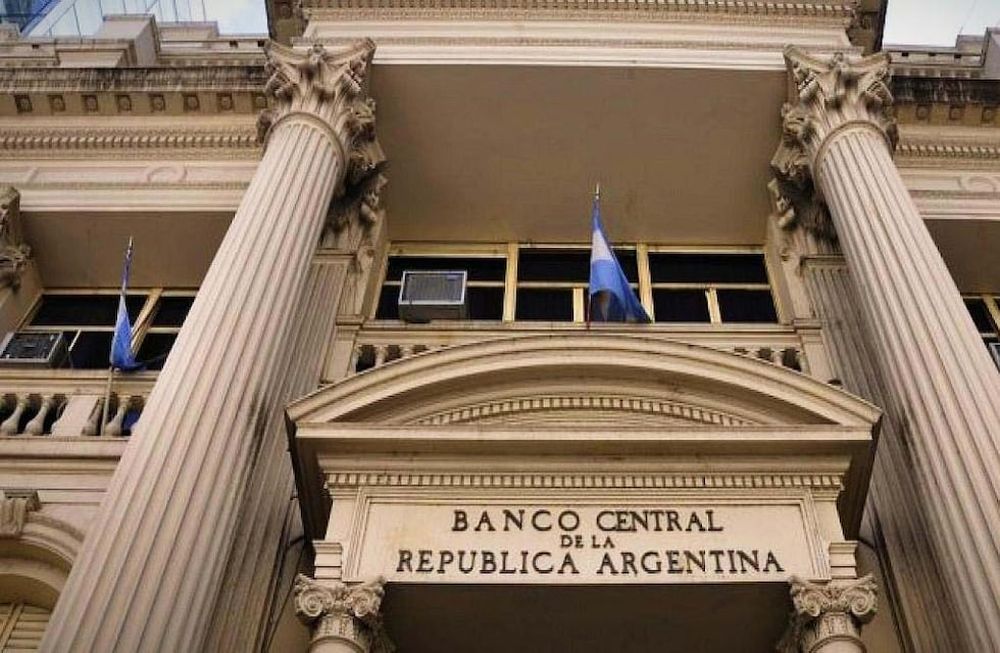
In the volatile landscape of Argentine macroeconomics, stability is often a deceptive metric. While the government and the Central Bank of Argentina (BCRA) have implemented measures to maintain a steady exchange rate, a persistent and troubling paradox has emerged: the demand for US dollars continues to surge, even when the nominal rate remains relatively flat.
This phenomenon—where exchange rate stability fails to deter the appetite for foreign currency—highlights a deep-seated lack of confidence in the local peso’s long-term purchasing power. For the Argentine public and the corporate sector alike, the dollar remains the ultimate hedge against an inflationary environment that continues to challenge the efficacy of traditional monetary controls.
As we analyze the recent surge in currency demand, it becomes clear that the drivers are not merely speculative. Instead, they are a rational response to the divergence between nominal stability and real economic value. To understand why Argentines are rushing toward the greenback despite a controlled exchange rate, one must look at the intersection of retail psychology, corporate treasury management, and the mechanics of the “cheap dollar.”
The Retail Surge: Hedging Against Inflationary Erosion
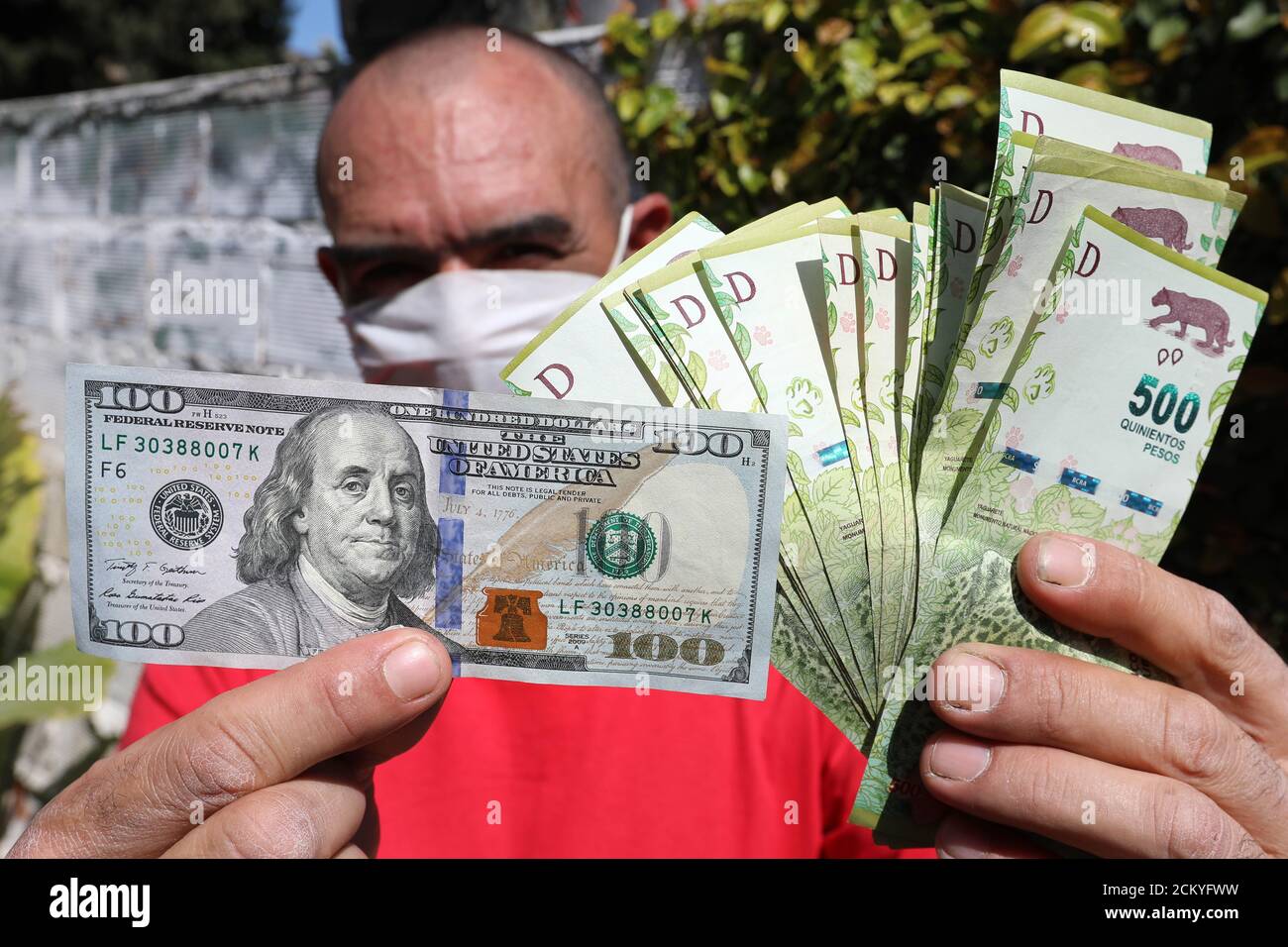
A significant portion of the recent spike in dollar demand can be traced back to individual savers and retail consumers. For many Argentines, the primary motivation for purchasing US dollars is not necessarily to speculate on a sudden devaluation, but to protect their liquid assets from the corrosive effects of inflation. When the local currency loses value rapidly, even a “stable” exchange rate can feel like a losing proposition if the cost of goods and services is rising much faster than the currency is being adjusted.
This creates a scenario often described by economists as a “cheap dollar” environment. When the inflation rate significantly outpaces the rate of currency devaluation, the real exchange rate makes the US dollar appear inexpensive in relative terms. For a household looking to preserve its savings, buying dollars at a stable, “cheap” rate is a logical defensive maneuver to prevent their purchasing power from evaporating.
Recent data indicates that this retail demand has reached significant levels. Reports suggest that savers have returned to the dollar in substantial volumes, with demand hitting levels not seen since previous periods of heightened electoral uncertainty. This influx of retail buyers puts constant pressure on the Central Bank’s reserves, as the government attempts to balance the need for stability with the reality of a massive, bottom-up demand for foreign liquidity.
Corporate Strategy: Profit Repatriation and Hedging
While retail demand captures much of the headlines, the corporate sector’s behavior provides a more complex layer to the dollar demand puzzle. Argentine companies, particularly those with multinational affiliations, are increasingly accelerating their acquisition of foreign currency. This movement is driven by two primary strategic imperatives: hedging against future volatility and the repatriation of profits.
In an environment where the future direction of the peso is perpetually debated, corporate treasurers are prioritizing liquidity in hard currencies. By converting peso-denominated earnings into US dollars, companies can mitigate the risk of sudden devaluations that could impact their balance sheets or their ability to meet international obligations. This proactive hedging is a standard response to the structural uncertainty that characterizes the Argentine market.

there is a notable trend in the “giro de utilidades”—the transfer of profits to foreign headquarters. As companies seek to optimize their global cash positions, the movement of capital out of Argentina has increased. This trend is particularly evident among major firms that are navigating the complexities of local exchange controls and seeking to ensure that their earnings are available in more stable jurisdictions. This corporate outflow adds a systemic layer of pressure to the country’s foreign exchange position, complicating the Central Bank’s efforts to build up reserves.
The Central Bank’s Balancing Act
The Central Bank of Argentina (BCRA) finds itself in a difficult position, attempting to manage a delicate equilibrium. On one hand, the government seeks to maintain exchange rate stability to provide a predictable environment for investment and to anchor inflation expectations. The persistent demand for dollars threatens to deplete the very reserves needed to defend that stability.
The BCRA must navigate the “cepo”—the complex web of exchange controls designed to limit the outflow of dollars. While these controls are intended to preserve reserves, they often inadvertently drive demand into parallel or regulated markets, creating a fragmented landscape that is difficult to monitor and regulate effectively. The central bank’s ability to anticipate and respond to these shifts in demand is critical to preventing sudden, disorderly devaluations.
The current challenge for policymakers is to move beyond mere nominal stability. To truly curb the demand for dollars, the market requires a credible, long-term plan that addresses the underlying causes of inflation and restores confidence in the peso. Without a fundamental shift in the economic outlook, the “cheap dollar” will continue to act as a magnet for both savers and corporations, regardless of how stable the official exchange rate may appear.
Key Takeaways: The Drivers of Dollar Demand
- Real vs. Nominal Rates: Stability in the nominal exchange rate can drive demand if inflation makes the dollar appear “cheap” in real terms.
- Retail Hedging: Individual savers use the dollar as a primary tool to protect purchasing power against high domestic inflation.
- Corporate Liquidity: Multinational firms are increasing dollar purchases to hedge against volatility and facilitate the repatriation of profits to headquarters.
- Reserve Pressure: The combination of retail and corporate demand creates a persistent drain on the Central Bank’s foreign exchange reserves.
- Policy Limitations: Exchange controls (the “cepo”) may manage immediate outflows but can also distort market signals and drive demand into alternative channels.
Conclusion and Outlook
The current trend in Argentina underscores a fundamental truth in emerging markets: stability without credibility is often temporary. As long as the gap between inflation and currency adjustment remains wide, the demand for US dollars will likely persist as a rational economic response to systemic risk.
Market participants will be closely watching the upcoming reports from the Central Bank of Argentina regarding reserve levels and the official demand for foreign exchange. Any shift in the management of exchange controls or changes in the inflation trajectory will be pivotal in determining whether this surge in dollar demand is a temporary peak or a long-term structural shift.
Next Scheduled Update: Investors and economists should look toward the next official release of the BCRA’s foreign exchange reserve data and the upcoming monthly inflation report to gauge the direction of the peso.
What are your thoughts on Argentina’s current currency dynamics? Does exchange rate stability matter if inflation remains high? Share your insights in the comments below and join the conversation.
Keep reading