Political Wrangling Intensifies as Buenos Aires Senate Vice Presidency Remains Unresolved
The selection of authorities for the Buenos Aires Provincial Senate is facing significant delays as internal divisions within the Peronist coalition escalate. A power struggle between Governor Axel Kicillof’s faction and those aligned with Máximo Kirchner is centering on the crucial position of First Vice President, a role that holds significant weight in the line of succession for the governorship. The impasse, now stretching over six hours past the originally scheduled start time, underscores the deep fissures within the Peronist party and the high stakes involved in controlling key positions within the provincial government. The battle for influence extends beyond the vice presidency, encompassing the leadership of the Senate’s Peronist bloc, further complicating negotiations.
Governor Kicillof is reportedly pushing for Ayelén Durán, a legislator associated with ‘El Cuervo’ Larroque, to assume the role of First Vice President. However, this move is facing strong opposition from Kirchner’s faction within La Cámpora, who view Durán’s alignment with Larroque – a figure reportedly at odds with Kirchner – as unacceptable. The situation has led to a flurry of maneuvering, with various names being floated as potential compromises, but as of late Thursday, the momentum appeared to be shifting towards Mario Ishii, a former mayor of José C. Paz, backed by the Kirchner wing of the party. This contest for the vice presidency is not merely a procedural matter; it’s a demonstration of power and a strategic positioning for future political opportunities within the province.
Ishii Gains Ground as Negotiations Stall
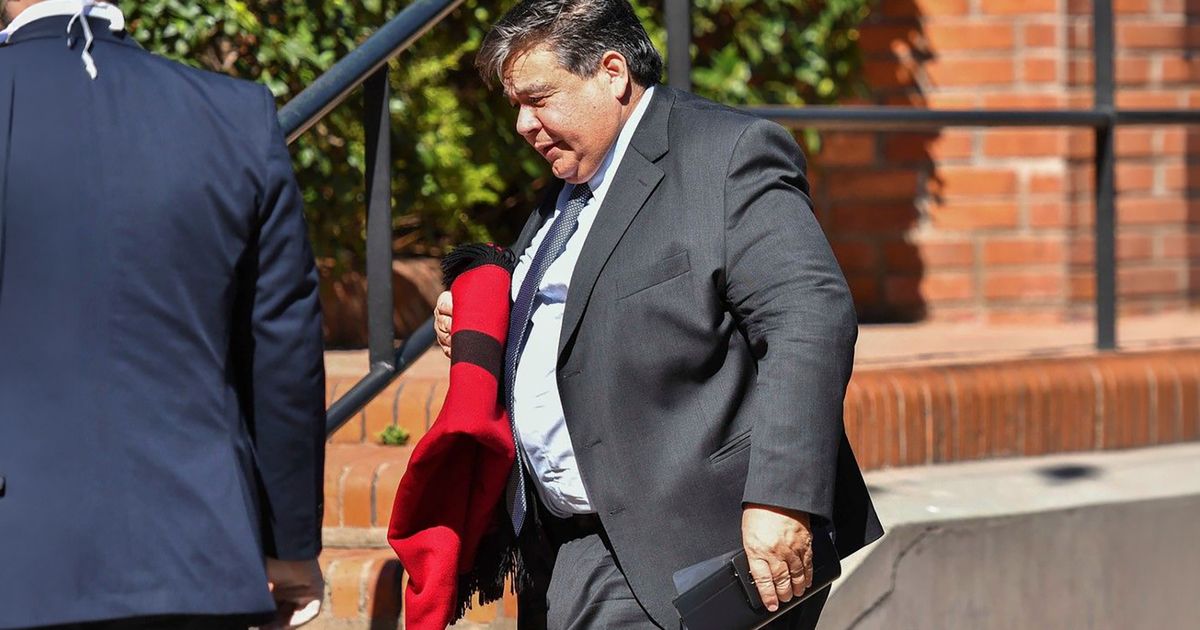
Mario Ishii, the former mayor of José C. Paz, has emerged as a strong contender for the First Vice Presidency, bolstered by the support of Kirchner’s faction. Ishii arrived at the Senate in La Plata accompanied by approximately 150 supporters, a visible display of strength intended to underscore his commitment and garner support from fellow senators. He reportedly occupied the office previously held by Teresa García, the former head of the Peronist bloc, while awaiting the outcome of the negotiations. Sources indicate that Ishii’s chances have increased, potentially relegating Durán to the Second Vice Presidency. This shift in momentum highlights the Kirchner faction’s ability to exert influence within the Senate and challenge Kicillof’s preferred candidate.
The situation is further complicated by discussions surrounding the leadership of the Unión por la Patria (Union for the Homeland) bloc, with Sergio Berni, the former Minister of Security, emerging as a leading candidate for the position. The Unión por la Patria bloc comprises 24 senators, representing a diverse range of Peronist factions and securing its leadership is crucial for maintaining a quorum and ensuring the passage of legislation. Berni’s potential appointment could signal an attempt to bridge the divides within the Peronist coalition and establish a more unified front. The ongoing negotiations reflect a pattern of last-minute bargaining that has characterized Peronist politics in Buenos Aires Province throughout 2025, demonstrating the challenges of forging consensus within a fragmented political landscape.
Borgini
A History of Internal Conflict and Shifting Alliances
The current dispute over the Senate’s leadership positions is not an isolated incident. In 2013, Ishii reportedly attempted a similar maneuver, ultimately failing to secure the vice presidency and subsequently breaking away from the Peronist bloc to form his own faction. This history underscores the potential for further fragmentation within the party if a resolution is not reached that satisfies all key stakeholders. The core of the conflict lies in the second position in the line of succession to Governor Kicillof, immediately following Lieutenant Governor Verónica Magario. This makes the First Vice Presidency a highly coveted position, encompassing not only the potential for future advancement but also influence over key Senate committees and the allocation of resources.
Prior to Ishii’s surge, Pedro Borgini, a Kicillof ally, was briefly considered as a potential replacement for Durán. However, Borgini’s candidacy faced resistance from La Cámpora due to his association with ‘El Cuervo’ Larroque, a prominent figure in Kicillof’s inner circle who is reportedly at odds with Kirchner. Germán Lago, another member of Kicillof’s Movimiento Derecho al Futuro (Right to the Future Movement), also entered the negotiations, further complicating the landscape. The possibility of a consensus candidate, such as Marcelo Feliú, has also been discussed as a way to break the deadlock, with some suggesting a temporary deferral of the First Vice Presidency decision in favor of agreeing on the leadership of the Peronist bloc and other vice presidential positions. However, such a compromise has not yet materialized.
The tension reflects Kicillof’s desire to consolidate his influence within the Senate and secure a loyal ally in a key leadership position. Conversely, the Kirchner faction seeks to maintain the existing power dynamics and ensure that the vice presidency remains in the hands of a representative aligned with their interests, echoing the arrangement in place until December 2025 when Luis Vivona held the position. The stakes are high, as the outcome of these negotiations will not only shape the leadership of the Buenos Aires Provincial Senate but also signal the balance of power within the broader Peronist movement.
Broader Implications for the Peronist Coalition
The internal struggles within the Peronist party in Buenos Aires Province extend beyond the immediate contest for Senate leadership. The formation of Kicillof’s Movimiento Derecho al Futuro in 2025 has reportedly created divisions within the coalition, with some leaders expressing concerns that the new movement could fracture the Peronist base. According to reports, seven mayors and two legislators from the Sixth Electoral Section have joined the Movimiento Derecho al Futuro, while six mayors, one senator, and three deputies have remained on the sidelines. This division highlights the challenges Kicillof faces in unifying the Peronist coalition and maintaining control over the provincial government.
The ongoing dispute over the Senate vice presidency is a microcosm of these broader tensions. The struggle between Kicillof and Kirchner reflects a deeper ideological and strategic divide within the Peronist movement, with implications for the future direction of the party. The outcome of this particular battle could set a precedent for future negotiations and influence the balance of power within the province for years to come. The situation is being closely watched by political observers, who see it as a key indicator of the Peronist party’s ability to overcome its internal divisions and present a united front in upcoming elections.
As of Friday, February 27, 2026, the session to elect Senate authorities remains unresolved. Further negotiations are expected in the coming days, with the outcome remaining uncertain. The next checkpoint will be a renewed attempt to convene the Senate session early next week, where senators will once again attempt to elect their leadership. The situation remains fluid, and the possibility of further delays or compromises cannot be ruled out. We encourage readers to share their thoughts on this developing story and engage in constructive discussion in the comments section below.