
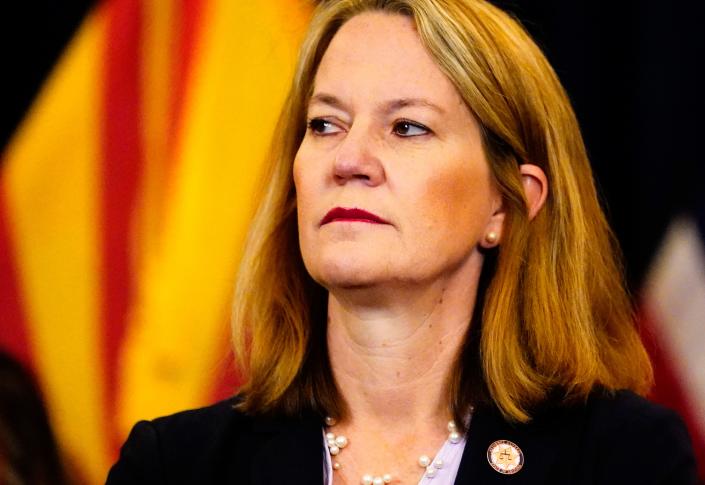
Arizona Attorney General Kris Mayes has moved to dismiss the pending criminal case involving alleged fake electors who sought to overturn the results of the 2020 presidential election in the state. The decision, filed in Maricopa County Superior Court, concludes the current iteration of the prosecution against several high-profile defendants, including former White House Chief of Staff Mark Meadows and former New York City Mayor Rudy Giuliani, though the Attorney General’s office has confirmed plans to immediately seek a new indictment from a grand jury.
This legal shift comes as prosecutors attempt to navigate procedural challenges regarding the presentation of evidence. The case, which centers on the actions of individuals who signed documents claiming to be the state’s rightful electors for Donald Trump despite Joe Biden’s victory in Arizona, has faced significant scrutiny over the last several months. According to court filings from the Maricopa County Superior Court, the state’s decision to drop the current charges is a strategic move to address specific legal arguments raised by the defense regarding the grand jury process.
Procedural Challenges and the Path to Re-indictment
The impetus for the dismissal stems from an appellate court ruling earlier this month. Defense attorneys successfully argued that the original grand jury was not provided with the full text of relevant state statutes governing how presidential election contests are certified. Under Arizona Revised Statute § 16-672, specific legal procedures must be followed to contest election results, and the defense contended that the omission of these details prejudiced the grand jury’s decision-making process.
By dismissing the case now, the Attorney General’s office avoids a looming court-imposed deadline for the commencement of new proceedings. Officials from the Arizona Attorney General’s Office have indicated that they intend to present the case to a new grand jury, aiming to secure an indictment that is more resilient to the procedural challenges that stalled the initial effort. This process is expected to move forward in the coming weeks as prosecutors look to refine their presentation of the statutory requirements.
Broader Context of Fake Elector Prosecutions
The Arizona case is part of a broader national effort by state-level prosecutors to hold individuals accountable for their roles in the 2020 post-election period. The legal landscape has been characterized by varying outcomes across the country. In Nevada, for example, a case was initially dismissed in 2024 after a judge ruled that Clark County was the improper venue for the charges; however, the state attorney general subsequently refiled the case in Carson City, as reported by the Nevada Secretary of State’s office.
Similar cases have seen different results in other jurisdictions. In Georgia, legal challenges have complicated the progress of state-level investigations, while in Michigan, some charges were dismissed by lower courts. Additionally, a federal case led by a special prosecutor, which charged Donald Trump with conspiring to overturn the 2020 election, was dropped in late 2024 following the conclusion of the presidential election cycle. These developments highlight the complex interplay between state election laws and the criminal justice system in the United States.
Legal Precedents and What Happens Next
The central question in the Arizona case remains whether the actions of the “fake electors” constituted a violation of state law, specifically regarding forgery or conspiracy to interfere with election certification. The defense maintains that their clients were acting in a protective capacity, intended to preserve the option for a legal challenge should the election results be overturned in court. Prosecutors, conversely, argue these actions were a coordinated attempt to subvert the established democratic process.
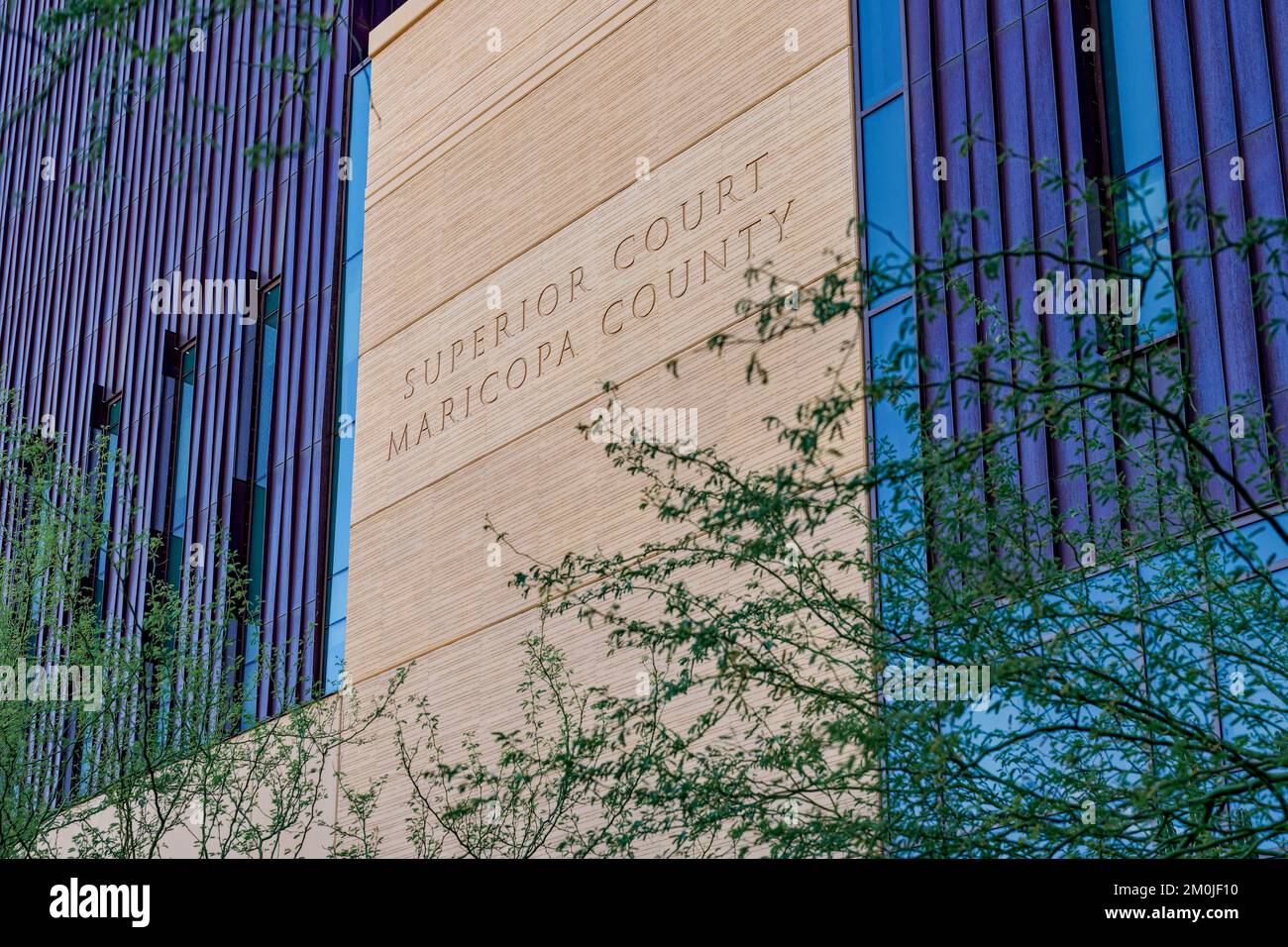
As the case moves toward a potential new indictment, the primary focus will be on the grand jury proceedings. If a new indictment is secured, the defendants will be arraigned, and the discovery phase of the trial will begin. For the public and stakeholders, official updates regarding the status of the case will be available through the Maricopa County Superior Court’s online docket system, which provides records on filings, hearing dates, and court orders.
The next major checkpoint in this matter will be the impaneling of a new grand jury and the subsequent presentation of evidence by the Attorney General’s office. There is no set date for when these new proceedings will conclude, but the state has signaled its intent to maintain the case. We will continue to monitor the court docket for further developments. Readers are encouraged to share their thoughts on the legal implications of these proceedings in the comments section below.
Worth a look