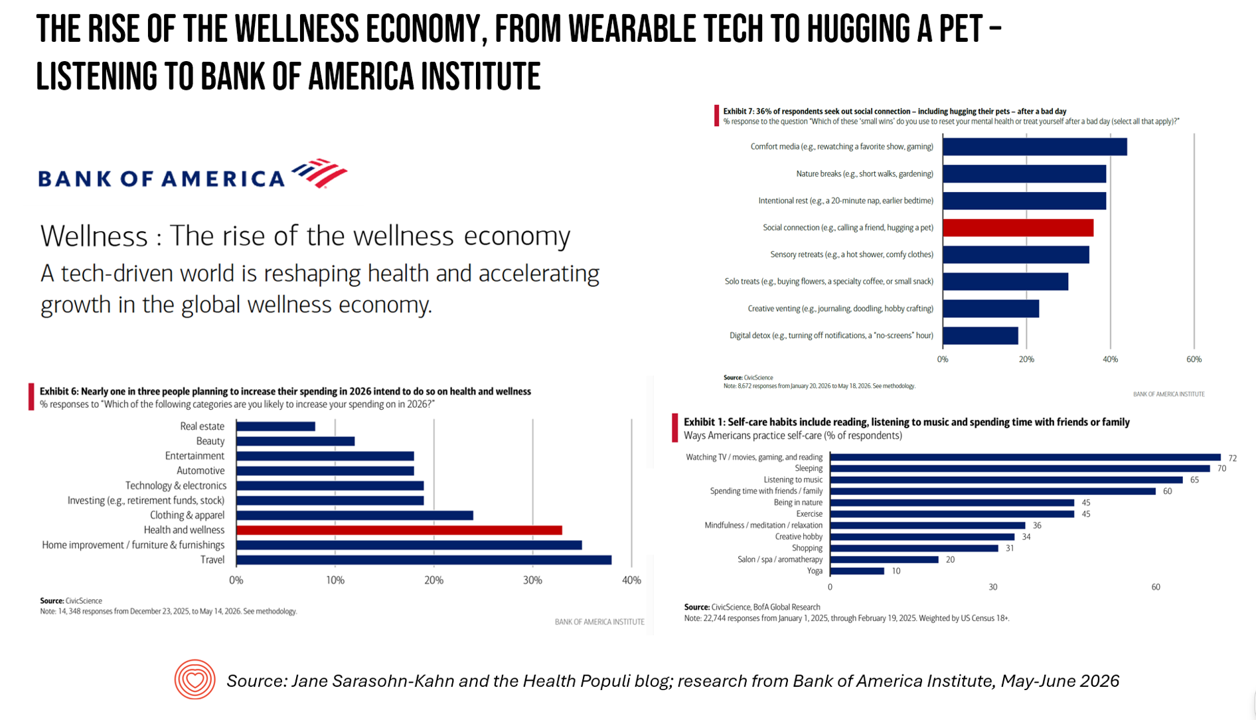
The global wellness economy is undergoing a significant transformation as consumers increasingly integrate health-focused expenditures into their daily lives, driven by a desire for personal longevity and improved health literacy. According to recent market analysis, the U.S. wellness sector is valued at approximately $2 trillion, reflecting a shift toward retail health where individuals are taking greater agency over their medical and well-being outcomes through both technology and lifestyle adjustments.
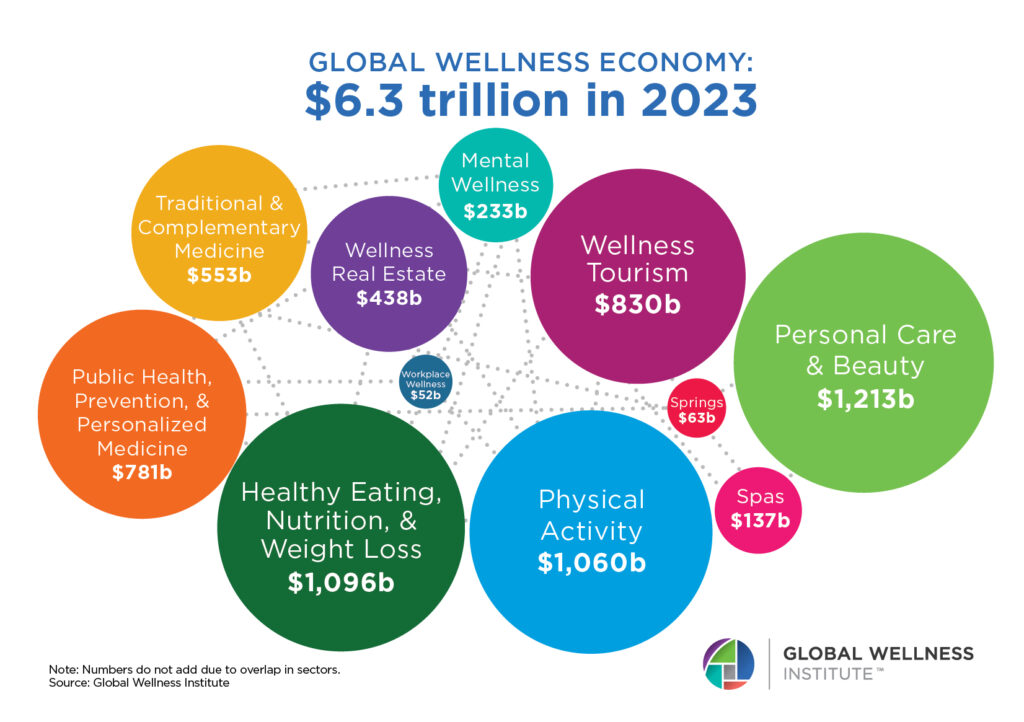
This surge in personal health investment is evidenced by data from the Global Wellness Institute, which tracks the expansive reach of an industry encompassing physical activity, healthy eating, and preventive care. As consumers allocate more of their personal budgets to these categories, the lines between traditional medical care and elective wellness continue to blur, creating a complex, multi-layered retail health ecosystem that extends far beyond the walls of licensed healthcare facilities.
The Role of Wearable Technology in Modern Self-Care
Technological advancement is a primary driver in the current wellness expansion, with wearable devices serving as the backbone for remote monitoring and data-driven health management. Consumers are increasingly utilizing smart watches, sleep trackers, and specialized medical-grade wearables to monitor chronic conditions or track behavioral health metrics in real-time. This trend is supported by data from the American Hospital Association, which notes the increasing integration of remote patient monitoring tools into standard care pathways to improve outcomes for patients with hypertension, diabetes, and other long-term health concerns.

While many of these devices are purchased out-of-pocket, the regulatory landscape is shifting to accommodate this demand. The U.S. Food and Drug Administration (FDA) continues to clear a growing number of digital health tools and mobile medical applications, providing a pathway for insurance payors to offer reimbursement for evidence-based digital interventions. This formalization of digital health helps bridge the gap between casual fitness tracking and clinical-grade medical management, allowing for personalized care that occurs outside of a traditional doctor’s office.
Social Connection and the Rise of Pet Parenting
Mental health and social connectivity remain central pillars of the modern wellness movement. Researchers have long established the link between social isolation and adverse health outcomes, leading to a renewed focus on community-building and interpersonal interaction as essential components of self-care. The National Institute on Aging has documented that individuals with strong social connections generally have a lower risk of premature death and improved cognitive function, further cementing social wellness as a public health priority.

Within this context, pet ownership has emerged as a significant, though often overlooked, factor in the wellness economy. According to the American Pet Products Association, pet ownership in the United States has reached record levels, with approximately 66% of households now owning at least one pet. The role of animals in reducing stress and providing consistent social support has transformed the pet industry into a key segment of the broader wellness market. As the demographic of “pet parents” expands, the financial investment in animal health and nutrition has grown proportionally, reflecting a broader cultural shift that views the human-animal bond as an integral part of a healthy, balanced lifestyle.
The Evolution of Retail Health Destinations
The traditional retail environment is rapidly evolving to serve as a hub for health and wellness services. Grocery stores and pharmacies are increasingly expanding their footprints to include clinical counseling, vaccinations, and basic diagnostic screenings, effectively decentralizing care delivery. The Centers for Disease Control and Prevention (CDC) provides guidelines for these retail-based services, emphasizing their role in improving public health access, particularly for immunizations and preventative health screenings.

This trend is mirrored in the beauty and hospitality sectors, where companies are pivoting toward “cosmeceuticals”—products that blend cosmetic benefits with medical-grade ingredients—and medical tourism. As consumers demand more transparency and efficacy in their self-care products, companies are leveraging artificial intelligence and data analytics to offer tailored health recommendations. This transition from passive consumerism to active, data-informed self-management suggests that the wellness economy will continue to grow as a disproportionate share of total household spending, particularly as retail health becomes more accessible and integrated into daily routines.
Future Outlook for the Wellness Sector
As the wellness economy continues to mature, stakeholders—including government regulators, healthcare providers, and technology firms—are focused on standardizing the quality of services and products available to the public. The Federal Trade Commission (FTC) maintains oversight regarding health claims made by commercial entities, ensuring that the surge in wellness products is balanced by consumer protection and scientific integrity. Future developments in this space are expected to center on the interoperability of health data, ensuring that information collected by wearable devices can be securely shared with clinical teams to enhance patient outcomes.
For those tracking these changes, official updates regarding the integration of digital health and retail clinics are regularly published by the U.S. Department of Health and Human Services. As the boundaries between medical care and lifestyle wellness continue to shift, the emphasis on evidence-based practices will remain the primary benchmark for industry growth and consumer trust. We invite readers to share their thoughts on how these technological and social changes are influencing their own health habits in the comments section below.
Worth a look
- How Much Coffee Is Unhealthy? New Studies Reveal the Truth About Caffeine, Blood Pressure, and Heart Health
- US Patents Secured for Hair Enzyme Booster and Photocell to Target Hair Loss Treatment Market
- Carla Da Silva Valente Profile and Insights (newsdirectory3.com)
- David R. Montgomery ReGen Book Explores Farming Food and Health Future (news-usa.today)