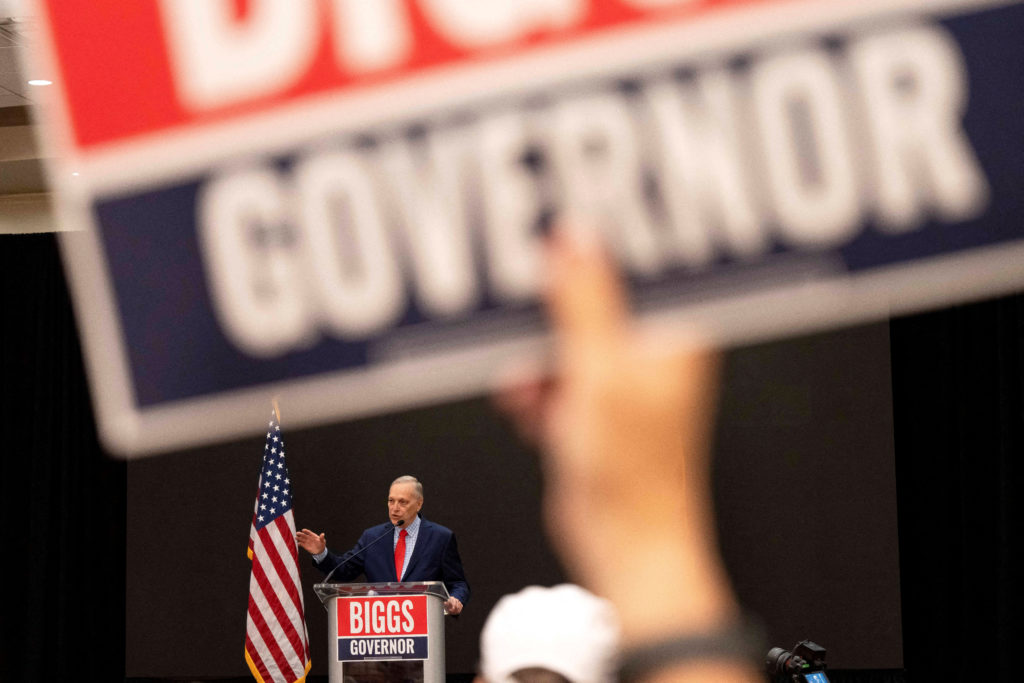
Arizona Republicans are voting in a state primary to select a nominee who will challenge Democratic Governor Katie Hobbs in the November general election. The primary serves as the critical winnowing process for the GOP, determining which candidate will lead the party’s effort to reclaim the governor’s office in a state that has become a central battleground for national political trends.
The contest centers on the ability of the Republican nominee to consolidate a diverse coalition of conservative voters and mobilize a base that has seen significant internal divisions over election integrity and candidate loyalty. According to the Arizona Secretary of State, the primary process is the official mechanism for parties to certify their candidates for the general election ballot.
Governor Katie Hobbs, who assumed office in January 2023, has focused her administration on education and election security. The upcoming Republican nominee will seek to contrast their vision for the state’s economy and border security against the current administration’s record. This primary is not merely a local affair; it is viewed by national strategists as a bellwether for the broader political climate heading into the November midterms.
Republican Strategy and the Challenge to Katie Hobbs
The Republican primary is designed to produce a candidate capable of defeating Governor Hobbs in a state where margins of victory are often razor-thin. Republican candidates are focusing their platforms on fiscal conservatism and critiques of the Hobbs administration’s handling of the U.S.-Mexico border. These themes are intended to energize the GOP base while appealing to independent voters in Maricopa County, the state’s most populous region and a decisive factor in statewide races.
According to reporting from the Associated Press, the GOP is prioritizing candidates who can bridge the gap between traditional institutional Republicans and the more populist wing of the party. The tension within the party often manifests in debates over “election integrity,” a topic that has dominated Arizona politics since the 2020 presidential election. The nominee must navigate these internal frictions to avoid a fragmented electorate in November.
Governor Hobbs has maintained a defensive but active posture, utilizing her executive powers to implement policy changes in education and public safety. The Republican nominee will likely target these specific policy areas, arguing that the state requires a shift back to a conservative approach to governance to address inflation and public safety concerns.
The Impact of Maricopa County on Primary Outcomes
Maricopa County remains the epicenter of Arizona’s political struggle. Because of its massive population, the primary results in this county often dictate the viability of a candidate on the statewide stage. Candidates are spending significant resources on grassroots organizing and digital advertising targeted at the suburban voters of Phoenix and its surrounding cities.
The primary results will indicate whether the GOP is moving toward a more moderate “big tent” approach or doubling down on the ideological purity tests that have characterized recent primary cycles. Analysis of previous election data from the Arizona Elections Division shows that candidates who can maintain high turnout in rural counties while remaining competitive in Maricopa have the strongest path to victory.
Voters are weighing the candidates’ records on state spending and their ability to work with a potentially divided legislature. The primary serves as a test of which message—aggressive opposition to the current governor or a focused policy alternative—resonates more effectively with the Republican electorate.
What Happens After the Primary Results
Once the primary votes are tallied and certified by the Secretary of State, the winning Republican candidate will move into the general election phase. This transition involves a shift from appealing to the most ideological members of the party to courting a broader, more general audience. The general election will take place in November, where the nominee will face Governor Hobbs in a head-to-head contest.
The period between the primary and the general election is typically characterized by a surge in campaign spending and a focus on “get out the vote” (GOTV) operations. Both the Republican nominee and the Democratic incumbent will likely focus their efforts on undecided voters and the mobilization of their respective bases.
The outcome of this race will have implications beyond Arizona’s borders. As a key swing state, Arizona’s gubernatorial result is often used by political analysts to gauge the national mood regarding the Democratic party’s governance and the Republican party’s ability to regain power in the Sun Belt.
The next confirmed checkpoint is the official certification of the primary results by the Arizona Secretary of State’s office, which will formally establish the Republican nominee for the November general election.
We encourage readers to share this report and leave their comments below regarding the developments in the Arizona primaries.
Related reading