
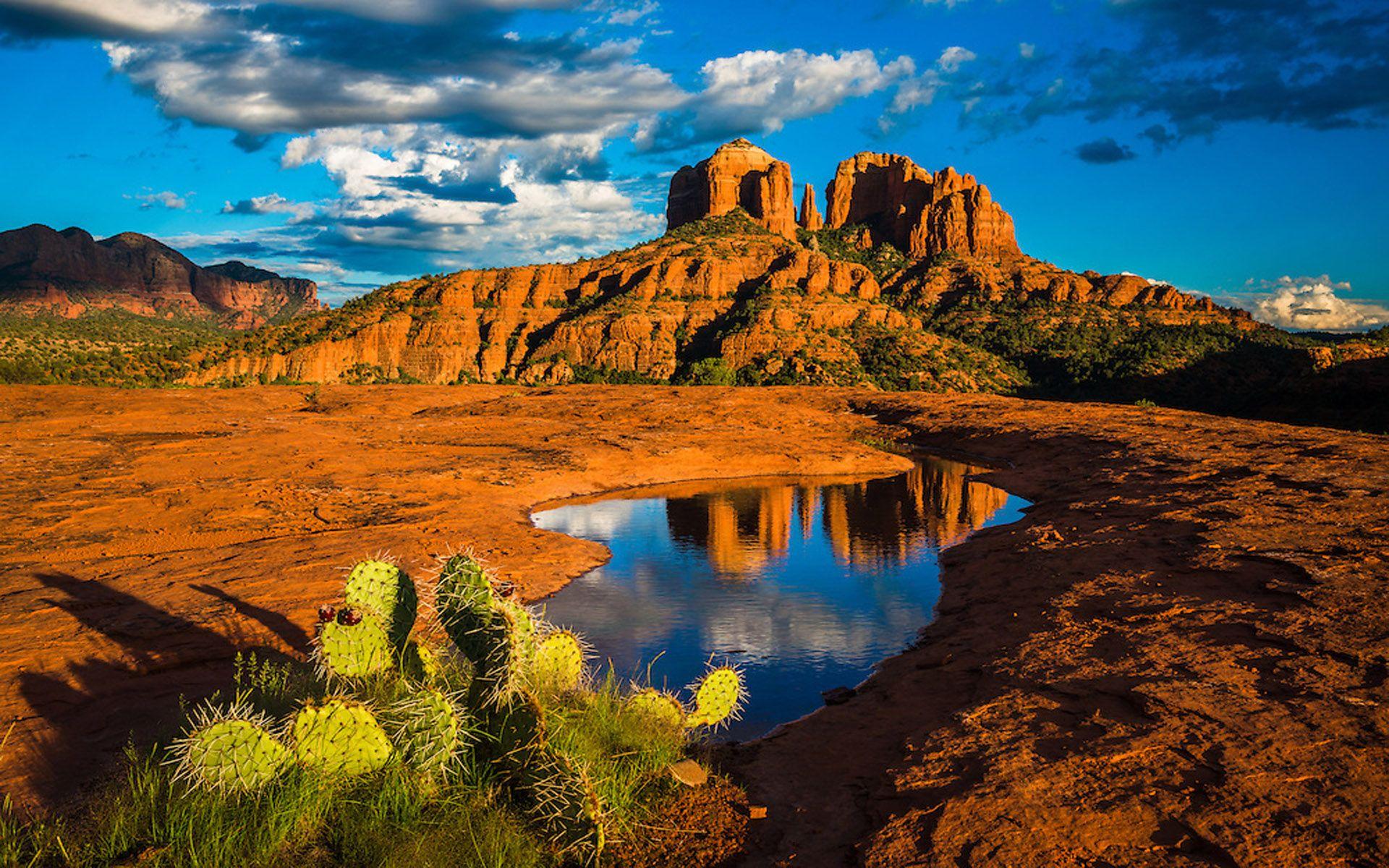
Planning an Arizona road trip in 2026 requires prioritizing National Park reservations and understanding significant seasonal shifts in temperature and accessibility. Travelers can explore iconic landmarks including the Grand Canyon, Sedona’s red rock formations, and Monument Valley through a series of interconnected scenic routes that span the state’s diverse desert and mountain landscapes.
Arizona remains a primary destination for American Southwest travel due to its concentrated density of geological wonders and protected lands. For those organizing a journey in 2026, the state offers a variety of distinct environments, ranging from the high-altitude pine forests of Flagstaff to the arid Sonoran Desert surrounding Tucson. Successful navigation of these regions depends on strategic planning regarding vehicle preparation, permit acquisition, and seasonal timing.
Which National Parks Should Be Included in an Arizona Road Trip?
The National Park Service (NPS) manages several of the state’s most significant landmarks, which serve as the primary anchors for most driving itineraries. The Grand Canyon National Park is the most visited, offering two distinct areas: the South Rim and the North Rim. According to the National Park Service, the South Rim is open year-round and provides the most extensive infrastructure, including visitor centers and lodging. In contrast, the North Rim is more remote and is typically closed during the winter months due to heavy snow, generally reopening in mid-May.
For travelers interested in desert ecology, Saguaro National Park provides access to the iconic giant cacti that define the Sonoran Desert. The park is divided into two separate districts: the Tucson Mountain District and the Rincon Mountain District. The Tucson Mountain District is often preferred for sunset views and easier access to various hiking trails, while the Rincon Mountain District offers higher elevation and different flora. Visitors can explore both districts, though they are separated by approximately 45 miles of urban Tucson area.

The Petrified Forest National Park and the adjacent Painted Desert offer a look into prehistoric eras through fossilized wood and colorful sedimentary layers. Located in northeastern Arizona, this park is relatively compact, making it an efficient stop for those driving between the Grand Canyon and the New Mexico border. The park’s landscape is characterized by ancient petrified logs and vast, multi-colored badlands.
While not a National Park, the area around Page, Arizona, contains two of the most photographed locations in the state: Antelope Canyon and Horseshoe Bend. Antelope Canyon, located on Navajo Nation land, is a slot canyon system that requires a guided tour for entry. Travelers must book these tours well in advance, as daily capacity is strictly regulated by Navajo Nation authorities. Nearby, Horseshoe Bend offers a steep but short descent to a viewpoint overlooking a dramatic U-shaped turn in the Colorado River.
What Are the Most Scenic Driving Routes in Arizona?
Arizona’s highway system includes several routes that are designed for sightseeing rather than mere transit. Route 66, often called the “Mother Road,” remains a significant cultural and historical corridor. Driving through segments of Route 66 in towns like Seligman and Kingman allows travelers to experience mid-century Americana, preserved neon signs, and classic roadside architecture. While much of the original highway has been superseded by Interstate 40, the remaining sections provide a slower-paced historical experience.
The drive through Oak Creek Canyon offers a dramatic transition between the high plateau of Flagstaff and the red rocks of Sedona. This winding route follows the Oak Creek waterway and features steep canyon walls and lush vegetation. It is considered one of the most scenic drives in the Southwest, particularly during the autumn months when the deciduous trees change color. However, drivers should exercise caution regarding the narrow lanes and sharp curves characteristic of this canyon road.

Desert View Drive provides a scenic loop within the Grand Canyon National Park. This 25-mile stretch connects the Grand Canyon Village to the Desert View Watchtower. The route offers multiple pull-outs with expansive vistas of the canyon’s eastern reaches and the Colorado River below. Because this drive is located within park boundaries, it is an essential component for those staying at the South Rim.
For those heading toward the Monument Valley Navajo Tribal Park, the drive involves traversing vast stretches of high desert. The landscape is dominated by massive sandstone buttes that rise abruptly from the valley floor. This route is best experienced during the “golden hours” of sunrise or sunset, when the light emphasizes the deep reds and oranges of the rock formations. Travelers should be aware that Monument Valley is located on Navajo Nation land, and specific tribal regulations apply to photography and access.
Where Can Travelers Find Hidden Gems and Local Adventures?
Beyond the major national parks, Arizona contains several smaller towns and regions that offer unique cultural and historical experiences. Jerome, a former copper mining town perched on the side of Cleopatra Hill, is often described as a “ghost town” that has transitioned into an artist colony. The town’s steep terrain and historic architecture provide a distinct atmosphere compared to the more commercialized tourist hubs.
In southern Arizona, Bisbee offers a different historical perspective. Once a booming mining center, Bisbee has evolved into a community known for its arts scene and unique topography. The town is built into steep hillsides, featuring narrow streets and historic buildings that reflect its late 19th and early 20th-century origins. It serves as a gateway to the Chiricahua National Monument, which features unique rock formations known as “hoodoos.”

The Mogollon Rim represents the massive geological escarpment that marks the edge of the Colorado Plateau. This area provides a significant shift in climate and landscape, moving from desert lowlands into high-altitude forests. The rim offers extensive opportunities for hiking, mountain biking, and camping, serving as a major recreational area for those looking to escape the desert heat.
For more rugged adventures, the Havasupai Reservation is home to Havasu Falls. Accessing these turquoise waters requires a multi-day hike into the canyon and, most importantly, a highly sought-after permit from the Havasupai Tribe. These permits are issued through a lottery system and are extremely limited, requiring travelers to plan months or even a year in advance.
How Should You Plan Your 2026 Arizona Road Trip Logistics?
Effective logistics are critical for safety and cost management when traveling through the Southwest. One of the most practical ways to manage park entry fees is by purchasing the “America the Beautiful” National Parks Pass. This annual pass costs $80 and provides access to more than 2,000 federal recreation sites across the United States, including all the major Arizona national parks. For travelers visiting three or more parks, the pass typically pays for itself in savings.
Weather considerations are paramount in Arizona. The state experiences extreme temperature fluctuations. Spring (March to May) and Fall (September to November) are widely considered the optimal times for road trips, as temperatures are moderate and the landscape is more accessible. Summer months often see temperatures exceeding 100°F (38°C) in the desert regions, which can pose health risks such as heat exhaustion. Conversely, winter in high-altitude areas like Flagstaff or the Grand Canyon North Rim can involve heavy snow and freezing temperatures, requiring appropriate vehicle equipment.
Vehicle preparation is a non-negotiable aspect of desert travel. Long stretches of highway in Arizona often have limited services, including gas stations and cell service. It is recommended that travelers maintain a full tank of fuel, carry extra water (at least one gallon per person per day), and ensure their vehicle’s cooling system and tires are in peak condition. In remote areas, GPS devices or physical maps are essential, as cellular connectivity can be unreliable.
Regarding permits and reservations, the trend toward digital booking is expected to continue into 2026. Many popular sites, including certain trails in Zion or specific areas within the Grand Canyon, may require advanced timed-entry reservations. Travelers should consult the official National Park Service website or individual tribal websites for the most current reservation requirements before departure.
Frequently Asked Questions
What is the best time of year to visit Arizona?
The most temperate months are spring (March to May) and autumn (September to November). These seasons avoid the extreme heat of the summer and the heavy snow of the high-altitude winter.
Do I need a 4×4 vehicle for an Arizona road trip?
Most major scenic routes and national park roads are paved and accessible by standard passenger vehicles. However, a 4×4 or high-clearance vehicle may be necessary for specific off-road trails, reaching certain remote camping sites, or navigating unpaved roads in tribal lands.
How much does it cost to visit the National Parks in Arizona?
Individual park entrance fees typically range from $30 to $35 per vehicle. Purchasing the $80 “America the Beautiful” pass is more cost-effective for travelers visiting multiple parks.
Is cell service reliable throughout the state?
No. While major cities and highway corridors have good coverage, many remote areas—particularly within national parks, canyons, and tribal lands—have little to no cellular service. Offline maps should be downloaded prior to travel.
Are guided tours required for Antelope Canyon?
Yes. Antelope Canyon is located on Navajo Nation land, and all visitors must be accompanied by a permitted Navajo guide to enter the canyon.
The National Park Service typically updates its seasonal operating hours and reservation protocols in late autumn for the following year. Travelers planning for 2026 should check for official updates regarding timed-entry systems and permit lottery dates in late 2025.
Did you find this guide helpful? Please share it with your fellow travelers and leave a comment below with your favorite Arizona destinations.