
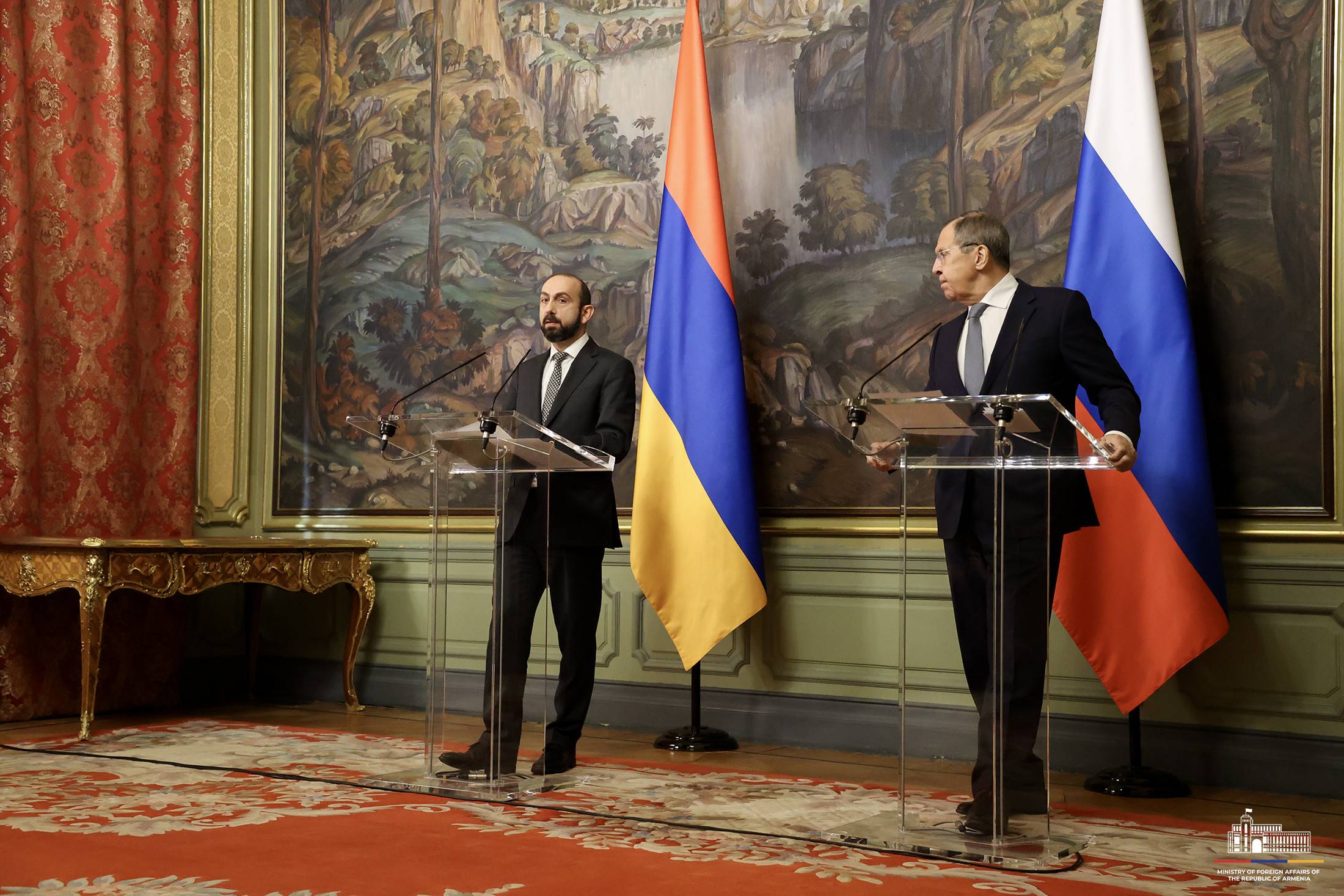
Armenian Journalists Expose Russian Influence Campaign Targeting Local Media
Armenian investigative journalists have exposed a sophisticated Russian-backed influence campaign designed to manipulate public opinion in Armenia by infiltrating and controlling local media outlets. The operation, revealed through leaked internal documents and communications, demonstrates how Russian state-affiliated actors have systematically sought to amplify pro-Moscow narratives while suppressing critical voices in Armenia’s media landscape.
According to investigative reporting published by multiple independent outlets, the campaign involved coordinated disinformation efforts, financial incentives for favorable coverage, and the creation of fake news networks to undermine Armenia’s democratic institutions. The revelations come at a critical juncture as Armenia navigates complex geopolitical pressures between Russia and Western allies.
While Russian officials have not publicly commented on the allegations, the exposed operation aligns with broader patterns of Russian influence activities documented across Eastern Europe and the Caucasus. The Armenian case represents one of the most detailed exposures of such tactics within the South Caucasus region.
How the Influence Campaign Operated: Key Findings
Documented evidence reveals three primary operational methods employed by the Russian influence network:

- Media Infiltration: Russian operatives established ties with Armenian journalists and editors, offering financial support in exchange for favorable coverage of Russian foreign policy positions, particularly regarding Armenia’s relations with NATO and the EU.
- Disinformation Networks: Fake news websites were created with Russian funding, publishing content designed to sow division between Armenia and its neighbors, particularly Azerbaijan and Turkey.
- Coordinated Narratives: A network of social media accounts amplified pro-Russian messaging while suppressing reports critical of Moscow’s actions in Ukraine and the Nagorno-Karabakh conflict.
According to Radio Free Europe/Radio Liberty, internal communications obtained by investigative journalists show that Russian operatives maintained direct contact with Armenian media figures, offering “consulting fees” and “research grants” in exchange for specific editorial lines.
The exposed documents also reveal attempts to influence Armenia’s domestic political discourse by promoting narratives that:
- Framed Armenia’s Western integration as a threat to national security
- Portrayed Russian military support as essential for Armenia’s defense
- Discouraged public support for sanctions against Russia
Who Was Targeted? The Media Landscape Under Pressure
The campaign specifically targeted:
- Independent News Outlets: Investigative journalism organizations that had previously exposed corruption in Armenia’s government and military
- Pro-Western Media: Publications with critical coverage of Russia’s actions in Ukraine
- Regional Broadcasters: Television stations that aired content critical of Russian foreign policy
According to International Crisis Group, Armenia’s media environment has been under increasing pressure since the 2020 Nagorno-Karabakh war, with both government and external actors seeking to control the narrative. The newly exposed Russian influence campaign represents an escalation of these efforts.
One particularly revealing document obtained by journalists shows a meeting between Russian intelligence officers and Armenian media executives in Moscow in 2022. The minutes of this meeting, obtained through a whistleblower, detail specific requests for coverage, including:
- Downplaying Armenia’s participation in Western military exercises
- Highlighting alleged Western support for Armenian separatist movements
- Promoting narratives about Russian-Armenian “brotherly ties”
Why This Matters: Geopolitical Context
The exposure of this influence campaign occurs against the backdrop of Armenia’s increasingly complex foreign policy position. Since the 2020 Nagorno-Karabakh war, Armenia has sought to balance its traditional alliance with Russia against growing economic and security ties with Western nations, particularly the United States and European Union.

Key factors that make this influence campaign significant:
- Armenia’s Strategic Position: Located between Russia and Turkey, Armenia serves as a critical node in regional geopolitics, making it a prime target for foreign influence operations.
- Media Freedom Decline: Armenia has seen a steady erosion of press freedom in recent years, with multiple journalists facing harassment and legal pressure. The Russian campaign exacerbates these challenges.
- Western Concerns: The U.S. and EU have expressed growing alarm about Russian influence operations in the South Caucasus, viewing them as part of a broader effort to undermine democratic institutions in post-Soviet states.
In a statement to Reuters, the Russian Foreign Ministry dismissed the allegations as “groundless attempts to discredit Russian-Armenian relations,” calling them part of a “Western information war” against Russia.
What Happens Next? Potential Consequences
While Armenian authorities have not yet formally responded to the revelations, several developments could emerge:

- Government Investigation: Armenian authorities may launch an official inquiry into the allegations, potentially leading to legal consequences for those involved in the influence campaign.
- Media Reforms: The revelations could pressure Armenian leaders to implement media reforms aimed at increasing transparency and reducing foreign influence in the country’s news ecosystem.
- International Response: Western governments may use the revelations to strengthen their arguments about Russian interference in the region, potentially leading to new sanctions or diplomatic measures.
- Public Backlash: Armenian civil society organizations have already begun calling for greater media independence, with protests planned for next week in Yerevan.
The next critical checkpoint will be Armenia’s National Assembly session on November 28, where lawmakers are expected to discuss the implications of the exposed influence campaign. The Armenian government has not yet indicated whether it will address the allegations during this session.
How to Verify the Claims: Key Documents and Sources
For readers seeking to verify the claims made in this report, several key documents and sources provide authoritative evidence:
- Radio Free Europe/Radio Liberty’s investigation includes excerpts from internal communications between Russian operatives and Armenian media figures.
- Euractiv’s reporting provides analysis of the campaign’s geopolitical implications.
- International Crisis Group’s media freedom report offers context on Armenia’s broader media environment.
- The OSCE’s media freedom assessments document the declining state of press freedom in Armenia over the past decade.
Key Takeaways: Understanding the Implications
- The exposed influence campaign represents one of the most detailed cases of Russian media manipulation in the South Caucasus region.
- Russian operatives used a combination of financial incentives, disinformation networks, and direct coordination with Armenian media figures.
- The campaign targeted both independent outlets and pro-Western voices, seeking to shape Armenia’s foreign policy narrative.
- Armenia’s strategic position between Russia and the West makes it particularly vulnerable to such influence operations.
- The revelations come at a time when Armenia is seeking to balance its traditional alliance with Russia against growing economic ties with the West.
As the story develops, readers are encouraged to follow official statements from Armenian authorities and international organizations monitoring media freedom in the region. The next critical updates will likely come from Armenia’s National Assembly and potential investigations by Armenian law enforcement agencies.
For those interested in tracking this story, we recommend monitoring:
- The OSCE’s media freedom reports for ongoing assessments
- Radio Free Europe/Radio Liberty’s coverage of Armenian media developments
- Statements from the European Court of Human Rights regarding press freedom cases in Armenia
We welcome your insights and additional verified information about this developing story in the comments below. If you have firsthand knowledge or additional documents related to this influence campaign, please contact our editorial team through our secure submission form.